The Three Categories of Water Damage Property Owners Should Know

Water damage can happen after a burst pipe, appliance leak, sewer backup, heavy rain, or flood. The source of the water plays an important role in how the property should be cleaned and restored.
Restoration professionals commonly divide water damage into three categories based on the amount of contamination in the water. These categories help determine what safety steps, cleaning methods, and material removal may be needed.
Understanding the category of water damage can also help homeowners, landlords, and business owners make safer decisions while waiting for a professional inspection.
Why Water Damage Categories Matter
Water that comes from a clean supply line is very different from water that comes from a sewer backup or outdoor flood. The more contaminated the water is, the greater the risk to people, pets, belongings, and building materials.
The category may affect:
- The protective equipment technicians use
- Which materials can be cleaned
- Which materials need to be removed
- Whether disinfectants are required
- How the water is extracted and disposed of
- Whether the area should remain occupied
The category may also change over time. Water that begins as Category 1 can become more contaminated after sitting for a long period or after contacting dirt, chemicals, flooring, or other damaged materials.
Category 1 Water Damage
Category 1 water comes from a source that does not contain a high level of contamination at the time of release. It is sometimes called clean water.
Common Sources of Category 1 Water
- Broken water supply lines
- Overflowing sinks or tubs without contamination
- Leaking faucets
- Water heater leaks
- Rainwater that has not contacted contaminated surfaces
- Melting ice or snow under limited conditions
Category 1 water may have a lower contamination risk, but it can still cause major property damage. Drywall, insulation, wood, flooring, cabinets, and furniture may absorb water quickly.
Fast water removal and drying may allow more materials to be saved. However, property owners should still watch for electrical hazards, slippery surfaces, hidden moisture, and damage behind walls.
Can Category 1 Materials Be Saved?
Many materials affected by Category 1 water may be cleaned and dried if restoration begins quickly. The decision depends on the material, amount of water, and length of exposure.
Items that may sometimes be restored include:
- Hard-surface furniture
- Some carpet and padding
- Wood flooring
- Drywall with limited exposure
- Washable fabrics
- Personal belongings
Materials that remain wet for too long may develop mold, odors, staining, or structural damage.
Category 2 Water Damage
Category 2 water contains enough contamination that it may cause illness or discomfort if a person drinks it or has direct contact with it. It is sometimes called gray water.
Common Sources of Category 2 Water
- Washing machine discharge
- Dishwasher discharge
- Toilet overflow containing urine but no solid waste
- Water from some broken aquariums
- Water from certain appliance drains
- Water that began as Category 1 but became contaminated
Property owners should avoid unnecessary contact with Category 2 water. Children and pets should be kept away from the affected area.
Porous materials may absorb contaminants and can be difficult to clean. Carpet padding, insulation, drywall, fabric, and particleboard may need to be removed depending on the amount of exposure.
How Category 2 Water Is Cleaned
Professional cleanup may include:
- Water extraction
- Removal of damaged porous materials
- Cleaning of remaining surfaces
- Application of appropriate disinfectants
- Structural drying
- Moisture monitoring
Personal belongings should be evaluated before they are reused. Some items may be cleaned, while others may need to be discarded.
Category 3 Water Damage
Category 3 water is heavily contaminated and may contain bacteria, viruses, chemicals, sewage, and other harmful materials. It is sometimes called black water.
The term black water describes the contamination level. It does not mean the water will always appear black.
Common Sources of Category 3 Water
- Sewer backups
- Toilet overflows containing solid waste
- River and stream flooding
- Hurricane and storm surge flooding
- Groundwater entering a building
- Outdoor floodwater
- Water containing chemicals or other contaminants
Category 3 water should be treated as a serious safety concern. People and pets should stay out of the affected area.
Do not walk through Category 3 water without proper protective equipment. Do not use household fans or vacuums, because they may spread contamination.
What Happens to Materials Exposed to Category 3 Water?
Porous materials that absorb Category 3 water often need to be removed because they may be difficult to clean safely.
Materials commonly evaluated for removal include:
- Carpet and padding
- Drywall
- Insulation
- Upholstered furniture
- Mattresses
- Particleboard cabinets
- Paper and cardboard
- Contaminated clothing and fabric
Hard, nonporous surfaces may sometimes be cleaned and disinfected after visible waste and debris have been removed.
Can the Category of Water Damage Change?
Yes. Water damage categories describe the condition of the water during the inspection. The category can become worse over time.
Category 1 water may become Category 2 or Category 3 if it:
- Sits for an extended period
- Contacts sewage
- Passes through contaminated flooring or soil
- Mixes with chemicals
- Contacts mold or decaying materials
This is one reason fast inspection, water removal, and drying are important after any water loss.
Water Category Versus Water Damage Class
Water category and water damage class are not the same thing.
The category describes how contaminated the water is. The class describes how much water is present and how deeply it has affected the building materials.
A restoration professional may use both the category and class to create a cleanup and drying plan.
What to Do After Water Damage
-
Protect your safety.
Stay away from standing water near electrical equipment, outlets, wiring, or appliances. -
Stop the water source when safe.
Turn off the main water valve if the loss comes from plumbing and the valve can be reached safely. -
Keep people and pets away.
This is especially important when sewage or outdoor floodwater is involved. -
Document the damage.
Take photographs and videos before moving items when it is safe. -
Contact your insurance provider.
Ask about coverage, deductibles, emergency services, and required documentation. -
Contact a restoration company.
A professional can inspect the source, contamination level, materials, and moisture spread.
What Not to Do After Water Damage
- Do not enter water near electricity.
- Do not touch sewage with bare skin.
- Do not use a household vacuum to remove water.
- Do not use fans when contaminated water is present.
- Do not mix cleaning chemicals.
- Do not assume clear water is safe.
- Do not keep using plumbing during a sewer backup.
- Do not discard damaged items before documenting them when safe.
How Professional Water Damage Restoration Works
The restoration process depends on the category of water, amount of damage, affected materials, and length of time the water was present.
Professional restoration may include:
- Property inspection and safety review
- Identification of the water source
- Water extraction
- Containment of contaminated areas
- Removal of damaged materials
- Cleaning and disinfection
- Structural drying and dehumidification
- Moisture monitoring
- Mold remediation when needed
- Repairs and reconstruction
Learn more about professional
water damage restoration services
.
When Should You Call a Water Damage Restoration Company?
Professional help should be considered when:
- The water covers a large area.
- Sewage or floodwater is involved.
- Water has entered walls or flooring.
- Several rooms are affected.
- The property has electrical hazards.
- Drywall, insulation, or cabinets are wet.
- Mold growth or musty odors are present.
- You are unsure where the water came from.
Water Damage Category FAQs
Is Category 1 water always safe?
No. Category 1 water has a lower contamination level at the source, but it can still create electrical, slipping, mold, and structural hazards.
Can Category 1 water become contaminated?
Yes. It can become Category 2 or Category 3 after contacting contaminated materials or sitting for a long period.
Is dishwasher water Category 2?
Dishwasher discharge is commonly treated as Category 2 because it may contain food waste, detergents, and microorganisms.
Is rainwater Category 1?
Rainwater may begin with limited contamination, but water that enters from the ground, roof, street, or outdoor flooding may contain dirt, chemicals, or other hazards.
Is sewer water always Category 3?
Yes. Water containing sewage or solid waste should be treated as Category 3.
Can carpet be saved after Category 3 water damage?
Carpet and padding exposed to Category 3 water often need to be removed because they absorb contamination.
Can I clean Category 2 water damage myself?
A very small spill on a hard surface may sometimes be manageable, but larger losses and porous materials should be professionally evaluated.
Does homeowners insurance cover water damage?
Coverage depends on the policy and cause. Sudden plumbing leaks may be covered, while flooding, long-term leaks, and maintenance problems may be excluded.
Find a Water Damage Restoration Company Near You
Do not guess about the contamination level after a water loss. A professional inspection can help identify the water source, affected materials, safety risks, and correct cleanup process.
Restoration Companies helps connect property owners with local professionals for water extraction, sewage cleanup, structural drying, mold remediation, and property reconstruction.
Conclusion
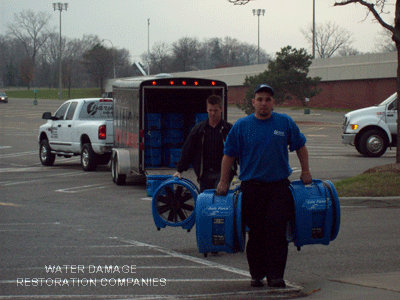
The source of water damage affects how the property should be cleaned and restored. Category 1 water has a lower contamination level, Category 2 water may cause illness or discomfort, and Category 3 water is heavily contaminated.
When you are unsure about the source or safety of the water, keep people away from the area and contact an experienced restoration company. Fast action can help reduce damage, protect belongings, and lower the chance of mold growth.