
Fire and Water Damage Recovery in Athens Clarke County, GA
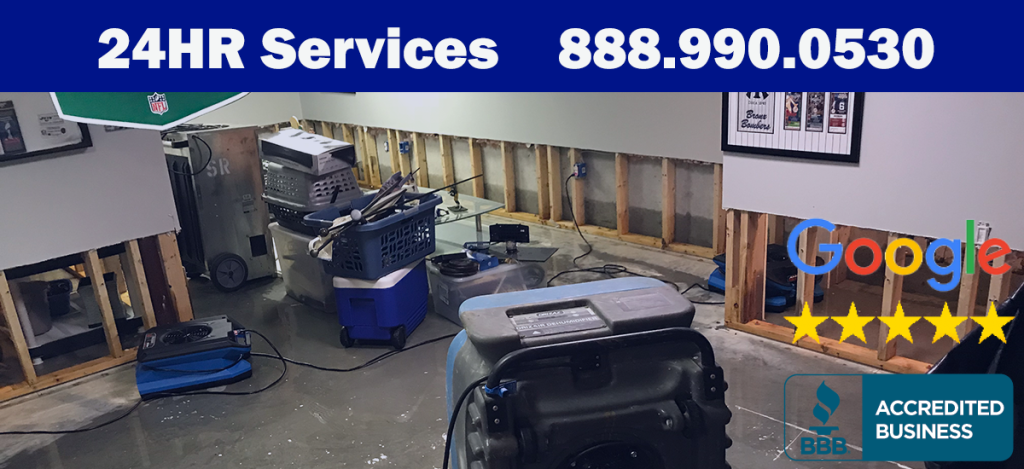

A room can escape visible burns and still be affected by smoke or water from a fire response. We help property owners in Athens Clarke County with residue cleanup, extraction, drying and recovery after sewage or storms. Call (888) 990-0530 to explain the loss and discuss the next available assessment.
Do not enter a fire-damaged building until the responsible officials confirm safe access. Keep clear of wet electrical equipment and unstable ceilings. Tell us about active water, sewage or any area that cannot be reached safely.
Leave Residue for a Material Check

Once entry is safe, we examine soot, smoke odors and the surfaces carrying them. Residue may extend into adjoining rooms and belongings. A cleaning method needs to suit the material, so avoid wiping soot or applying household products before those surfaces are checked.
Tell us about contents important to daily use. Cleaning possibilities and separate handling can be discussed before movement or disposal. When safety permits, document damaged items so their condition is recorded before they leave the property.
Look for Water Away From the Burned Space
Firefighting water can soak flooring, walls or spaces below the original loss. We extract standing water and take moisture readings to identify affected materials. Drying needs remain part of the scope while smoke cleanup is considered.
The same process helps after a pipe or appliance leak. Water may stay beneath a finish or appear later in another room. Mention changes after the original flow stops, including dampness on another level, so the wet extent can be checked.
Explain Retention and Removal Decisions

Contamination, deterioration and whether moisture can be reached effectively affect what can stay. Some materials can be cleaned and dried. Others need removal before reconstruction, and we explain those findings before repairs conceal the area.
Where drying is appropriate, air movers and dehumidifiers support the work. Further readings show progress and guide equipment adjustments. A dry-looking surface is not enough to establish the condition beneath it. Source repairs by a plumber, roofer or another specialist are separate from extraction.
Keep Sewage Within the Affected Area
Keep people and pets away from a toilet or sewer overflow. Avoid fixtures that add to the backup and do not run household fans over sewage. Tell us which drains were involved and whether flow continues.
We remove contaminated water, clean suitable surfaces and identify porous materials needing disposal. Sewage-soaked padding or insulation may be unsuitable to retain. Avoid carrying wet belongings through unaffected rooms. Plumbing repair to prevent recurrence is separate from recovering the contaminated space.
Storm Exposure and Use During Recovery
Tell us how outside water entered and whether an opening remains exposed. Temporary protection may be needed until permanent repairs are arranged. Contaminants and debris in outside water affect the handling of materials and contents.
We discuss equipment locations, rooms needing closure and paths required for essential access. Let us know which spaces support daily life or business. Restrictions should be clear before contents movement or damaged-material removal changes the layout.
Document Recovery and the Next Steps

We explain proposed cleanup and record affected areas, moisture findings and completed work. These records can support your insurance claim. Ask about direct billing and coordination with separate repairs; your insurer determines policy coverage and payment.
Call (888) 990-0530 for recovery help in Athens Clarke County. Tell us the cause, affected rooms and any immediate concerns about entry.
Questions About Cleanup and Recovery
Does an unburned room need checking after a fire?
It can. Soot, odors or firefighting water may affect adjoining areas. We check those conditions rather than limit the scope to visible burn damage.
Should soot be wiped with a household cleaner?
Leave residue undisturbed until the surface is checked. An unsuitable method can smear soot or damage the material and complicate cleaning.
Why check moisture during smoke cleanup?
Firefighting water creates its own material damage. Readings help identify drying needs so wet areas are not overlooked while residue is cleaned.
Can sewage-soaked padding stay if it dries?
Drying alone does not address contamination. Absorbent materials may need disposal while appropriate surfaces receive cleaning and remaining-moisture checks.
Does direct billing guarantee the claim pays?
No. We can discuss arrangements and supply damage and work records. Your insurer decides coverage and payment under the policy.