
Water, Sewage and Fire Damage Cleanup in Evansville, IN
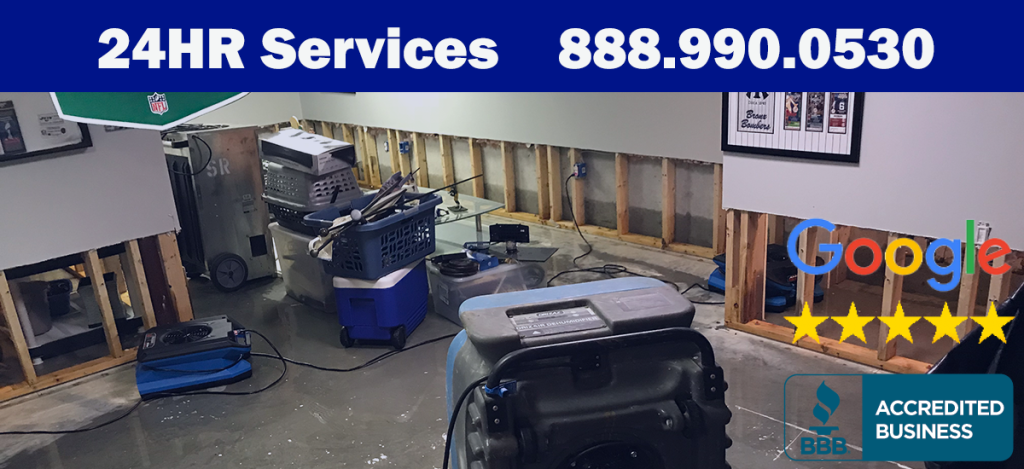

Water in a room you use every day or smoke damage to your belongings can leave recovery feeling unclear. At Disaster Cleanup Pros, we help Evansville property owners remove the damage, dry affected spaces and understand the work ahead. Call (888) 990-0530 to discuss cleanup at your home, rental or business.
Tell us about water that is still entering, sewage or unsafe access first. Keep away from standing water near electrical equipment. Use a plumbing shutoff only if it is safe to reach, and wait for clearance before entering a fire-damaged building.
Protect Clean Spaces While We Check the Loss

Before moving wet contents, tell us what is affected and where the water came from. Moving contaminated items through unaffected rooms can spread the problem. We’ll explain how contents handling fits with cleanup and which items need evaluation.
We check the water path through floors, wall bases and adjoining rooms. A leak upstairs can affect spaces below it, and water can remain under finishes after the surface looks dry. Moisture readings help identify those hidden wet areas.
Our team extracts standing water and explains which materials can be cleaned and dried. Some damaged or contaminated materials need removal. We’ll discuss those decisions before repairs cover or replace the affected areas.
Drying a Basement or Interior Room
Tell us where basement water first appeared: near a drain, a wall or a sump pump. That information helps us understand the source, but the space still needs checking. A plumber or another specialist may need to correct the cause alongside our work.
Air movers and dehumidifiers help dry the materials that remain. We monitor moisture and explain areas needing further attention. The surface feeling dry does not show whether enclosed materials are ready for repairs.
Ask us how equipment placement affects use of the property. If a kitchen, bedroom or essential business area is out of use, mention that during the assessment. We’ll discuss access restrictions and the proposed work.
Sewer Backups Require More Than Water Removal

If sewage enters the property, keep people and pets out of the affected space. Do not run household fans over the water or track it into clean rooms. Tell us whether the backup is still active.
We remove contaminated water and clean salvageable surfaces. Carpet padding, insulation and other absorbent materials may need disposal rather than drying in place. We’ll explain cleaning and removal decisions and the steps needed before the room returns to use.
Fire, Smoke and Storm Damage
Once safe entry is cleared after a fire, we inspect soot, smoke odors and affected contents. Water left by firefighting may also need extraction and drying. Tell us about odors or dampness in rooms away from the fire itself.
For rain entering through a damaged roof or window, temporary protection may be needed while repairs are arranged. We check the affected interior and clean and dry what can remain. Outdoor floodwater also needs a contamination check before the cleanup approach is chosen.
Recovery for Your Evansville Property

For a home in Jacobsville, a Downtown Evansville business or another city property, give us your exact address and affected rooms. Tell us about tenants, shared spaces and contents needing attention. We’ll explain how the work fits the building and the loss.
Before work begins, we’ll clarify the cleanup scope and repairs that are separate from mitigation. Photos, moisture records and work details help document the job. Talk with us about direct insurance billing and records for your adjuster; your insurer decides coverage.
Call (888) 990-0530 with your Evansville location and a short description of the damage. We’ll discuss the next available assessment and what you can do safely while waiting.
Questions About Cleanup and Recovery
Should I move wet contents into a dry room?
Avoid spreading contamination into clean areas. Tell us what is wet so we can discuss handling and evaluation of the affected items.
What should I explain about basement water?
Tell us where it first appeared and whether a drain, sump pump or plumbing fixture was involved. Mention whether water is still entering.
Why use moisture readings during drying?
Readings help locate remaining wet materials and track progress. A dry-looking finish does not show the condition beneath it.
Does sewage cleanup include material removal?
Some absorbent materials may need disposal. We’ll check contamination and explain what can be cleaned and what needs removal.
Can you explain the insurance documentation?
We’ll discuss photos, drying records and work details for your adjuster. Ask us about billing arrangements; your insurer determines coverage.