
Sewage and Water Damage Cleanup in Gardner, KS

A backup can make a room unusable, while a leak may leave wet materials beyond the first puddle. We help Gardner property owners with contaminated-water cleanup, extraction, drying and fire or storm recovery. Call (888) 990-0530 to explain the loss and discuss the next available assessment.
Before entering, tell us about sewage, ongoing water and unsafe access. Avoid wet electrical equipment and ceilings that appear unstable. Fire-damaged property should only be entered after the responsible officials confirm access is safe.
Limit Access to a Backup

Keep people and pets away from a toilet or sewer overflow. Stop using fixtures that make the backup worse, and do not run ordinary fans over sewage. Tell us which drains were involved and whether the water continues to rise.
We remove contaminated water and check which surfaces can be cleaned. Porous materials, including padding or insulation, may need disposal after sewage exposure. A material becoming dry does not mean contamination has been addressed, so cleaning and removal decisions come before repairs.
Resolve the Cause Separately From the Room Damage
A plumber may need to clear or repair the line that caused the backup. Our cleanup addresses contamination and damaged materials already present. We discuss both tasks so a cleaner room is not mistaken for a corrected plumbing problem.
Supply-line or appliance leaks also need source correction. We extract standing water and take moisture readings in affected materials. Mention dampness found later in another room or on another level so those spaces can be included.
Check Materials Before Reconstruction

We consider contamination, deterioration and whether moisture can be reached effectively when discussing drying or removal. Some materials can stay; others need removal before new finishes cover the area. We explain the findings rather than leave you to guess from the equipment.
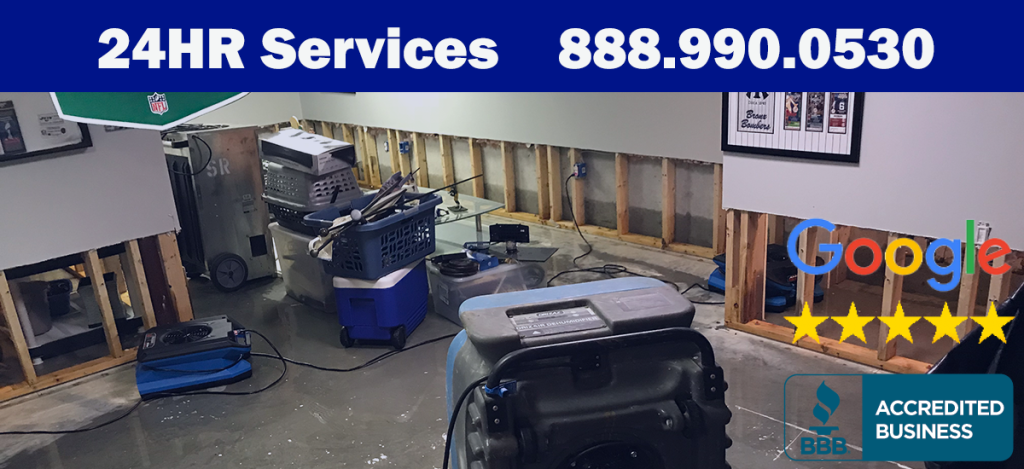
Air movers and dehumidifiers support drying in suitable materials. Further readings guide adjustments and show progress. A floor that looks dry may still hold moisture beneath its finish, so readiness needs checking.
Recover Smoke-Affected Rooms and Contents
Once fire-scene access is safe, we examine soot, smoke odors and belongings, including adjoining rooms without visible burns. Avoid wiping residue or applying household sprays before the material and cleaning method are checked.
Water used during firefighting can soak floors and walls elsewhere in the property. We include moisture checks alongside smoke cleanup. Tell us which belongings are essential, and document damaged items before disposal when safety allows.
Storm Entry and Essential Access
If outside water entered, tell us its route and whether an opening remains exposed. Temporary protection may be needed while permanent repairs are arranged. Contaminants and debris in outside water affect material and contents decisions.
We discuss where equipment will operate, rooms needing closure and paths necessary for essential access. Let us know which spaces you rely on daily. Restrictions should be clear before contents movement or damaged-material removal changes the layout.
For nearby locations, see Olathe. Call us to confirm current availability for your address.
Document What Happened and What Was Done

We explain proposed cleanup and record affected areas, moisture findings and completed work. These records can support your insurance claim. Ask about direct billing and repair coordination; your insurer determines coverage and payment under the policy.
Call (888) 990-0530 for cleanup help in Gardner. Tell us the cause, affected rooms and any immediate safety concerns.
Questions About Cleanup and Recovery
What if another fixture causes more overflow?
Avoid fixtures that worsen the backup and keep people out of the contaminated area. Tell us whether flow continues so source control can be discussed.
Can sewage-soaked insulation stay if it dries?
Drying does not remove contamination. Absorbent materials exposed to sewage may need disposal while suitable surfaces receive cleaning and remaining-moisture checks.
Why explain removal before reconstruction?
You need to understand the material findings before new finishes hide the area. Contamination, condition and access to moisture affect which materials can remain.
Can water damage be part of fire recovery?
Yes. Firefighting water may wet spaces away from visible burns. We check those areas while discussing soot, odors and contents.
Will billing arrangements guarantee insurance payment?
No. We can discuss direct billing and provide damage and work records. Your insurer makes coverage and payment decisions.