
Water and Sewage Damage Recovery in Kalamazoo, MI
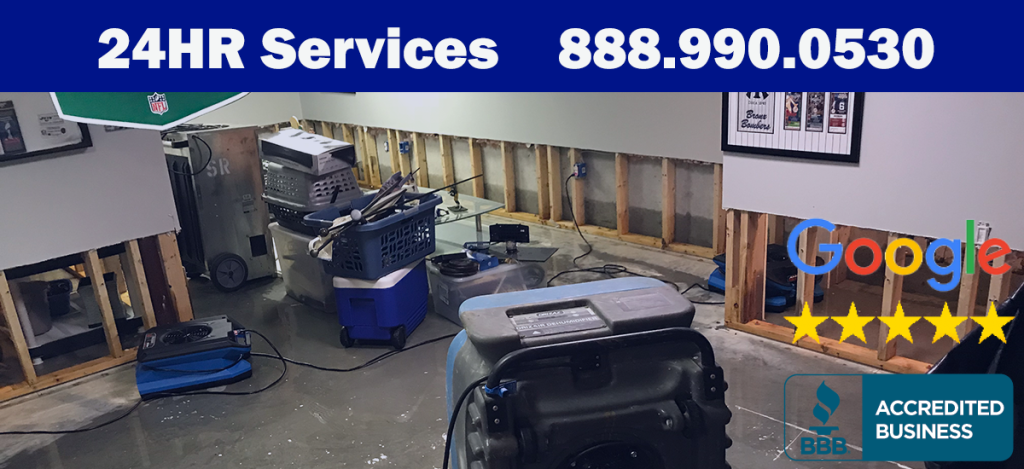

A wet basement or damaged downstairs room can leave floors, wall bases and stored belongings needing attention. Disaster Cleanup Pros helps Kalamazoo property owners work through cleanup and drying after water, sewage, fire or storm damage. Call (888) 990-0530 to tell us what happened and which spaces you cannot use.
Do not enter standing water near electrical equipment to investigate. Keep people and pets out of sewage, and avoid unstable ceilings. After a fire, wait for entry to be cleared before retrieving belongings. Mention unsafe access and ongoing water first.
Check the Source Before Rearranging the Room

Tell us whether water appeared near a drain, plumbing fixture, wall or another location. Those details help explain the loss before we check the affected space. A plumber or other specialist may need to correct an active source alongside cleanup.
We extract standing water and check connected materials. Water may remain beneath flooring, behind trim or inside enclosed areas. Readings help locate what is still wet after a puddle has disappeared.
Stored contents need review too. Tell us what was exposed before moving boxes or furniture beside clean belongings. We discuss handling and evaluation without carrying dirty water or residue into unaffected rooms.
Remove Contamination, Not Only Moisture

A sewer backup requires controlled water removal and suitable cleaning. Keep the area closed and avoid household fans over sewage. We clean salvageable surfaces and identify absorbent materials that cannot be effectively cleaned.
Tell us if the drain continues backing up so plumbing needs can be considered. Drying a contaminated material does not make it clean. Some padding, insulation or other porous materials may need removal rather than drying in place.
Outdoor floodwater also needs a contamination review. When storm damage exposes a roof or window, temporary protection may be needed while permanent repairs are arranged. We discuss the exposed opening separately from interior cleanup.
Check Drying Before Covering Wet Layers
For materials that can remain, air movers and dehumidifiers help remove moisture. We check readings during the work and explain where more attention is needed. A floor feeling dry does not reveal the condition beneath its finish.
Ask about findings before replacement flooring or wall finishes cover the area. We distinguish cleaning, removal and drying still needed from rebuilding. A source repair stops additional water but does not dry damage already inside.
Tell us about essential rooms and access requirements while equipment operates. We discuss placement and restrictions. Ask before moving equipment or switching it off so its effect on drying can be reviewed.
Include Smoke, Soot and Firefighting Water

Once safe entry is confirmed, we check fire-related residue, odors and wet materials. Tell us about belongings and connected rooms beyond the burned area. Building surfaces and contents may need different methods or separate evaluation.
Leave soot-covered finishes undisturbed until the residue and surface are checked. We discuss suitable cleaning and possible replacement needs. Odor treatment should address remaining sources rather than mask the smell with fragrance.
Keep the Scope and Records Clear
We explain proposed cleanup and drying and identify repairs requiring separate arrangements. If you manage or rent the property, tell us who can authorize work and provide entry. Keep copies of approvals and job correspondence.
Photos, moisture readings and work descriptions help document damage for your adjuster. Talk with us about direct billing and available records. Your insurer determines coverage under your policy.
Nearby location information is available on our Portage page.
Call (888) 990-0530 with the Kalamazoo property address and your immediate concern. We’ll discuss the damage and the next available assessment.
Questions About Cleanup and Recovery
What should I describe about basement water?
Tell us where it appeared, whether it is still entering and any electrical or sewage concerns. Avoid entering an unsafe room to investigate.
Can a dry sewage-affected material still need disposal?
Yes. Drying does not remove contamination. We explain suitable cleaning or removal based on exposure and material condition.
Why check beneath flooring after extraction?
Moisture can remain in underlying layers. Readings help guide drying before replacement finishes cover the area.
Should smoky stored belongings go beside clean items?
Discuss handling first so residue is not carried elsewhere. Tell us about soot, odors and dampness.
What can help with my insurance discussion?
Keep photos, approvals and job messages. Ask us about moisture records, work descriptions and billing; your insurer decides coverage.