
Water Damage and Property Recovery in Livonia, MI
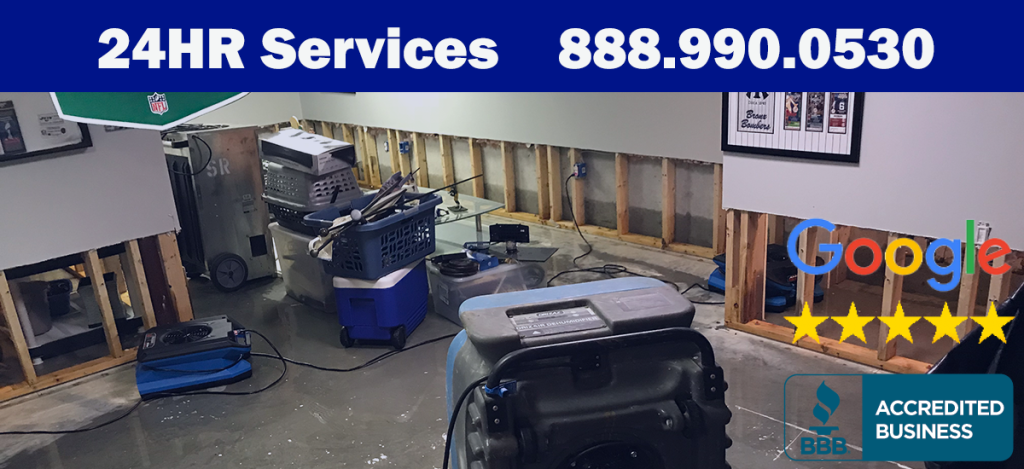

A leak or other property emergency can leave rooms unusable and belongings needing attention. At Disaster Cleanup Pros, we help Livonia homeowners and businesses work through cleanup and drying toward recovery. Call (888) 990-0530 about water damage, sewage, fire and smoke or storm damage and tell us what needs attention now.
Avoid standing water near wiring or appliances and keep people and pets out of sewage. Stay clear of unstable ceilings. After a fire, wait until access has been cleared before inspecting damage or retrieving belongings.
Start with the Rooms and Contents You Cannot Use

Tell us which spaces are affected, what is stored there and whether water remains active. Essential rooms and equipment may affect access during cleanup. If you manage the property for an owner, identify who can authorize work and arrange entry.
We extract standing water and check connected spaces for moisture. Water can travel beneath floors, behind cabinetry or into rooms below a leak. Readings help identify materials needing attention beyond the first visible stain.
Furniture and stored belongings need review alongside building materials. Avoid moving contaminated possessions into clean rooms. We discuss exposure and handling before items are rearranged or materials are discarded.
Make Material Decisions and Track Drying
The water source, contamination and material condition guide what can remain. Some finishes can be cleaned and dried, while damaged padding, insulation or contaminated absorbent materials may require removal. We explain why those decisions matter for recovery.
Air movers and dehumidifiers help remove moisture from retained materials. We check readings during the work and explain where more attention is needed. A floor that feels dry may still have wet layers below its finish.
Ask about drying findings before replacement finishes cover the area. We distinguish remaining cleanup from source repairs and rebuilding. A plumber, roofer or other specialist may need to correct the cause separately from drying damage already present.
Give Sewage and Floodwater Suitable Cleaning

A sewer or toilet backup needs controlled removal and cleaning, not simply evaporation. Keep the affected area closed and avoid household fans over sewage. We clean salvageable surfaces and identify porous materials that cannot be effectively cleaned.
Avoid tracking dirty water through unaffected rooms or putting exposed belongings beside clean possessions. Tell us if the drain continues backing up so plumbing needs can be considered. Drying does not remove contamination left in a material.
Outdoor floodwater also needs a contamination review. When storm damage exposes a roof or window, temporary protection may be needed while permanent repairs are arranged. Tell us where water entered and whether the opening remains exposed.
Address Fire Residue and Firefighting Water Together

Once entry is safe, we check soot, smoke odors and wet materials. Tell us about affected belongings and connected rooms beyond the burned space. Contents and building surfaces can require different methods or separate evaluation.
Leave soot-covered finishes undisturbed until the residue and material are checked. We discuss suitable cleaning options and possible replacement needs. Odor treatment should address its source rather than cover remaining residue with fragrance.
Follow the Work and Preserve the Records
We explain proposed cleaning, removal and drying and identify repairs requiring separate arrangements. Tell us about access restrictions or occupant needs while equipment operates. Ask before moving drying equipment so its effect on the work can be reviewed.
Photos, moisture records and job descriptions help document the loss for your insurance adjuster. Ask us about billing arrangements and available records. Your insurer determines coverage under your policy; keep authorizations and correspondence.
Nearby location pages include Westland and Farmington Hills.
Call (888) 990-0530 with your Livonia address and the immediate concern. We’ll discuss the damage and the next available assessment.
Questions About Cleanup and Recovery
What should a building manager tell you first?
Describe unsafe conditions, ongoing water, the affected spaces and who can authorize work. Access and essential-room needs can be discussed alongside cleanup.
Can wet belongings be moved straight into another room?
Discuss exposure and handling first, especially after sewage or outside water. Avoid carrying contamination into clean spaces.
Why check moisture after a puddle is removed?
Water can remain beneath finishes and inside enclosed materials. Readings help guide drying and removal decisions.
Does a fixed drain finish sewage cleanup?
It addresses the cause, but affected materials still need suitable cleaning or disposal and drying. We explain those tasks separately.
What information helps explain the loss to my adjuster?
Keep photos, approvals and correspondence. Ask us about moisture records, work descriptions and billing; your insurer decides coverage.