
Water, Sewage and Storm Damage Cleanup in Mount Holly, NC
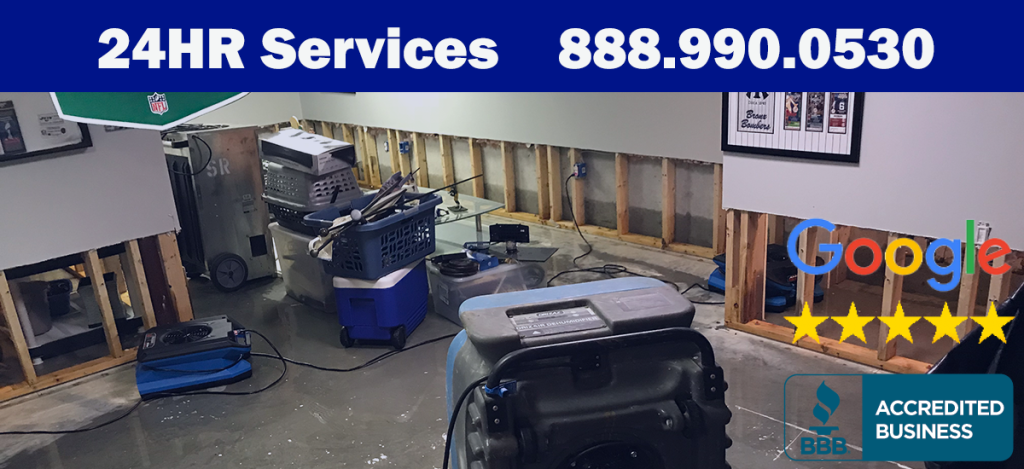

A burst pipe and rain entering through a damaged opening both need attention to the source and the wet interior. At Disaster Cleanup Pros, we help Mount Holly property owners understand those tasks and recover affected spaces. Call (888) 990-0530 about water damage, sewage, fire and smoke or storm cleanup.
Tell us whether water is still entering or access is unsafe. Avoid standing water near electrical equipment and keep people and pets away from sewage. Stay clear of unstable ceilings, and enter after a fire only when access has been cleared.
Address the Entry Point and the Wet Interior

A plumber, roofer or another specialist may need to correct the cause of the loss. We explain that source work separately from extraction, cleaning and drying. Fixing a pipe or covering an opening does not remove water already inside the building.
For storm damage, tell us about broken windows or exposed roof areas. Temporary protection may be needed while permanent repairs are arranged. We check the affected interior and connected spaces rather than assume water stayed where it first appeared.
We remove standing water and use moisture readings to locate wet materials. Water may reach beneath flooring, behind cabinets or into rooms below a leak. Those findings help guide access, removal and drying decisions.
Review Materials and Belongings Before Repairs
The source of the water, contamination and material condition determine what can remain. We explain which surfaces can be cleaned or dried and which damaged absorbent materials need removal. Some padding or insulation may not be suitable to retain.
Tell us about furniture, stored items and rooms that are out of use. Avoid moving contaminated belongings beside clean possessions. Contents handling and evaluation can be discussed while the building cleanup is organized.
Air movement and dehumidification help dry retained materials. We check progress and explain where readings show more work is needed. A dry surface does not establish the condition inside a wall or beneath a finish.
Clean Sewage and Outside Water Appropriately

A backed-up drain needs controlled removal and suitable cleaning. Keep the area closed and do not run household fans over sewage. We clean salvageable surfaces and identify materials that cannot be effectively cleaned.
Drying alone cannot resolve contamination in an absorbent material. Avoid tracking dirty water into unaffected rooms, and tell us if the backup continues. A plumbing repair may be required alongside cleanup of the damage left behind.
Outdoor floodwater also needs a contamination check before material decisions are made. Its appearance alone does not establish its cleaning needs. We explain cleaning, disposal and drying as distinct parts of the work.
Consider Fire Residue and Water Together

Once safe entry is confirmed, we review soot, smoke odors and firefighting water. Tell us about affected belongings or residue beyond the burned room. Building surfaces and contents may need different methods or separate evaluation.
Avoid scrubbing soot-covered finishes before they are checked. We explain suitable cleaning options and replacement needs. Odor treatment should address remaining residue and materials instead of simply covering the smell.
Understand What Remains Before Rebuilding
Ask us to explain drying findings and any cleanup or removal still required before finishes go back. We discuss equipment placement and restrictions on using the work area. Tell us about essential rooms and who can authorize the work.
Photos, moisture records and job descriptions help document the loss for your adjuster. Talk with us about direct billing and available documentation. Your insurer determines coverage under your policy, so keep work approvals and correspondence for reference.
Nearby location information is available for Belmont.
Call (888) 990-0530 with your Mount Holly address and the immediate problem. We’ll discuss the damage and the next available assessment.
Questions About Cleanup and Recovery
Does temporary protection finish storm recovery?
It can help address an exposed opening while permanent repairs are arranged. Water already inside still needs cleaning and drying.
Why check below a roof or plumbing leak?
Water can travel through connected materials into lower rooms. We check affected spaces and use readings to help locate moisture.
Can outside floodwater be treated like a supply-line leak?
It needs a contamination review. The source and material condition guide cleaning, drying and removal decisions.
What should I avoid doing with soot?
Avoid scrubbing it before the residue and surface are checked. Tell us about smoke odors and affected belongings as well.
How do I know the area is ready for new finishes?
Ask about the drying findings and any remaining cleaning or removal. We explain those needs separately from replacement work.