Professional Mold Remediation and Property Restoration Services
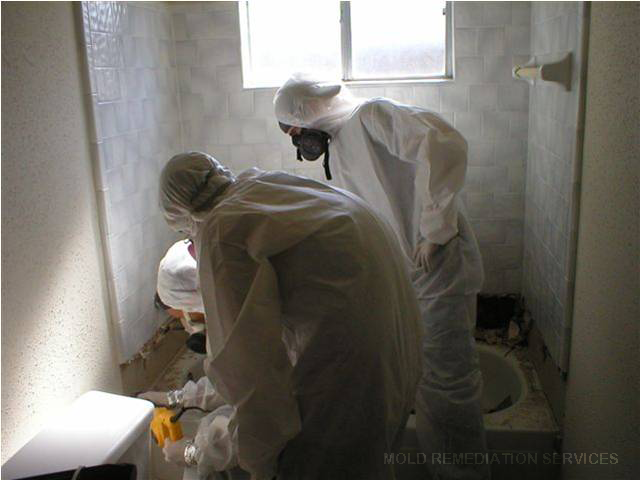
Mold can develop inside a home or commercial property when building materials remain damp. Roof leaks, plumbing failures, flooding, appliance overflows, condensation, poor ventilation, and high indoor humidity can all create conditions that support mold growth.
Visible mold is often a sign of a moisture problem that needs attention. Cleaning the surface without fixing the leak or humidity issue may allow the mold to return. Moisture may also be hidden behind drywall, beneath flooring, inside insulation, or above ceilings.
Restoration Companies helps homeowners, landlords, property managers, and commercial property owners across the United States connect with local professionals for mold inspection, containment, contaminated material removal, structural drying, cleaning, and property reconstruction.
Service availability, licensing rules, certifications, response times, and insurance requirements vary by state and city. Property owners should review the qualifications, insurance, experience, and proposed scope of work of any contractor before hiring.
What Is Mold?
Mold is a type of fungus that grows in damp environments. Mold reproduces by releasing tiny spores that can travel through indoor and outdoor air.
Mold spores are common in the environment. They do not usually create a major indoor problem unless they land on a wet surface and begin growing.
Indoor mold may grow on:
- Drywall and gypsum board
- Wood framing
- Carpet and padding
- Ceiling tiles
- Wallpaper
- Insulation
- Fabric and upholstery
- Cardboard and paper
- Cabinets
- Dust and debris
The key to mold control is moisture control. Mold growth is likely to return if wet materials are not dried or the source of moisture is not corrected.
What Is Mold Remediation?
Mold remediation is the process of correcting the moisture problem, controlling the work area, removing contaminated materials, cleaning materials that can remain, and drying the structure.
The goal is not to remove every mold spore from the building. Mold spores naturally exist in indoor and outdoor air. The goal is to remove active growth, reduce contamination to normal conditions, and correct the moisture source that allowed the problem to develop.
Mold Remediation Services May Include:
- Moisture and damage assessment
- Identification of the water source
- Containment of affected areas
- HEPA air filtration
- Removal of damaged drywall and insulation
- Cleaning of structural wood and other materials
- HEPA vacuuming
- Structural drying and dehumidification
- Odor source removal
- Post-remediation cleaning
- Drywall, flooring, and trim replacement
- Repairs and reconstruction
What Causes Mold Growth?
Mold requires moisture and a suitable material on which to grow. The source may be a sudden water loss or a slow condition that remains hidden for months.
Common Causes of Indoor Mold
- Leaking plumbing pipes
- Roof leaks
- Flooding and storm damage
- Sewer backups
- Water heater failures
- Washing machine and dishwasher leaks
- Refrigerator water line leaks
- Foundation water intrusion
- Wet basements and crawl spaces
- High indoor humidity
- Bathroom condensation
- Poor attic ventilation
- Air conditioning condensate problems
- Water entering around windows or siding
Wet building materials should be dried as quickly as possible. The Environmental Protection Agency recommends drying damp materials within 24 to 48 hours when possible to reduce the chance of mold growth.
Where Does Mold Commonly Grow?
Bathrooms
Bathrooms create moisture through showers, baths, sinks, and toilets. Poor ventilation, leaking supply lines, failed caulking, damaged grout, and hidden plumbing leaks may allow moisture to reach drywall, flooring, and wall cavities.
Basements
Basements may develop mold because of foundation seepage, groundwater, sump pump failure, condensation, flooding, or high humidity. Finished basement walls can hide moisture between the drywall and foundation.
Crawl Spaces
Crawl spaces may have damp soil, plumbing leaks, standing water, poor drainage, or limited airflow. Mold may grow on floor joists, subfloors, insulation, and support beams.
Attics
Attic mold may be connected to roof leaks, poor ventilation, condensation, damaged insulation, or bathroom exhaust fans that discharge into the attic.
Kitchens
Mold may grow behind cabinets, beneath sinks, around dishwashers, or near refrigerator water lines. A slow leak can damage materials before water becomes visible.
Laundry Rooms
Washing machine supply hoses, drains, utility sinks, and appliance overflows may release water into walls and floors.
Areas Near Water Heaters
A leaking tank, valve, pipe, or drain connection can keep nearby materials wet. Water may spread beneath flooring or into adjoining rooms.
Commercial Buildings
Offices, hotels, schools, apartment buildings, medical facilities, warehouses, and other commercial properties may develop mold after roof leaks, plumbing failures, HVAC problems, floods, or long periods of high humidity.
How Can You Tell If a Property May Have Mold?
Mold is not always hidden. It may appear as dark spots, colored patches, fuzzy growth, powdery material, or stains. However, mold can also grow behind finished surfaces where it is not easy to see.
Possible Signs of Mold or Moisture Damage
- A musty or earthy odor
- Black, green, brown, white, or gray spotting
- Peeling or bubbling paint
- Loose wallpaper
- Water stains
- Soft or swollen drywall
- Warped flooring
- Darkened grout or caulking
- Condensation on windows, walls, or pipes
- Mold that returns after cleaning
- Previous water damage that was not fully dried
A musty odor may indicate hidden growth, but odor alone cannot confirm the size or location of the problem. A moisture inspection may be needed to locate damp materials.
Can Mold Be Hidden Behind Walls?
Yes. Mold may grow on the back of drywall, inside insulation, on wood framing, beneath cabinets, or around concealed plumbing.
Possible Signs of Hidden Mold
- A strong odor with no visible source
- Repeated staining on the same wall
- Soft or damaged drywall
- Moisture readings above normal levels
- Paint or wallpaper separating from the wall
- A known leak inside the wall
- Mold returning after surface cleaning
Opening a wall can release dust and mold particles into nearby rooms. Hidden or large mold problems should be evaluated using proper containment and work practices.
What Is Black Mold?
The term “black mold” is often used for any mold that appears black, dark green, brown, or gray. Mold color alone cannot identify the species or show how it may affect a person.
One well-known dark mold is Stachybotrys chartarum. It may grow on wet materials that contain cellulose, such as drywall paper, fiberboard, and other building products.
It is not necessary to identify the exact species before taking action. All unwanted indoor mold growth should be addressed by correcting the moisture source and removing the affected material safely.
Is Black Mold More Dangerous Than Other Mold?
Not necessarily. Some molds can produce substances called mycotoxins under certain environmental conditions. However, the color of a mold does not prove that toxins are present or show how serious the exposure may be.
The CDC advises that molds capable of producing mycotoxins should be treated using the same basic approach as other indoor molds.
Property owners should focus on:
- Stopping the source of water
- Determining how much material is affected
- Removing visible growth safely
- Drying the building completely
- Replacing materials that cannot be restored
Can Mold Affect Health?
People respond to mold differently. Some may not notice any symptoms, while others may experience allergic or respiratory irritation.
Research has found that damp buildings and mold exposure may be associated with respiratory symptoms, worsening asthma, allergic rhinitis, and eczema.
Possible Reactions May Include:
- A stuffy or runny nose
- Sneezing
- Coughing
- Wheezing
- Throat irritation
- Red or watery eyes
- Skin irritation
- Worsening asthma symptoms
These symptoms can have many possible causes and do not prove that mold is responsible. Anyone concerned about symptoms should speak with a qualified healthcare professional.
People with asthma, chronic lung disease, severe allergies, or weakened immune systems should avoid entering heavily mold-damaged areas. Children should not take part in mold cleanup.
Can Mold Cause Infections?
Most healthy people do not develop invasive mold infections from common household exposure. However, people with severely weakened immune systems may face a greater risk of serious fungal infections.
Anyone with a weakened immune system should speak with a healthcare provider before entering or cleaning a mold-damaged building.
Can You Clean Mold Yourself?
The EPA states that property owners may often handle a moldy area smaller than about 10 square feet, which is roughly a three-foot by three-foot patch.
However, size is not the only factor. Professional assistance should be considered when:
- The affected area is larger than about 10 square feet.
- Mold is growing behind walls or beneath flooring.
- Sewage or contaminated floodwater is involved.
- The HVAC system may be contaminated.
- Several rooms are affected.
- Drywall, insulation, or structural materials are damaged.
- The moisture source is unknown.
- Mold keeps returning.
- Occupants have asthma or weakened immune systems.
- The property has extensive water damage.
A small visible area may still be part of a much larger hidden problem. Surface size alone does not show how much material is affected behind the wall or floor.
Protective Equipment for Mold Cleanup
Cleaning mold can release dust and particles into the air. Appropriate protection may include:
- An N95 respirator or other suitable respiratory protection
- Protective gloves
- Goggles without ventilation holes
- Protective clothing or disposable coveralls
- Waterproof footwear when wet conditions are present
Protective equipment should match the size and risk of the project. Large or complicated projects may require stronger respiratory protection and professional containment.
Does Mold Testing Need to Be Performed?
Testing is not always necessary when visible mold and a clear moisture problem are already present. In many situations, the next steps are to correct the water source and remove the growth.
Testing may be helpful when:
- The source of an odor or complaint is unclear.
- Hidden mold is suspected.
- A healthcare provider requests environmental information.
- A legal matter or property transaction requires documentation.
- Independent post-remediation verification is requested.
- Occupants continue reporting concerns after repairs.
Testing should be completed and interpreted by a qualified professional. A single air sample may not provide a full picture of conditions throughout a building.
What Happens During Professional Mold Remediation?

The exact process depends on the size of the problem, materials involved, water source, building design, and whether the mold is visible or hidden.
1. Inspection and Moisture Assessment
The contractor evaluates visible growth, water damage, building materials, and possible hidden moisture. Moisture meters and thermal imaging may be used to support the inspection.
The assessment may include:
- Locating the moisture source
- Measuring the affected area
- Identifying damaged materials
- Checking nearby rooms and wall cavities
- Reviewing HVAC involvement
- Creating a remediation plan
2. Correcting the Moisture Source
A plumber, roofer, drainage contractor, HVAC professional, or another qualified trade may be needed to stop the water source.
Remediation will not provide a lasting solution if water continues entering the area.
3. Containment
Containment may be used to separate the work area from unaffected spaces. Plastic sheeting, sealed openings, controlled access, and negative air pressure may be used depending on the project.
4. Air Filtration
HEPA-filtered air machines may be used to capture airborne particles during removal and cleaning.
5. Removal of Damaged Materials
Porous materials that cannot be cleaned may need to be removed.
Materials Commonly Evaluated for Removal
- Drywall
- Insulation
- Ceiling tiles
- Carpet padding
- Swollen particleboard
- Damaged cabinets
- Contaminated cardboard and paper
- Heavily damaged fabric or upholstery
6. Cleaning Remaining Materials
Wood framing, concrete, metal, tile, and other materials that can remain may be cleaned using methods selected for the surface and the level of contamination.
Cleaning methods may include:
- HEPA vacuuming
- Damp wiping
- Controlled agitation
- Specialized cleaning methods
- Removal of surface material where appropriate
7. Structural Drying
Dehumidifiers, controlled airflow, and moisture monitoring may be used to dry the affected area. Drying goals should be based on moisture readings and the condition of the materials.
8. Detailed Cleaning
The contained area may be HEPA vacuumed and wiped to remove settled dust and debris. The contractor should not rely only on fragrance, fogging, or surface sprays.
9. Final Evaluation
The work area should be dry and free of visible mold growth, dust, debris, and musty odors. When required, an independent professional may perform post-remediation verification.
10. Repairs and Reconstruction
After remediation is complete, removed building materials may be replaced.
Reconstruction may include:
- Drywall installation
- Insulation replacement
- Flooring replacement
- Cabinet repairs
- Trim installation
- Painting
- Ceiling repair
- Structural wood repair
Should Mold Be Killed, Cleaned, or Removed?
Simply “killing” mold is not enough. Dead mold and mold fragments may still cause allergic reactions in some people. The affected material should be physically cleaned or removed.
The moisture source must also be corrected. Disinfectants, fogging, bleach, sealers, or fragrances cannot replace material removal and structural drying.
Does Bleach Remove Mold?
Bleach may be used in some limited cleanup situations, but it is not always the best choice for porous materials such as drywall, wood, carpet, and insulation.
Bleach may lighten surface staining without reaching growth inside a porous material. Damaged drywall or insulation may still need to be removed.
Never mix bleach with ammonia, vinegar, acids, or other cleaners because dangerous gases may form. Follow all product labels and provide proper ventilation.
Should Mold Be Painted or Sealed Over?
No. Painting over active mold does not remove the contamination or solve the moisture problem. Paint may peel, stain, or fail as the problem continues.
Materials should be cleaned, dried, and evaluated before a coating or encapsulant is applied. Encapsulation may be part of a professional remediation plan in some situations, but it should not be used to hide active growth.
Can Mold Be Removed From Drywall?
Drywall is porous, and mold may grow on the paper surface, inside the gypsum core, or on the back of the panel.
A very small amount of surface growth on dry, solid material may sometimes be cleaned. Drywall that is wet, soft, swollen, deeply contaminated, or affected by sewage may need to be removed.
Can Mold Be Removed From Wood?
Solid wood framing may sometimes be cleaned and dried when it remains structurally sound. Wood that is rotted, soft, badly damaged, or contaminated through its full depth may require replacement.
Sanding or grinding may release large amounts of dust and should only be performed with proper containment, respiratory protection, and cleanup procedures.
Can Mold Be Removed From Carpet?
Carpet and padding can be difficult to restore after long-term mold growth or contaminated water exposure. Carpet padding often needs to be removed.
Whether carpet can be saved depends on:
- The source of the water
- How long the carpet remained wet
- The amount of visible growth
- The condition of the subfloor
- Whether sewage or floodwater was involved
Can Mold Affect an HVAC System?
Mold may develop in an HVAC system when moisture, dust, and suitable temperatures are present. Problems may involve drain pans, insulation, duct materials, humidifiers, coils, or other components.
Do not operate an HVAC system that may be contaminated because it could move particles through the building. The system should be inspected by qualified professionals.
Can You Stay in the Property During Mold Remediation?
Whether a property can remain occupied depends on the size and location of the affected area, occupant health, containment, noise, equipment, access to bathrooms and kitchens, and the amount of material being removed.
Temporary relocation may be recommended when:
- Several rooms are affected.
- The HVAC system is involved.
- Children or sensitive occupants are present.
- Containment blocks important living areas.
- Large amounts of drywall or flooring are removed.
- Sewage or contaminated floodwater is involved.
- The property has major structural damage.
The remediation contractor can explain the work-area controls, but occupants with medical concerns should also speak with a healthcare provider.
How Long Does Mold Remediation Take?
There is no fixed timeline for every project. A small contained area may take a few days, while a property with several affected rooms, hidden growth, or major reconstruction may take much longer.
Factors That Affect the Schedule
- Size of the affected area
- Location of the mold
- Materials involved
- Amount of demolition needed
- Water source and contamination
- Drying time
- HVAC involvement
- Testing or verification requirements
- Permits and inspections
- Amount of reconstruction
The project should not be considered complete until the moisture source is corrected and the area is dry and free of visible growth and debris.
How Much Does Mold Remediation Cost?
Mold remediation costs vary widely. A small bathroom area may cost far less than a project involving an attic, crawl space, basement, or several rooms.
Factors That Affect Cost
- Size of the affected area
- Hidden mold
- Containment requirements
- Material removal
- Structural drying
- HVAC cleaning or repair
- Testing and post-remediation verification
- Repairs to plumbing, roofing, or drainage systems
- Reconstruction costs
- Local labor and disposal costs
A contractor should provide a written scope of work explaining the materials to be removed, cleaning methods, equipment, drying plan, and expected reconstruction.
Does Insurance Cover Mold Remediation?
Insurance coverage depends on the policy and the cause of the moisture. Mold connected to a sudden covered water loss may be treated differently from mold caused by long-term leaks, humidity, flooding, or poor maintenance.
Some policies limit mold-related coverage or require an additional endorsement.
Questions to Ask the Insurance Provider
- Does the policy include mold remediation coverage?
- What coverage limit applies?
- Is testing covered?
- Are damaged materials and reconstruction covered?
- Does the cause of water damage qualify as a covered loss?
- Is separate flood insurance involved?
- What documentation is required?
A restoration contractor may help document the property condition, but the insurance carrier makes the final coverage decision.
How to Choose a Mold Remediation Company
Mold licensing and assessment rules vary by state. Some states require separate licenses for mold assessors and remediation contractors.
Questions to Ask Before Hiring
- Does the company have experience with this type of property?
- Is the contractor properly insured?
- Are mold licenses required in this state?
- Do technicians have relevant training or certifications?
- How will the work area be contained?
- What materials will be removed?
- How will moisture be measured?
- Will the HVAC system be protected?
- Is post-remediation verification recommended?
- Are repairs and reconstruction included?
- Will a written scope and estimate be provided?
The ANSI/IICRC S520 Standard provides procedures and principles for professional mold remediation. Certification and training can be useful qualifications, but they do not replace required state licensing, insurance, or careful review of the contractor.
How to Help Prevent Mold Growth
Mold prevention depends on controlling water and humidity.
- Repair plumbing and roof leaks promptly.
- Dry wet materials within 24 to 48 hours when possible.
- Use bathroom and kitchen exhaust fans.
- Vent clothes dryers outside.
- Use air conditioning or dehumidifiers when needed.
- Keep indoor humidity below 60 percent when possible.
- Clean gutters and downspouts.
- Direct water away from the foundation.
- Test sump pumps before heavy rain.
- Inspect crawl spaces and basements.
- Check beneath sinks and appliances for leaks.
- Maintain HVAC condensate drains.
- Correct recurring condensation.
Mold Remediation FAQs
Is all black-colored mold Stachybotrys?
No. Many mold species can appear black or dark. Laboratory analysis is required to identify a specific species.
Is mold testing always required?
No. When visible mold and a moisture source are already present, testing may not change the need for cleanup. Testing may be useful in certain medical, legal, hidden-growth, or verification situations.
Can mold be removed permanently?
Visible growth can be removed, but mold spores will remain part of the normal environment. The best way to prevent regrowth is to control moisture.
Does mold remediation remove every spore?
No. Complete removal of every mold spore is not possible or necessary. The goal is to remove active growth and return the area to a normal, dry condition.
Will mold return after remediation?
Mold may return if the moisture source continues, the property is not fully dried, or hidden damaged materials remain.
Can I paint over mold?
No. The mold and moisture source should be corrected before painting.
Can bleach solve a mold problem?
Bleach may affect surface growth in some situations, but it may not reach contamination inside porous materials. Cleaning products do not replace material removal and moisture control.
Should mold-damaged drywall be replaced?
Drywall may need replacement when it is wet, soft, swollen, deeply contaminated, or affected by sewage or floodwater.
Can mold grow again after a water leak is repaired?
Yes, if the building materials remain wet. The leak must be repaired and the affected area must also be dried.
Can homeowners insurance cover mold?
Coverage depends on the policy and cause of moisture. Long-term leaks, flooding, and maintenance problems may be excluded or limited.
Request Professional Mold Remediation Services
Do not ignore visible growth, musty odors, recurring stains, wet drywall, damaged flooring, or moisture after a flood or leak. Surface cleaning may not solve the problem when mold is hidden inside walls, floors, ceilings, attics, basements, or crawl spaces.
Restoration Companies helps residential and commercial property owners across the United States connect with local professionals for mold inspection, containment, contaminated material removal, structural drying, cleaning, water damage restoration, and reconstruction.
Response times depend on location, weather, local demand, road conditions, and contractor availability. No arrival time should be considered guaranteed unless confirmed directly by the assigned provider.
Authoritative Mold Remediation Resources
-
Environmental Protection Agency: Mold Cleanup in Your Home
-
EPA: A Brief Guide to Mold, Moisture, and Your Home
-
Centers for Disease Control and Prevention: About Mold
-
CDC: Mold Cleanup Guidelines and Recommendations
-
CDC: Facts About Stachybotrys chartarum
-
IICRC: ANSI/IICRC S520 Standard for Professional Mold Remediation