Storm Damage Repair, Cleanup, and Reconstruction Services
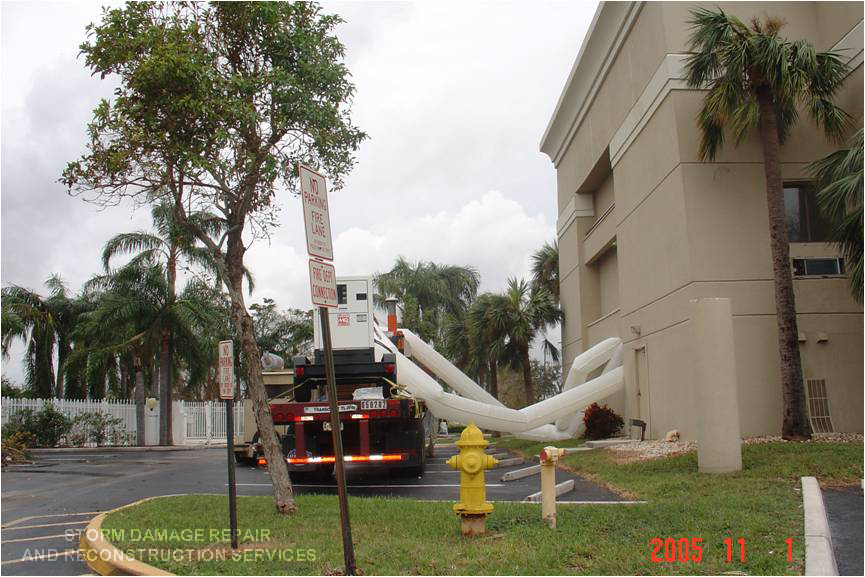
Severe storms can damage a home or business within minutes. High winds may tear shingles from a roof, break windows, damage siding, and send tree limbs into a building. Heavy rain can enter through damaged roofing or exterior walls, while flooding may affect floors, drywall, insulation, electrical systems, furniture, and important business equipment.
Storm damage restoration is the process of securing the property, removing water and debris, drying affected materials, cleaning contaminated areas, and completing repairs needed to restore the building.
Restoration Companies helps homeowners, landlords, property managers, and commercial property owners across the United States connect with local professionals for storm damage cleanup, emergency board-up, water extraction, structural drying, mold remediation, repairs, and reconstruction.
Service availability, response times, contractor licensing, insurance requirements, and available equipment vary by location. Property owners should confirm the qualifications, insurance, experience, and proposed scope of work of any restoration contractor before hiring.
Emergency Storm Damage Restoration
A damaged property may continue taking on water after the storm has passed. Missing shingles, broken windows, damaged doors, fallen trees, and openings in exterior walls can allow more rain and debris to enter.
Emergency storm restoration services may include:
- Emergency board-up
- Temporary roof tarping
- Tree and debris removal
- Water extraction
- Flood cleanup
- Structural drying and dehumidification
- Moisture inspection and monitoring
- Damaged material removal
- Content cleaning and pack-out services
- Mold remediation
- Roof, siding, window, and interior repairs
- Complete reconstruction
Temporary services such as tarping and board-up are designed to reduce further damage. They are not permanent repairs. A qualified contractor should inspect the property and explain what additional work is needed.
Types of Storms That Can Damage Property
Storm damage is not limited to hurricanes. Properties across the country may be affected by many types of severe weather.
Hurricanes and Tropical Storms
Hurricanes and tropical storms may bring high winds, heavy rain, storm surge, flooding, tornadoes, and flying debris. Damage may extend across entire communities, which can affect contractor availability and material delivery times.
Severe Thunderstorms
Thunderstorms may produce damaging wind, hail, lightning, and heavy rain. Wind-driven rain can enter beneath roofing materials or through openings around windows and doors.
Tornadoes
Tornadoes may cause severe roof, wall, window, and structural damage. A building should not be entered after major damage until emergency officials or qualified professionals confirm that it is safe.
Hailstorms
Hail can damage roofing shingles, flashing, gutters, siding, skylights, windows, vehicles, and outdoor equipment. Some hail damage is difficult to see from the ground.
Winter Storms
Snow, ice, and freezing temperatures may damage roofs, gutters, plumbing systems, and trees. Ice dams can allow water to move beneath roofing materials and into ceilings or walls.
Flooding
Heavy rain, storm surge, overflowing rivers, drainage failures, and rising groundwater can bring contaminated water into a property. Outdoor floodwater should not be treated as clean water because it may contain sewage, fuel, chemicals, soil, and debris.
Common Types of Storm Damage
Roof Damage
High winds may lift or remove shingles, damage flashing, loosen roofing panels, or create openings around vents and chimneys. Falling trees and branches may puncture the roof or damage structural supports.
Window and Door Damage
Flying debris and pressure changes may break glass or damage window and door frames. Broken openings should be secured to reduce rain entry, theft, animals, and further weather exposure.
Siding and Exterior Wall Damage
Wind, hail, and debris can crack siding, loosen panels, damage brick or stucco, and allow moisture to enter exterior walls.
Water Damage
Rain may enter through damaged roofing, siding, windows, doors, and foundations. Water may then spread through insulation, drywall, flooring, ceilings, cabinets, and other materials.
Flood and Storm-Surge Damage
Floodwater may affect several rooms or levels of a building. Contaminated water can damage porous materials and create health and safety concerns that require professional cleanup.
Tree Damage
Fallen trees and large branches may damage roofs, walls, decks, fences, garages, vehicles, utility lines, and nearby structures.
Electrical Damage
Water, lightning, fallen power lines, and damaged electrical equipment can create fire and shock hazards. Wet outlets, panels, wiring, and appliances should be inspected before use.
Interior and Content Damage
Stormwater can damage furniture, electronics, documents, clothing, artwork, inventory, equipment, and personal belongings. Some items may be restored when they are handled quickly.
What to Do Immediately After a Storm
Safety should come before cleanup or property protection. Do not enter a damaged building if there may be structural failure, electrical hazards, gas leaks, fire, sewage, or deep water.
-
Wait until authorities say the area is safe.
Follow evacuation orders and local emergency instructions. -
Stay away from fallen power lines.
Treat every downed line as energized and report it to the utility company. -
Watch for structural hazards.
Do not enter areas with collapsed roofs, leaning walls, sagging ceilings, or unstable floors. -
Check for gas odors.
Leave the area and call the gas utility or emergency services from a safe location if you smell gas. -
Avoid floodwater.
Floodwater may contain sewage, chemicals, sharp objects, and hidden electrical hazards. -
Contact a restoration company.
Emergency board-up, tarping, water removal, and drying should begin as soon as conditions are safe. -
Document the damage.
Take photographs and videos before moving or discarding items when it is safe. -
Contact your insurance provider.
Report the loss and ask about coverage, emergency repairs, deductibles, and documentation.
What Not to Do After Storm Damage
- Do not climb onto a damaged or wet roof.
- Do not enter standing water near electrical equipment.
- Do not touch fallen power lines or nearby objects.
- Do not remove large trees or branches resting on a building.
- Do not operate wet appliances.
- Do not use a household vacuum to remove water.
- Do not walk beneath sagging ceilings.
- Do not use a generator inside a home, garage, or enclosed area.
- Do not assume floodwater is clean.
- Do not begin major permanent repairs before documenting the damage and speaking with the insurer.
Emergency Board-Up and Roof Tarping
Board-up and roof tarping may help protect a damaged property from additional rain, wind, animals, vandalism, and unauthorized entry.
Board-Up May Be Used For:
- Broken windows
- Damaged doors
- Open wall sections
- Garage door damage
- Fire or impact openings
Roof Tarping May Be Used For:
- Missing shingles
- Tree impact damage
- Open roof sections
- Damaged flashing
- Areas allowing rain to enter
Roof tarping can be dangerous and should be completed by trained professionals. Wet surfaces, wind, damaged decking, and unstable roof sections create serious fall risks.
The Storm Damage Restoration Process
Each property requires a different recovery plan. The process depends on the type of storm, the amount of damage, water contamination, building materials, safety concerns, and the repairs required.
1. Safety and Emergency Assessment
The restoration provider evaluates immediate hazards and determines whether the property can be entered safely. Emergency services, utility companies, structural engineers, electricians, roofers, or tree professionals may need to respond before restoration begins.
2. Temporary Property Protection
Openings may be boarded or tarped to reduce further damage. Temporary fencing or other security measures may also be used.
3. Damage Inspection and Documentation
The restoration team inspects visible damage and identifies affected areas. Photographs, moisture readings, measurements, and written notes may be used to document the loss.
4. Water Extraction
Pumps and professional extraction equipment may be used to remove standing water. Faster extraction can reduce the amount of moisture absorbed by porous materials.
5. Removing Unsafe or Damaged Materials
Wet, broken, contaminated, or unstable materials may need to be removed. These may include:
- Drywall
- Insulation
- Carpet padding
- Ceiling materials
- Damaged flooring
- Particleboard cabinets
- Broken glass
- Roofing debris
6. Structural Drying and Dehumidification
Air movers, dehumidifiers, and moisture-monitoring equipment may be used to dry walls, floors, framing, and other materials.
The Environmental Protection Agency recommends drying wet materials within 24 to 48 hours when possible to reduce the chance of mold growth.
7. Cleaning and Contamination Control
Cleaning methods depend on the source of the water and materials involved. Floodwater and sewage require different procedures than rainwater that entered through a damaged roof.
8. Mold Remediation
Mold may develop when wet materials are not dried quickly. Remediation may include containment, air filtration, damaged material removal, surface cleaning, and structural drying.
Learn more about professional mold remediation.
9. Content Cleaning and Storage
Furniture, electronics, documents, clothing, equipment, and other contents may be evaluated for cleaning or replacement. Some companies provide pack-out, storage, and return services.
10. Repairs and Reconstruction
After the property is dry and clean, permanent repairs may begin. Reconstruction may include:
- Roof repair or replacement
- Window and door replacement
- Siding and exterior repairs
- Drywall and insulation replacement
- Flooring installation
- Ceiling repair
- Cabinet and trim replacement
- Painting
- Structural framing repairs
- Electrical, plumbing, and HVAC repairs
Water Damage After a Storm

Stormwater can move through roofing, walls, ceilings, floors, and insulation. Visible water may represent only part of the problem.
Possible Signs of Hidden Moisture
- Water stains on ceilings or walls
- Peeling or bubbling paint
- Soft drywall
- Swollen cabinets
- Warped flooring
- Musty odors
- Wet insulation
- Condensation in unexpected areas
Restoration professionals may use moisture meters and thermal imaging to help locate damp materials. These tools support the inspection but do not replace physical evaluation or professional judgment.
Floodwater Safety
Floodwater may contain sewage, chemicals, fuel, bacteria, sharp debris, and other hazards. Keep children and pets out of affected areas.
Protective equipment may be required during cleanup. Porous materials exposed to contaminated floodwater may need to be removed rather than cleaned.
If floodwater entered the HVAC system, the system should be inspected before it is operated. Running contaminated equipment may spread particles or odors through the building.
Fallen Tree and Debris Removal
Trees and large branches can place heavy loads on roofs, walls, decks, vehicles, and utility lines. Removing them without the correct equipment may cause more damage or serious injury.
A tree professional may need to stabilize or remove the tree before roofers, structural contractors, or restoration technicians can safely access the building.
Do not approach a tree or branch that is touching a power line.
Does Storm Damage Cause Mold?
Storm damage does not always lead to mold. Quick water extraction and drying may reduce the risk. Mold becomes more likely when porous materials remain wet for an extended period.
Materials That May Support Mold Growth
- Drywall
- Insulation
- Wood framing
- Carpet and padding
- Ceiling tiles
- Cabinets
- Furniture
- Stored boxes and paper
Surface cleaning alone may not solve the problem if moisture remains inside walls, floors, ceilings, or other hidden spaces.
How Long Does Storm Damage Restoration Take?
There is no standard timeline for every storm loss. A small roof leak may require a few days of drying and limited repairs. A property with major flooding, structural damage, mold, or complete roof failure may take weeks or months to restore.
Factors That Affect the Schedule
- Size of the affected area
- Type and level of water contamination
- Roof and structural damage
- Number of rooms affected
- Hidden moisture
- Mold growth
- Material and equipment availability
- Contractor demand after a major storm
- Permits and inspections
- Engineering requirements
- Insurance claim reviews
- Amount of reconstruction needed
Drying time should be based on moisture readings and the condition of the materials, not only a fixed number of days.
How Much Does Storm Damage Restoration Cost?
Storm restoration costs vary widely. A temporary roof tarp and limited water extraction may cost far less than repairing a collapsed roof or rebuilding several rooms.
Factors That Affect Cost
- Type of storm damage
- Emergency response and temporary protection
- Amount of water and debris
- Contamination level
- Structural damage
- Roof, siding, and window repairs
- Drying equipment and monitoring
- Mold remediation
- Content cleaning and storage
- Labor and material costs
- Permits and inspections
- Required reconstruction
A contractor should provide a written scope of work that explains the services, estimated costs, and conditions that may lead to additional charges.
Storm Damage and Insurance Claims
Insurance coverage depends on the policy, cause of damage, exclusions, deductible, and endorsements. Wind and hail may be handled differently from storm surge, river flooding, groundwater, or long-term leaks.
Standard homeowners and commercial property policies often do not cover outside flooding. Separate flood insurance may be required.
Helpful Insurance Documentation
- Photographs and videos of all affected areas
- A list of damaged belongings
- Temporary repair receipts
- Contractor estimates
- Moisture readings and drying records
- Emergency service invoices
- Roof, structural, or engineering reports
- Communication with the insurance company
Property owners generally have a responsibility to take reasonable steps to prevent additional damage when it is safe to do so. This may include temporary roof protection, board-up, and water removal.
A restoration contractor may help document the damage, but the insurance carrier decides whether the claim is covered.
Residential Storm Damage Restoration
Residential storm restoration may be provided for single-family homes, condominiums, townhouses, apartments, rental properties, and vacation homes.
Services may include roof tarping, board-up, water removal, drying, debris cleanup, mold remediation, content cleaning, and interior reconstruction.
Commercial Storm Damage Restoration
Storm damage can interrupt business operations, displace tenants, damage inventory, and prevent customers or employees from entering the building.
Commercial properties served may include:
- Apartment buildings
- Offices
- Retail stores
- Restaurants
- Hotels
- Warehouses
- Schools
- Medical facilities
- Manufacturing properties
- Religious facilities
- Government buildings
Commercial restoration may require phased cleanup, temporary access plans, equipment protection, tenant communication, and coordination with several contractors.
How to Choose a Storm Damage Restoration Company
Large storms often bring unfamiliar contractors into affected areas. Property owners should review any company carefully before signing an agreement or making a large payment.
Questions to Ask
- Is the company insured?
- Are contractor licenses required in this state or city?
- Does the company have experience with storm and flood losses?
- Are technicians trained in water damage restoration?
- Will the company provide a written estimate?
- How will emergency work be documented?
- Who will complete roofing, electrical, structural, or plumbing work?
- Will moisture levels be measured and recorded?
- Are repairs and reconstruction included?
- What payment schedule is required?
- What warranties apply?
Be cautious of contractors who use high-pressure sales tactics, demand full payment before work begins, or promise that insurance will cover every expense.
How to Help Reduce Future Storm Damage
No property can be made completely storm-proof, but regular maintenance and preparation may reduce damage.
Roof and Gutter Maintenance
- Inspect the roof regularly and after major storms.
- Replace missing or damaged shingles.
- Check flashing around vents, chimneys, and skylights.
- Clean gutters and downspouts.
- Direct water away from the foundation.
Tree Maintenance
- Remove dead or damaged branches.
- Have leaning or unhealthy trees inspected.
- Keep branches away from the roof and utility lines.
- Use qualified tree professionals for large work.
Window and Door Protection
- Consider approved storm shutters in hurricane-prone areas.
- Inspect seals around windows and doors.
- Repair loose frames and damaged glass.
- Use properly installed temporary protection when a storm is expected.
Flood and Drainage Preparation
- Test sump pumps and backup systems.
- Clear outdoor drains.
- Correct grading that directs water toward the building.
- Store valuable items above known flood levels.
- Consider flood barriers where appropriate.
- Review whether separate flood insurance is needed.
Emergency Planning
- Know how to shut off water, gas, and electricity safely.
- Keep emergency numbers available.
- Photograph the property before storm season.
- Keep insurance records in a secure location.
- Prepare emergency supplies and evacuation plans.
Storm Damage Restoration FAQs
Should I put a tarp on my roof myself?
Roof tarping can be dangerous, especially after wind or rain. A trained professional should complete the work when the roof is steep, wet, damaged, or unstable.
Can I stay in my home after storm damage?
That depends on structural safety, electricity, gas, water contamination, roof damage, mold, and access to safe bathrooms and sleeping areas. Emergency officials and qualified professionals can help evaluate the conditions.
Does all storm-damaged drywall need to be removed?
Not always. The decision depends on contamination, moisture levels, physical damage, and whether the material can be dried safely.
Can wet carpet be saved?
Carpet exposed to limited clean rainwater may sometimes be dried and cleaned. Carpet and padding exposed to contaminated floodwater often require removal.
When should drying equipment be removed?
Equipment should remain until moisture readings show that the materials have reached acceptable drying goals. It should not be removed based only on appearance.
Does homeowners insurance cover wind damage?
Many policies cover certain wind losses, but deductibles and exclusions vary. Coverage for named storms, hurricanes, and wind may differ by state and policy.
Does homeowners insurance cover flooding?
Standard homeowners policies usually treat outside flooding separately. A dedicated flood insurance policy may be required.
Can a restoration company handle the complete rebuild?
Some restoration companies provide both cleanup and reconstruction. Others work with roofers, builders, electricians, plumbers, engineers, and other licensed contractors.
How soon can mold grow after a storm?
There is no exact timeline for every property. Wet materials should be dried within 24 to 48 hours when possible to reduce mold risk.
Should I remove damaged items before the insurance inspection?
Document the items with photographs, video, and written lists before moving or discarding them when it is safe. Follow the insurer’s instructions and keep receipts for emergency expenses.
Request Storm Damage Repair and Reconstruction Services
Do not ignore roof openings, broken windows, wet ceilings, standing water, damaged walls, fallen trees, or musty odors after severe weather. Fast emergency protection and drying may help reduce further damage.
Restoration Companies helps residential and commercial property owners across the United States connect with local professionals for storm cleanup, emergency board-up, roof tarping, water extraction, structural drying, flood cleanup, mold remediation, repairs, and reconstruction.
Response times depend on location, road conditions, weather, contractor availability, local demand, and the size of the disaster. No arrival time should be considered guaranteed unless confirmed by the assigned provider.