Water Damage Restoration and Emergency Cleanup Services
Water damage can affect a home or business at any time. A broken pipe, leaking appliance, roof failure, sewer backup, storm, or flood may release water into walls, flooring, ceilings, cabinets, and other building materials.
Fast action is important because water can continue moving through a property after the visible source has stopped. Moisture may become trapped beneath floors, behind walls, inside insulation, or above ceilings. Without proper drying, the damage may spread and increase the risk of mold, odors, damaged materials, and costly repairs.
Restoration Companies helps homeowners, landlords, property managers, and commercial property owners across the United States connect with local professionals for emergency water removal, structural drying, damage cleanup, and property restoration.
Service availability, response times, licensing, certifications, and insurance requirements vary by location. Property owners should review the qualifications and proposed scope of work of any restoration contractor before hiring.
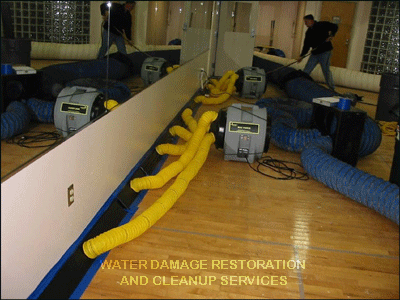
Emergency Water Damage Restoration
Water damage often requires more than surface cleanup. Removing standing water is only the first step. A complete restoration project may also involve moisture testing, structural drying, cleaning, odor control, mold prevention, damaged material removal, and reconstruction.
Emergency water damage services may include:
- Emergency water extraction
- Flood cleanup
- Sewage backup cleanup
- Structural drying
- Dehumidification
- Moisture detection and monitoring
- Carpet and flooring removal
- Drywall and insulation removal
- Content cleaning and pack-out services
- Cleaning and odor control
- Mold assessment and remediation
- Repairs and reconstruction
What Is Water Damage?
Water damage occurs when unwanted water enters a building or collects where it does not belong. The water may come from inside the property, outside the building, or below the ground.
Even a small leak can cause serious damage when it continues for a long time. Water may weaken drywall, stain ceilings, swell cabinets, damage flooring, ruin insulation, and create conditions that support mold growth.
Common Causes of Water Damage
- Burst or leaking plumbing pipes
- Water heater failures
- Washing machine supply line leaks
- Dishwasher overflows
- Refrigerator water line leaks
- Overflowing sinks, tubs, and toilets
- Sewer and drain backups
- Sump pump failures
- Roof leaks
- Storm and hurricane damage
- River, creek, or coastal flooding
- Foundation water intrusion
- Fire sprinkler discharge
- Firefighting water
- Air conditioning and condensate drain problems
Why Fast Water Removal Matters
Water can spread through porous materials and into hidden areas of a building. Carpet, drywall, wood, insulation, cabinets, and furniture may continue absorbing moisture even after standing water is removed.
The Environmental Protection Agency recommends drying wet building materials within 24 to 48 hours when possible. Quick water removal and professional drying may help limit mold growth and reduce the amount of material that must be replaced.
Property owners should not wait for mold, stains, or strong odors to appear before responding. Moisture may be present even when a wall, ceiling, or floor looks dry.
Understanding Water Damage Categories
Restoration professionals often classify water damage based on the level of contamination and the possible risks connected to the water source. These categories do not describe how much physical damage has occurred.
Water conditions can also change over time. Water that begins from a clean source may become contaminated after contacting dirty flooring, building materials, chemicals, or other substances.
Category 1 Water
Category 1 water begins from a sanitary source and does not initially pose a major contamination risk. It is sometimes called clean water.
Possible Category 1 Sources
- Broken water supply lines
- Overflowing sinks or tubs without contamination
- Rainwater that has not contacted contaminants
- Some appliance supply line failures
- Water heater leaks
Category 1 water can become more contaminated if cleanup is delayed or if it passes through dirty materials.
Category 2 Water
Category 2 water contains enough contamination that contact or consumption could cause discomfort or illness. It is sometimes called gray water.
Possible Category 2 Sources
- Washing machine discharge
- Dishwasher discharge
- Toilet overflow containing urine but no solid waste
- Some aquarium or waterbed leaks
- Water that has contacted contaminated materials
Protective equipment and proper cleaning procedures may be needed when Category 2 water is present.
Category 3 Water
Category 3 water is heavily contaminated and may contain harmful bacteria, viruses, chemicals, sewage, or other hazards. It is often called black water, but this term describes contamination and does not refer to the color of the water.
Possible Category 3 Sources
- Sewage backups
- Toilet overflows containing solid waste
- River and stream flooding
- Storm surge and seawater
- Outdoor floodwater
- Water containing chemicals or other hazardous materials
Category 3 water should be handled by trained professionals using proper protective equipment, containment, removal, cleaning, and disposal methods.
Is Rainwater or Stormwater Considered Clean?
Rainwater that enters directly through a small roof leak may begin with limited contamination. However, outdoor floodwater and stormwater can collect sewage, fuel, pesticides, soil, animal waste, debris, and other contaminants as it moves.
Water entering from streets, rivers, storm drains, coastal flooding, or rising groundwater should not be treated as clean. Avoid direct contact and keep children and pets away from the affected area.
Common Risks Connected to Water Damage
Damage to Building Materials
Water may weaken or destroy drywall, insulation, carpet, wood flooring, cabinets, ceiling materials, trim, and other finishes.
Some materials can be dried and restored. Others may need to be removed when they remain wet too long, lose strength, or become contaminated.
Hidden Moisture
Moisture can remain behind walls, below flooring, beneath cabinets, inside insulation, and in other concealed spaces. Hidden moisture may cause damage even after visible water has been removed.
Mold Growth
Mold may develop when building materials remain damp. The main concern is not one particular color or species of mold. Any unwanted indoor mold growth should be addressed by correcting the moisture source, removing contaminated materials when needed, and drying the property.
Learn more about professional mold remediation services.
Electrical Hazards
Standing water near outlets, appliances, wiring, or electrical panels can create a risk of shock or fire. Do not enter water where electrical equipment may be energized.
Contaminated Water
Sewage and floodwater may contain microorganisms, chemicals, sharp debris, and other hazards. Direct contact should be avoided.
Damage to Personal Property
Water may affect furniture, electronics, clothing, documents, photographs, artwork, equipment, inventory, and family belongings.
Some contents may be cleaned and restored when they are handled quickly. Porous items exposed to sewage or heavily contaminated water may need to be discarded.
Business Interruption
Water damage in an office, store, restaurant, hotel, warehouse, apartment building, or other commercial property may interrupt operations and affect employees, tenants, customers, and revenue.
What to Do After Discovering Water Damage
Your safety comes first. Do not enter an area that may contain electrical hazards, sewage, unstable building materials, chemicals, or deep water.
-
Make sure the area is safe.
Keep people and pets away from standing water, damaged ceilings, electrical equipment, sewage, and unstable materials. -
Stop the water source when safe.
Turn off the fixture valve or main water supply if the damage comes from plumbing and the shutoff can be reached safely. -
Contact emergency services when needed.
Call emergency responders for fire, gas leaks, structural danger, electrical risks, or other immediate hazards. -
Contact a restoration company.
Professional water extraction and drying should begin as soon as conditions allow. -
Document the damage.
Take photographs and videos of affected rooms, materials, and belongings when it is safe. -
Contact the insurance provider.
Report the loss and ask about coverage, deductibles, emergency repairs, and documentation requirements. -
Protect undamaged belongings.
Move dry furniture, documents, electronics, and valuable items away from the affected area when it can be done safely.
Should You Turn Off the Electricity?
Do not walk through standing water to reach a breaker panel. Water and electricity can create a deadly hazard.
If the electrical panel is dry and can be reached without entering the affected area, power may be turned off. When there is any uncertainty, contact the utility company, fire department, or a qualified electrician.
Electrical equipment that has been wet should be inspected before it is used again.
What Not to Do After Water Damage
- Do not enter standing water near electrical equipment.
- Do not use a household vacuum to remove water.
- Do not handle sewage or floodwater without protection.
- Do not turn on wet appliances.
- Do not assume walls and floors are dry based only on appearance.
- Do not use ceiling fixtures beneath a wet ceiling.
- Do not use fans when sewage, mold, or contaminated dust may be present.
- Do not delay professional drying while waiting for visible mold.
- Do not discard damaged property before documenting it when safe.
The Water Damage Restoration Process

Every water loss is different. The restoration plan depends on the water source, contamination level, affected materials, size of the loss, building design, and how long the property remained wet.
1. Emergency Contact and Safety Review
The restoration provider collects information about the source, affected rooms, standing water, possible contamination, electrical concerns, and property access.
No company can guarantee an exact arrival time in every situation. Response time depends on location, weather, road conditions, local demand, and technician availability.
2. Inspection and Moisture Assessment
The restoration team evaluates visible damage and may use moisture meters, thermal imaging cameras, and other tools to identify wet materials and hidden moisture.
The assessment may include:
- Locating the water source
- Determining the contamination category
- Identifying affected rooms and materials
- Checking walls, flooring, ceilings, and cabinets
- Looking for structural or electrical hazards
- Creating a drying and cleanup plan
3. Stopping or Controlling the Source
A plumber, roofer, appliance professional, or another contractor may be needed to repair the source of water. Restoration work cannot provide a lasting result if water continues entering the property.
4. Standing Water Extraction
Pumps and professional extraction equipment may be used to remove standing water. Fast extraction reduces the amount of water that can continue soaking into porous materials.
5. Removing Damaged or Contaminated Materials
Some wet materials may need to be removed so hidden areas can be cleaned and dried.
Materials commonly evaluated for removal include:
- Carpet padding
- Drywall
- Insulation
- Ceiling tiles
- Laminate flooring
- Particleboard cabinets
- Contaminated porous materials
The decision to remove a material depends on its condition, contamination, moisture level, and ability to be dried safely.
6. Structural Drying and Dehumidification
Air movers, dehumidifiers, and other drying equipment may be placed throughout the affected area. Equipment selection and placement depend on the size of the space and the materials being dried.
The contractor should monitor moisture levels during the project rather than relying only on a fixed number of drying days.
7. Cleaning and Odor Control
Restorable materials may be cleaned based on the water source and level of contamination. Odor treatment should be completed after contaminated materials and moisture have been addressed.
Disinfectants do not replace physical cleaning, material removal, or structural drying.
8. Content Cleaning and Pack-Out
Furniture, electronics, documents, clothing, and other belongings may be moved to a safe area for evaluation. A pack-out service may document, remove, clean, store, and later return restorable items.
9. Mold Remediation When Needed
Visible mold or growth discovered during demolition may require containment, air filtration, material removal, surface cleaning, and additional drying.
Mold remediation requirements vary by state. Some locations require separate licenses, assessments, or contractors for certain mold projects.
10. Repairs and Reconstruction
After the structure is dry and clean, repairs may begin. Reconstruction can include:
- Replacing drywall and insulation
- Installing new flooring
- Repairing ceilings
- Replacing cabinets and trim
- Painting
- Repairing damaged framing
- Rebuilding affected rooms
How Long Does Water Damage Restoration Take?
There is no single timeline for every loss. A small clean-water leak may be dried in a few days, while a large flood, sewage backup, or loss involving several rooms may take much longer.
The total schedule may depend on:
- The amount of water
- The contamination category
- How long materials remained wet
- The number of rooms affected
- The materials involved
- Hidden moisture
- Mold growth
- Permit and inspection requirements
- Material availability
- Insurance approvals
- The amount of reconstruction needed
Can Wet Materials Be Saved?
Some materials may be restored when the water source is sanitary and drying begins quickly. Other materials are difficult to clean or may lose strength after becoming wet.
Materials That May Sometimes Be Restored
- Some solid wood flooring
- Wood framing
- Tile and concrete
- Some furniture
- Washable fabrics
- Documents and photographs through specialty services
Materials That Often Require Removal
- Wet insulation
- Swollen particleboard
- Contaminated carpet padding
- Mold-damaged ceiling tiles
- Drywall affected by sewage
- Porous materials heavily contaminated by floodwater
The restoration contractor should explain why a material can or cannot be saved and document removal recommendations.
Sewage Backup Cleanup
A sewage backup may contain harmful microorganisms and other contaminants. Avoid direct contact and keep people and pets out of the area.
Professional sewage cleanup may include:
- Removing standing wastewater
- Using protective equipment and containment
- Removing contaminated porous materials
- Cleaning remaining surfaces
- Drying the structure
- Managing odors
- Repairing damaged rooms
Food, cosmetics, medicines, children’s items, and other sensitive products exposed to sewage may need to be discarded.
Flood Damage Cleanup
Floodwater from rivers, streams, streets, storm surge, and rising groundwater should be treated as contaminated. It may contain sewage, fuel, chemicals, debris, and sharp objects.
Do not enter a flooded building until authorities or qualified professionals determine that it is safe. Flooding can weaken floors, walls, stairs, and foundations.
If an HVAC system was flooded, it should be inspected before it is turned on because contaminated air or mold may be spread through the building.
Residential Water Damage Restoration
Residential restoration services may be provided for single-family homes, apartments, condominiums, townhouses, rental properties, and vacation homes.
Common residential losses include:
- Burst pipes
- Frozen plumbing
- Leaking water heaters
- Toilet overflows
- Appliance leaks
- Basement flooding
- Roof leaks
- Storm damage
- Sump pump failures
Commercial Water Damage Restoration
Commercial water damage can affect employees, tenants, customers, equipment, inventory, and daily operations. Restoration providers may work with property managers, facility teams, building owners, and insurance representatives to create a recovery plan.
Commercial properties served may include:
- Apartment buildings
- Offices
- Restaurants
- Hotels
- Retail stores
- Warehouses
- Schools
- Medical facilities
- Manufacturing buildings
- Religious facilities
- Government buildings
Water Damage and Insurance Claims
Insurance coverage depends on the policy, cause of the loss, length of time the condition existed, and exclusions. A sudden pipe failure may be treated differently from long-term seepage, poor maintenance, groundwater, or flooding.
Standard property insurance policies often handle outside flooding differently from water released by plumbing or appliances. Separate flood insurance may be needed for certain flood losses.
Helpful Insurance Documentation
- Photographs and videos
- A list of damaged items
- Moisture readings and drying records
- Inspection reports
- Estimates and invoices
- Receipts for emergency expenses
- Communication with contractors and insurers
A restoration company may help document the damage, but it cannot promise that an insurer will cover the claim. Coverage decisions are made by the insurance carrier according to the policy.
How to Choose a Water Damage Restoration Company
Restoration work can affect the health, safety, and value of a property. Before hiring a company, review its qualifications and proposed work carefully.
Questions to Ask
- Does the company have experience with this type of loss?
- Is the company properly insured?
- Are licenses required in this state or city?
- Do technicians hold relevant restoration training or certifications?
- Will moisture levels be documented?
- How will contaminated areas be contained?
- Which materials will be removed and why?
- Are repairs and reconstruction included?
- Will the company provide a written estimate?
- What services may create additional charges?
The Institute of Inspection, Cleaning and Restoration Certification publishes industry standards and offers training and certifications for water damage restoration professionals. Certification does not replace state licensing, insurance, or careful review of the contractor.
How to Help Prevent Future Water Damage
Not every water loss can be prevented, but regular inspections and maintenance may reduce the risk.
- Know where the main water shutoff valve is located.
- Inspect washing machine and dishwasher hoses.
- Check beneath sinks for moisture.
- Replace damaged refrigerator water lines.
- Inspect water heaters for leaks and corrosion.
- Repair dripping pipes and fixtures.
- Clean gutters and downspouts.
- Direct downspouts away from the foundation.
- Inspect the roof after storms.
- Test sump pumps before heavy rain.
- Use water leak alarms near appliances.
- Consider an automatic main water shutoff system.
- Disconnect outdoor hoses before freezing weather.
- Insulate exposed pipes in cold areas.
- Maintain air conditioning condensate drains.
Water Damage Restoration FAQs
How soon should water damage be cleaned up?
Water removal and drying should begin as soon as conditions are safe. Wet materials should be dried within 24 to 48 hours when possible to reduce mold risk.
Can I remove water with a household vacuum?
No. A standard household vacuum is not designed to remove water and may create an electrical hazard. Use equipment designed for water extraction or contact a professional.
How do restoration companies find hidden moisture?
Technicians may use moisture meters, thermal imaging cameras, probes, and visual inspection to identify wet areas behind walls, under floors, and inside other materials.
Does all wet drywall need to be removed?
Not always. The decision depends on the water source, contamination, length of exposure, condition of the drywall, and whether it can be dried completely.
Can carpet be saved after water damage?
Some carpet exposed to clean water may be cleaned and dried when action begins quickly. Carpet and padding exposed to sewage or heavily contaminated floodwater often require removal.
Will water damage always cause mold?
Not always. Quick extraction and drying may reduce the risk. Mold is more likely when moisture remains in porous materials for an extended period.
Is black water the same as black mold?
No. Black water is an industry term for heavily contaminated water. Black mold is a general phrase used for mold that appears dark. They describe different problems.
Can I stay in the property during restoration?
That depends on the contamination, affected area, noise, equipment, electrical conditions, air quality, and access to kitchens and bathrooms. The restoration company and other professionals can help evaluate the conditions.
How long should drying equipment run?
Drying time should be based on moisture readings and the materials involved, not only a fixed number of days. Equipment may run for several days or longer.
Does a restoration company repair the plumbing leak?
Some restoration companies offer repairs, while others work with plumbers, roofers, or appliance professionals. Ask who will correct the original source of water.
Does homeowners insurance cover water damage?
Some sudden and accidental losses may be covered, while flooding, long-term leaks, maintenance problems, and groundwater may be excluded. Review the policy and contact the insurance provider.
Request Water Damage Restoration Services
Do not ignore standing water, wet drywall, damaged flooring, sewage, musty odors, or moisture after a leak. Fast action may help reduce damage and increase the number of materials that can be restored.
Restoration Companies helps residential and commercial property owners across the United States connect with local professionals for water extraction, structural drying, sewage cleanup, flood restoration, mold remediation, content cleaning, and reconstruction.
Response times and service availability depend on location, weather, local demand, road conditions, and contractor availability. No arrival time should be considered guaranteed unless confirmed directly by the assigned restoration provider.
Authoritative Water Damage and Flood Cleanup Resources
-
Environmental Protection Agency: A Brief Guide to Mold, Moisture, and Your Home
-
EPA: Water Damage Cleanup and Mold Prevention
-
Centers for Disease Control and Prevention: Floods and Your Safety
-
CDC: Reentering a Flooded Home Safely
-
Federal Emergency Management Agency: Safe Flood Cleanup
-
IICRC: Standard for Professional Water Damage Restoration