Water Damage Restoration Near Me in Deer Park, New York
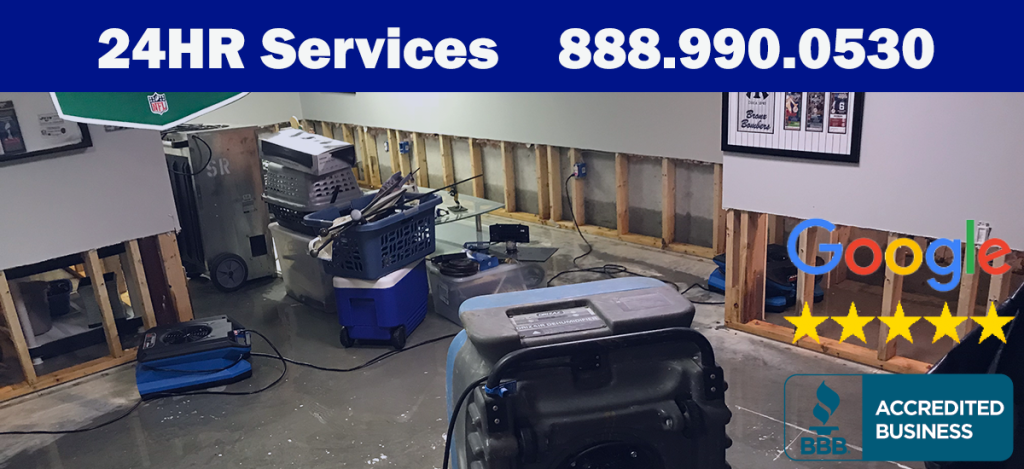
Restoration Companies Near Me helps homeowners, landlords, property managers, and commercial property owners respond to water damage, flooding, sewage backups, and plumbing failures. Our 24/7 response includes water extraction, controlled drying, cleaning, and repair planning to help stabilize the property and limit additional damage.
Water can move behind walls, beneath flooring, and into insulation before the visible problem seems severe. IICRC-certified technicians assess affected areas, use moisture meters, and document conditions so the work is based on the property’s needs rather than only what can be seen at first glance.
Need Water Damage Help in Deer Park? Call (888) 990-0530
We help with occupied homes, rental properties, offices, retail spaces, schools, and other commercial or institutional buildings. We work with all insurance companies and explain the next steps as the property moves from emergency cleanup toward repair.

Water Damage Cleanup for Homes and Businesses
Our water damage services can address burst pipes, appliance leaks, roof leaks, flooded basements, sewage or drain backups, and storm-related water intrusion. The first priorities are to identify the source when possible, remove standing water, and determine which materials may be cleaned, dried, or require further repair.
Water Damage Services
- Emergency water extraction
- Sewage and drain backup cleanup
- Basement and crawl-space drying
- Structural drying and dehumidification
- Cleaning and odor control
- Moisture documentation and repair planning
Why a Documented Restoration Process Matters
The goal is not simply to remove visible water. A careful assessment follows moisture into nearby rooms and building materials, while controlled drying helps manage humidity and airflow. Clear communication, documented readings, and regular monitoring help property owners understand what has been done and what decisions may be needed next.
What the Normal Restoration Process Looks Like
- Assessment: We inspect affected areas, consider the likely source, and look for hidden moisture.
- Water removal: Pumps and commercial vacuums remove standing water and saturated contents when appropriate.
- Drying setup: Air movers and dehumidifiers are placed to support controlled drying in affected materials and rooms.
- Monitoring: Moisture readings help track conditions in flooring, walls, ceilings, and other materials.
- Cleaning: Salvageable surfaces and contents are cleaned, with attention to odors and contamination concerns.
- Repair planning: After the property is stabilized, remaining repair or replacement needs can be identified.
What Makes Deer Park Unique for Property Owners
Deer Park is a hamlet and census-designated community within the Town of Babylon in Suffolk County, rather than an incorporated city. Its established residential neighborhoods sit alongside commercial storefronts, schools, community facilities, and industrial-use properties. That mix can affect access, scheduling, contents handling, and drying plans during a water-loss project.
The Deer Park Union Free School District operates multiple school facilities with classrooms, roofs, mechanical systems, and utility infrastructure. A water intrusion or plumbing failure in an occupied institutional building may require separation of affected areas and careful coordination around normal activities. Commercial and mixed-use properties along Deer Park Avenue, Long Island Avenue, Commack Road, and Bay Shore Road may have different access, contents, and operating-hour concerns than a single-family home.
The Carll River, Geiger Lake, and nearby drainage areas are relevant to owners of lower-level spaces and properties with limited site drainage, especially during intense rainfall. Sampawams Creek is identified in Town of Babylon materials near Deer Park’s eastern side. These features do not determine whether a specific property will flood, but they are useful reminders that site drainage, basement conditions, and local infrastructure should be considered during an assessment.
How Changing Seasons Can Affect Water-Loss Risk
Winter snow, ice, freeze-thaw cycles, roof problems, frozen plumbing, and storm-related power outages can contribute to interior water damage. Spring rain, saturated ground, clogged drainage, and runoff may increase the chance of basement seepage or localized flooding. Summer thunderstorms can bring short-duration heavy rainfall, roof damage, and poor-drainage flooding.
Late summer and fall tropical systems, coastal storms, strong winds, and prolonged rain can affect roofs, siding, basements, and utility areas. Year-round groundwater and wastewater conditions also matter in Suffolk County, where properties are connected to the Long Island aquifer system and some areas have had sewer or wastewater infrastructure planning. These are general seasonal considerations, not a property-specific flood determination.

What a Typical Water-Loss Project May Look Like
Imagine a hypothetical two-story rental property with a failed supply line under a kitchen sink. Water reaches the cabinet base, nearby flooring, and part of the room below. The restoration team first helps identify and stop the source, then extracts standing water and checks adjacent rooms for hidden moisture.
For immediate help with water damage in Deer Park, call (888) 990-0530 to discuss what happened and the next steps for your property.
Air movers and dehumidifiers are installed, and moisture readings are recorded during follow-up monitoring. After drying, salvageable surfaces are cleaned, damaged materials are separated for repair planning, and the property manager receives an explanation of the remaining work. This is a hypothetical property scenario, not a customer testimonial.

Nearby Water Damage Restoration Service Areas
Water damage can require coordination across nearby communities, especially when a landlord, property manager, or business owner oversees more than one location. For related local service information, see our pages for Wyandanch, Babylon, and Albany.
These nearby locations provide service-area information only. The appropriate response for any property depends on the source of the water, the materials affected, access conditions, and the findings of an address-specific assessment.
Water Damage Cleanup Pricing
Restoration costs depend on the water source, affected materials, property size, access, and the work needed to stabilize and dry the building. An assessment is the best way to understand the likely scope before repair decisions are made.
- Small water loss: $1,000–$3,500+
- Moderate water loss: $3,500–$7,500+
- Large water loss: $7,500–$15,000+
These prices are general reference points and are not a quote or estimate for a specific property. Actual restoration costs depend on the source and category of water, affected square footage, materials involved, length of exposure, equipment needs, demolition, cleaning, drying time, and repairs. The property must be evaluated before an accurate scope and price can be determined.
Frequently Asked Questions
What should I do first after water damage in Deer Park?
If it is safe, stop the water source and move people and valuables away from affected areas. Avoid electrical hazards and contact a restoration professional for assessment, extraction, and drying guidance.
Can water damage be hidden behind walls or under flooring?
Yes. Water may move into wall cavities, insulation, subfloors, cabinets, and nearby rooms. Moisture readings and a careful inspection help identify areas that are not visibly wet.
Do you help with sewage or drain backups?
Yes. Sewage and drain backups require careful removal, cleaning, and evaluation of affected materials. The appropriate work depends on the source, extent, and condition of the property.
How long does water damage restoration take?
The timeline depends on the amount of water, materials affected, building conditions, and drying progress. Monitoring helps determine when affected areas have reached appropriate conditions for the next stage.
Can renters or property managers request water damage help?
Yes. Renters should notify the property owner or manager while taking immediate safety steps. Property managers can coordinate access, occupants, contents, and documentation for the affected location.
Do you work with insurance companies?
The company works with all insurance companies. Property owners should still review their policy and contact their insurer as required. Restoration documentation can help explain the observed damage and work performed.
Can water-damaged materials be saved?
Some materials and contents may be cleaned and dried, while others may need repair or replacement. Decisions depend on the material, contamination concerns, how long it was wet, and the results of the assessment.
Do you provide water extraction and drying in commercial buildings?
Yes. Commercial and institutional properties may need extraction, controlled drying, cleaning, moisture documentation, and planning around occupants, operating hours, equipment, and access.