
Sewage, Water and Disaster Cleanup in Dublin, GA
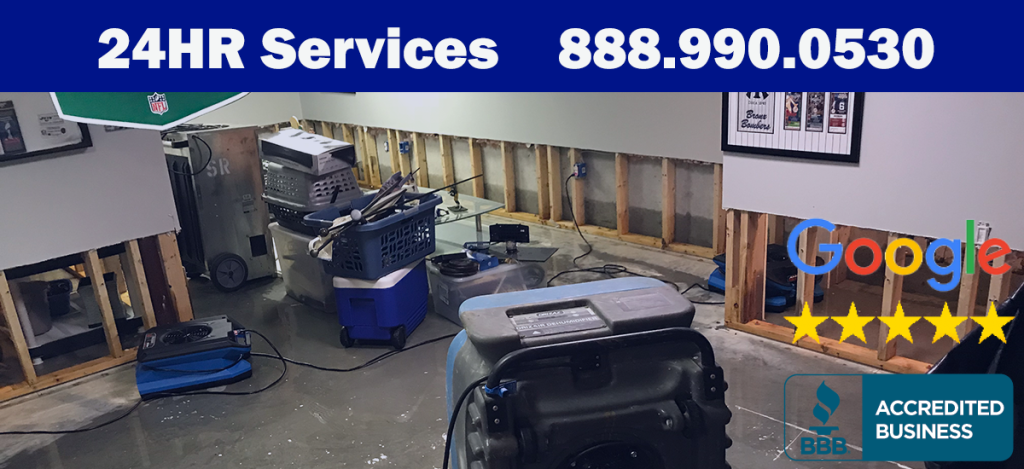

A backup needs controlled cleanup, while a leak can leave wet materials beyond the room where it first appeared. We help Dublin property owners with contaminated-water removal, drying and recovery after fire or storms. Call (888) 990-0530 to describe the damage and discuss the next available assessment.
Tell us about ongoing water, sewage and unsafe access before entering. Keep clear of wet electrical equipment and ceilings that appear unstable. Following a fire, wait for the officials responsible for the scene to confirm safe entry.
Keep the Contamination Within the Affected Space

Keep people and pets away from a toilet or sewer overflow. Avoid fixtures that worsen the backup and do not run ordinary fans across sewage. Tell us which drains were involved and whether water continues to rise.
We remove contaminated water and check which surfaces can be cleaned. Porous materials such as padding or insulation may need disposal after sewage exposure. Drying alone does not address contamination, so cleaning and removal decisions come before repairs.
Correct the Source Alongside Room Recovery
A plumber may need to clear or repair the line separately from cleanup. Our work addresses contamination and damaged materials already present. We discuss both tasks so a cleaner room is not mistaken for a resolved plumbing problem.
After water removal, moisture readings help us check affected materials. Those checks also apply to pipe or appliance leaks. Water can spread beneath flooring or appear later in an adjoining room, so mention changes after the original flow stops.
Explain What Can Remain Before Reconstruction

Contamination, deterioration and access to trapped moisture influence whether a material can be cleaned and dried. Some need removal before new finishes cover the area. We explain findings instead of rely on surface appearance alone.
Air movers and dehumidifiers support drying in suitable materials. Further readings show progress and guide equipment adjustments. A floor feeling dry does not establish the condition beneath its finish, so the next stage needs checking.
Smoke Residue and Firefighting Water
Once access is safe, we examine soot, smoke odors and affected contents, including rooms without visible burns. Avoid wiping residue or applying household products before the material and suitable cleaning method are checked.
Water used during firefighting can soak walls and floors elsewhere in the property. We include moisture checks alongside smoke cleanup. Tell us about essential belongings, and document damaged items before disposal when safety permits so cleaning possibilities can be discussed.
Storm Entry and Access While We Work
If outside water entered, tell us its route and whether an opening remains exposed. Temporary protection may be needed while permanent repairs are arranged. Contaminants and debris in outside water affect material and contents decisions.
We discuss equipment placement, spaces that should stay closed and paths for essential access. Let us know which rooms you depend on daily. Restrictions should be clear before contents movement or material removal changes the layout.
Document the Work and the Next Steps

We explain proposed cleanup and record affected areas, moisture findings and completed work. These records can support communication with your insurance adjuster. Ask about direct billing and coordination with repairs; your insurer determines coverage and payment.
For cleanup help in Dublin, call (888) 990-0530. Tell us the cause, affected spaces and anything that changed since discovery.
Questions About Cleanup and Recovery
What if using another fixture causes overflow?
Avoid fixtures that worsen the backup and keep people away from the contaminated area. Tell us whether flow continues so source control can be discussed.
Does a cleaned room mean the plumbing is fixed?
No. Cleanup addresses contamination and damage. A plumber may still need to correct the blockage or defect that caused the backup.
Can drying make sewage-soaked padding usable?
Drying alone does not address contamination. Absorbent materials exposed to sewage may need disposal while suitable surfaces receive cleaning and remaining-moisture checks.
Why check moisture after a fire?
Firefighting water can soak materials outside visible burns. We check wet areas alongside soot, smoke odors and contents so both types of damage receive attention.
Will direct billing guarantee claim payment?
No. We can discuss arrangements and provide damage and work records. Your insurer makes coverage and payment decisions under the policy.