
Duncanville, TX Water Damage and Disaster Restoration
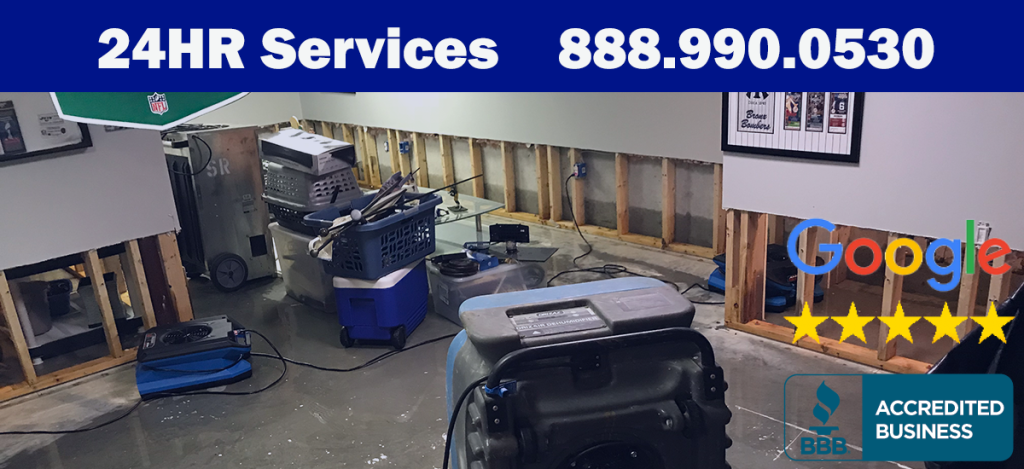

When a property emergency leaves wet rooms, contaminated materials or smoke residue, we help with cleanup and the work toward recovery. Our team handles water, sewage, fire and storm damage in Duncanville. Call (888) 990-0530 to tell us what happened and discuss an inspection.
Different Water Sources Leave Different Cleanup Needs
A failed supply line, sewer overflow and outside floodwater should not be treated as identical spills. Tell us where the water came from if known, whether it is still entering and which rooms were reached. We inspect the actual materials and conditions before explaining removal and drying.
Stay away from water near electrical equipment and a ceiling that is sagging. A safe, accessible shutoff may limit a plumbing leak, but do not cross a hazard to reach it. Wait for entry clearance after a fire and keep sewage-affected spaces restricted.

Extraction removes standing water. We then check floors, wall materials and connected areas for retained moisture. Water may travel beneath a covering or into an adjoining assembly beyond the visible puddle. Readings help identify affected material and where access is needed.
Know Why Materials Are Retained or Removed
Some materials may remain for drying. Others need disposal because of damage or contamination, or removal to reach moisture underneath. We explain the reason for an opening and the repair work left afterward rather than leave the next step unclear.
Air movers and dehumidifiers support drying of retained materials. Checks during the work show their response and guide equipment adjustments. Replacement finishes should follow the findings rather than conceal an area because the surface looks improved.
Keep Sewage Cleanup From Spreading

Keep children and pets out of wastewater, avoid tracking it into clean rooms and leave household fans off around the spill. Tell us which fixtures overflowed and whether plumbing service stopped the cause. A cleared drain does not remove contamination already inside.
We remove contaminated water, separate unsuitable absorbent material and clean suitable retained surfaces. Remaining wet structural materials still need drying. Discuss important belongings before movement or disposal so material, condition and cleaning possibilities can be evaluated.
Check Fire Effects Across the Affected Spaces
Once entry is safe, we examine soot, odor and water used during firefighting. Unburned rooms may still need attention. We explain the scope across those affected spaces and discuss contents requiring separate evaluation rather than promise every item can be restored.
Leave soot-covered finishes unwiped until the approach is selected. Rubbing or an unsuitable cleaner can smear residue or damage the surface. We identify affected material contributing to odor, while damaged electrical and structural components require appropriate specialists.
Source Repairs, Storm Protection and Documentation
Storm damage may involve debris and openings needing temporary protection. Roof, window or plumbing repairs should be coordinated with cleanup so another intrusion does not undo drying progress. Stopping a source and restoring wet rooms solve different parts of the loss.

Tell us which spaces occupants need during the work. We explain restrictions and equipment placement, and ask you to contact us before changing the setup. Photos, moisture findings and completed-work details document recovery and help explain remaining repairs.
Ask about direct insurance billing and records for the adjuster; your insurer determines coverage. Nearby pages include Cedar Hill, DeSoto and Lancaster. Call (888) 990-0530 with your Duncanville address and immediate concerns.
Questions About Cleanup and Recovery
Why ask where the water came from?
Its source and contamination affect handling and retention decisions. We also inspect the material condition rather than assume the source alone answers every cleanup question.
Can moisture remain beyond the puddle?
Yes. Water can travel under coverings or into adjoining assemblies. Inspection and readings help define the affected material and guide drying.
Does clearing a sewer finish the room cleanup?
No. It addresses the cause, but contamination and wet materials can remain inside. Removal, cleaning and drying handle those effects separately.
Why avoid wiping soot before evaluation?
Rubbing or an unsuitable cleaner can smear residue into a finish. The residue and surface determine the appropriate method.
What can the work records establish for insurance?
They document damage, findings and completed cleanup. Your insurer decides coverage under the policy; documentation does not guarantee payment.