
Water Damage and Disaster Recovery in Farmington, UT
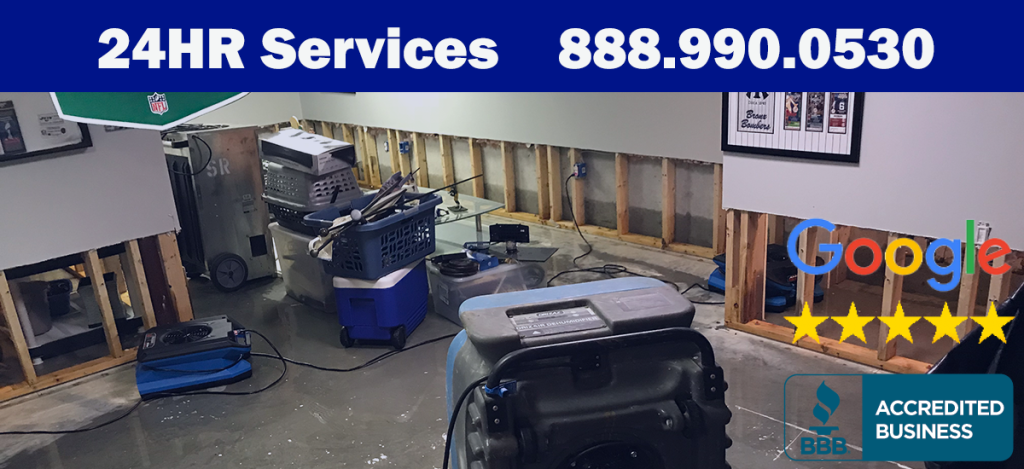

When a leak, sewage backup or fire damages your Farmington property, we help you understand the cleanup and the next steps toward recovery. At Disaster Cleanup Pros, we remove affected water, clean damaged spaces and explain what needs drying or removal before repairs. Call (888) 990-0530 with your address and a description of what happened.
Tell us about active water, sewage or unsafe access first. Keep away from standing water near wiring and electrical equipment, and keep people and pets out of contaminated rooms. After a fire, wait until the building is cleared for entry before retrieving belongings or trying to clean.
Find What Got Wet

A supply-line break or overflowing appliance can wet cabinets, flooring and spaces below the original leak. We check the source and the path water took, then remove standing water. Moisture readings help identify materials that remain wet beyond the first visible stain.
If a pipe burst during freezing weather, repairing the pipe and drying the building are separate jobs. A plumber may need to address the damaged line while we handle wet materials and contents. We’ll explain how those tasks fit together before repairs cover the affected space.
Drying Is More Than Clearing a Puddle
Our technicians use air movers and dehumidifiers to suit the rooms and wet materials. We take further readings to check progress and identify areas needing more attention. A floor that looks dry does not show the condition beneath it or inside an adjoining wall.
We’ll explain what can be evaluated for cleaning and drying and which materials need removal. Source, contamination and material condition affect that decision. Wet insulation or enclosed finishes should be checked before rebuilding moves ahead.
Sewage and Outdoor Water

A drain backup needs a contamination-focused approach. Close off the affected area, avoid tracking contaminated water into clean rooms and do not run household fans over sewage. Tell us which fixtures were involved and whether the flow has stopped.
Outdoor floodwater can carry contaminants and debris too. We remove affected water, clean salvageable surfaces and identify absorbent materials that cannot be cleaned in place. We’ll explain contents handling, disposal decisions and access restrictions while the work is underway.
Fire, Smoke and Storm Recovery
Fire cleanup can include soot removal, smoke odor treatment and cleaning affected contents. Water left by firefighters also needs drying attention. Once entry is cleared, we check rooms beyond the fire itself and explain what needs cleaning or removal before repairs begin.
For storm damage, tell us about roof openings, broken windows or water entering through a doorway. Temporary protection may be needed while permanent repairs are arranged. We’ll discuss how interior cleanup fits with the separate work needed to stop further entry.
Restore the Spaces You Need
For a home near Clark Lane, a business along Main Street or another property in Farmington, tell us which rooms are affected and how the building is occupied. A wet bedroom, shared tenant space or damaged stock area creates different practical needs. We’ll discuss equipment placement and which areas need to stay closed.
For nearby locations, see Kaysville, Centerville and Bountiful. Call us to confirm current availability for your address.
Know What Comes Before Repairs

We’ll walk you through our findings, the proposed cleanup and drying checks before work starts. Ask us which source repairs or rebuilding tasks need separate coordination. Photos, moisture readings and work details help document the loss for your adjuster.
Talk with us about direct insurance billing and the records needed for your claim; your insurer decides coverage. Call (888) 990-0530 with your Farmington location and the rooms affected so we can discuss the next available assessment and what you can do safely while waiting.
Questions About Cleanup and Recovery
Does a repaired pipe mean the cleanup is finished?
No. Wet flooring, walls and contents still need attention. We check moisture and explain the drying or removal needed alongside the source repair.
Can water remain hidden beneath flooring?
Yes. Moisture readings and inspections help us identify wet materials beyond the visible puddle. Further checks guide drying and later repair decisions.
Can sewage-soaked insulation be dried in place?
It may need removal instead. We check contamination and material condition and explain what can be cleaned or needs disposal.
Do rooms away from the fire need checking?
They can. Smoke and firefighting water can reach other spaces. We check those areas once safe entry is confirmed.
Will you explain which repairs are separate?
We’ll discuss the cleanup scope and any plumbing, roofing or rebuilding tasks that need separate coordination. Ask us how those stages fit together before work begins.