
Water Damage and Property Recovery in Franklin Park, PA
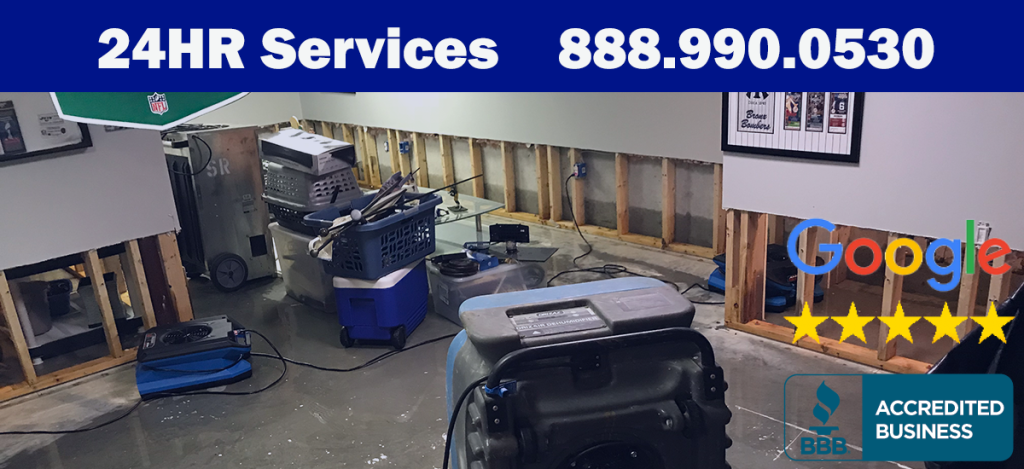

Once a leak stops, the affected room may still need cleaning and drying before repairs. At Disaster Cleanup Pros, we help Franklin Park property owners understand that work after water, sewage, fire or storm damage. Call (888) 990-0530 to describe what happened and which spaces are out of use.
Keep clear of water near electrical equipment and unstable ceilings. Close sewage-affected areas to people and pets. After a fire, wait until entry is cleared before checking belongings. Mention unsafe access and ongoing water first.
Separate the Source Repair from Interior Cleanup

A plumber, roofer or another specialist may need to correct the failure that caused the loss. We explain what that repair addresses and what damage remains inside. Stopping additional entry does not remove moisture or contamination already present.
We extract standing water and check connected materials. Water can remain beneath floors, behind cabinets or in rooms below a leak. Readings help locate what needs attention beyond the first visible stain or puddle.
We explain cleaning, removal and drying decisions based on source and condition. Some finishes can remain, while damaged padding, insulation or contaminated absorbent materials may require disposal. Not every wet material is suitable to retain.
Review Belongings and Access Before Drying
Tell us about essential rooms, furniture, stored contents and equipment in the work area. Avoid placing contaminated belongings beside clean possessions. Their exposure and condition guide handling and evaluation alongside the building work.
Air movement and dehumidification help remove moisture from retained materials. We check readings during the work and explain where more attention is needed. A surface feeling dry cannot show the condition of enclosed layers.
Ask about findings before replacement finishes cover the area. We discuss restrictions and equipment placement around access needs. Ask before moving equipment or switching it off so its role in drying can be reviewed.
Keep Sewage and Floodwater Work Contained

A sewer or toilet backup needs controlled removal and suitable cleaning. Close the affected room and avoid household fans over sewage. We clean salvageable surfaces and identify porous materials that cannot be effectively cleaned.
Avoid tracking dirty water through unaffected rooms. Tell us if the backup continues so plumbing needs can be considered. Drying alone does not remove contamination left in a material that needs cleaning or disposal.
Outdoor floodwater also needs a contamination review. If storm damage leaves a roof or window exposed, temporary protection may be needed while permanent repairs are arranged. Tell us where water entered and whether that exposure remains.
Include Smoke Residue and Firefighting Water

Once safe entry is confirmed, we check soot, smoke odors and wet materials. Tell us about affected belongings and connected rooms beyond the burned space. Contents and building surfaces may need different cleaning methods or separate evaluation.
Avoid scrubbing soot before the residue and surface are checked. We discuss suitable options and possible replacement needs. Odor treatment should address remaining sources rather than cover the smell with fragrance.
Keep Recovery Decisions Documented
We describe proposed cleaning, removal and drying and identify separate repair arrangements. If you manage or rent the property, tell us who can approve work and provide entry. Keep copies of authorizations and correspondence so responsibilities stay clear.
Ask us to clarify the scope before approving work. Drying findings and remaining cleanup should be understood before replacement finishes conceal the area. Keep your notes about the loss with the job records.
Photos, moisture records and work descriptions help document damage for your adjuster. Ask us about direct billing and available records. Your insurer determines coverage under your policy.
Call (888) 990-0530 with your Franklin Park address and the immediate concern. We’ll discuss the damage and the next available assessment.
Questions About Cleanup and Recovery
What remains after the source is repaired?
Water or contamination already inside may still need removal, cleaning and drying. We explain those tasks separately from the cause repair.
Can a clean-looking finish hide moisture?
Yes. Water can remain beneath flooring or inside enclosed materials. Readings help guide drying decisions.
Should wet equipment go into a clean room?
Discuss exposure and handling first, especially after sewage or outside water. Avoid carrying contamination into unaffected spaces.
What should stay undisturbed after smoke damage?
Leave soot-covered surfaces alone until the residue and method are checked. Tell us about odors and damp belongings too.
What should I ask before replacement work?
Ask about drying findings, remaining cleanup and separate repairs. Keep the scope and approvals for reference.