
Disaster Cleanup and Water Damage Restoration in Greendale, WI
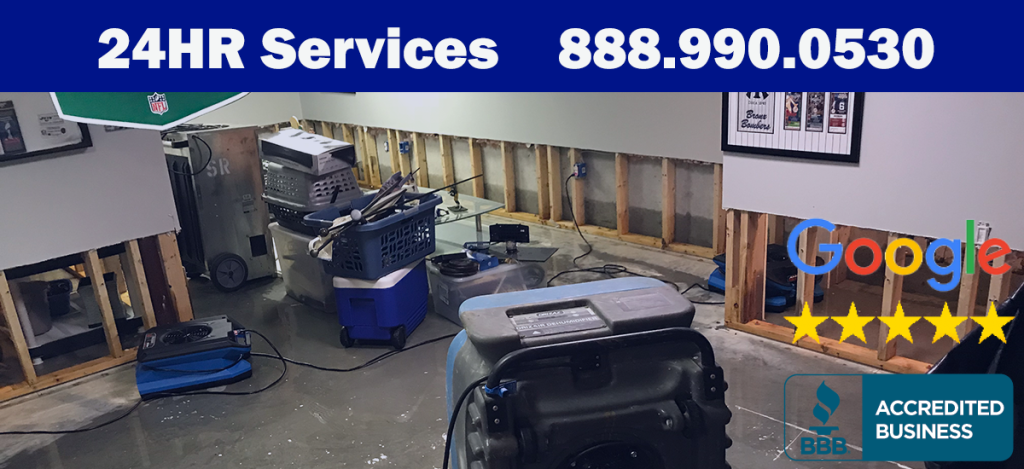

Water in a basement, a drain backup or smoke damage after a fire can interrupt everyday life at your Greendale property. At Disaster Cleanup Pros, we help clean the affected spaces, check the wet materials and work toward recovery. Call (888) 990-0530 to explain the damage and discuss an assessment.
Tell us first if water is still running or a room contains sewage or an electrical hazard. Keep people and pets away from contaminated areas and standing water near appliances. Use the plumbing shutoff only if it is safe to reach, and wait for clearance before entering after a fire.
Basement Water and Plumbing Leaks

Where the water first appeared helps us understand the work needed. A floor drain, failed sump pump and leaking supply line point to different source problems. We assess the affected area, remove standing water and check adjoining rooms or enclosed spaces that may also be wet.
Tell us whether the water followed rain, a plumbing failure or a power outage. We’ll explain our cleanup scope and when a plumber or drainage specialist needs to address the source. Replacing a wet finish does not resolve a leak or backup that is still active.
Evaluate Materials Before They Are Covered
Water beneath flooring or inside walls is not always visible from the room. Our technicians use moisture readings to identify affected materials and monitor drying. Air movers and dehumidifiers help remove remaining moisture where the assessment shows they are needed.
We’ll explain what can be evaluated for drying and which materials should be removed. Wet carpet padding, insulation and enclosed finishes each need attention according to their condition. The drying findings help guide repairs rather than relying on how a surface looks or feels.
Cleanup After a Sewer Backup

A toilet overflow or sewer drain backup needs controlled removal and cleaning. Avoid tracking water into clean rooms and do not run household fans over sewage. Keep the area closed while we assess contamination and the materials involved.
Our team removes affected water and cleans salvageable surfaces. Some porous materials that absorbed sewage may need disposal instead of drying in place. We’ll discuss contents handling, access restrictions and any separate plumbing repair needed before the room can move toward recovery.
Fire Recovery and Stormwater Damage
After a fire, we assess soot, smoke odors and contents along with water left by firefighters. Once entry is cleared, rooms beyond the fire itself may need inspection too. We’ll explain what needs cleaning, drying or removal before repair work starts.
For storm damage, describe how water entered and whether the building has a roof opening or broken window. Temporary protection may be needed while repairs are arranged. We assess outdoor water for contamination before choosing the cleaning approach and handling wet materials.
Work That Fits Your Greendale Home or Business
Whether your home is in Original Greendale or your business is elsewhere in the village, tell us which spaces are affected and how they are used. A wet bedroom, shared tenant area or customer room creates different practical needs. We’ll discuss equipment placement and the areas that should stay closed.
For nearby locations, see Greenfield and Franklin. Talk with us about current availability for your address.
Clear Next Steps and Insurance Documentation

We’ll explain our findings, the proposed cleanup and which repairs are separate from mitigation. Photos, moisture readings and work records help document what happened. Ask us about direct insurance billing and the records your adjuster needs; coverage is determined by your insurer.
Call (888) 990-0530 with your Greendale address and the rooms affected. We’ll discuss the immediate problem, the next available assessment and what you can do safely while waiting.
Questions About Cleanup and Recovery
What information helps with a basement assessment?
Tell us where the water appeared and whether a drain, sump pump or pipe was involved. Mention rain or a power outage if either happened at the time.
Can you check for moisture inside walls?
We assess affected materials and use moisture readings to locate areas needing attention. We’ll explain what the findings mean for drying or removal.
Can I use household fans over sewage?
No. Keep the contaminated space closed and avoid spreading the water. We assess the source and materials before controlled cleanup.
Do you check smoke damage beyond the fire room?
Yes. Smoke and firefighting water can reach other spaces. We assess those areas after the building has been cleared for entry.
When will you explain which repairs are separate?
We’ll discuss the proposed cleanup and the source repairs or rebuilding tasks that need separate coordination. Ask us how the stages fit together before work begins.