Restoration Company Near Me in DeKalb, Illinois
A leak, sewage backup, storm, or broken pipe can make your DeKalb home or business unsafe fast. Shut off the source only if you can do so safely. Stay away from electrical hazards, damaged structures, and dirty water. When you call, tell us what happened, which rooms are wet, and whether access is limited so our team can plan the first inspection.
Need Water Damage Help in Dekalb? Call (888) 990-0530
The inspection covers the source, the path the water took, and moisture behind walls and other finishes. Before cleanup begins, our team explains the safety risks, what the inspection found, and what happens next. Acting early limits additional damage and helps determine whether the property is safe to use.
How Water Damage Cleanup Works
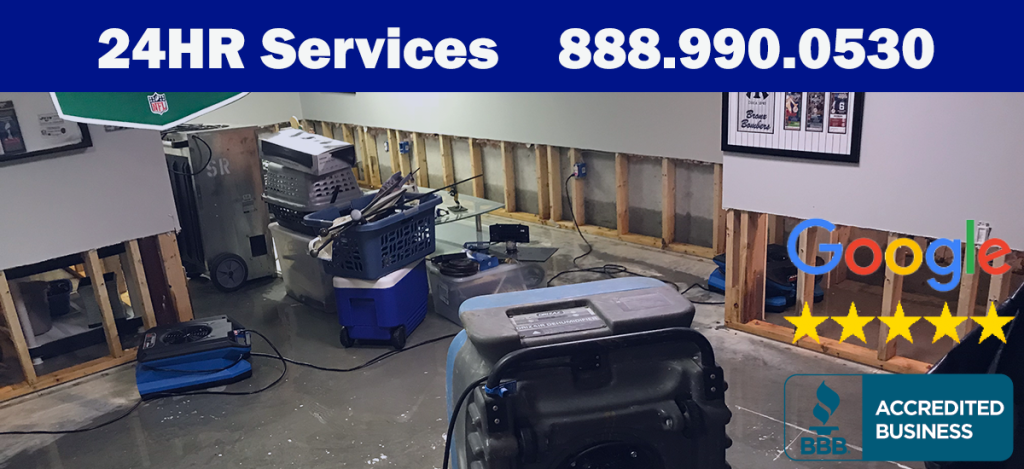
Standing water is removed first, and items that can still be saved are protected. Moisture readings guide the drying plan because water travels under floors, behind baseboards, inside cabinets, and through walls. A dry surface does not prove the area is dry, so air movers and dehumidifiers remain in place until readings show that the materials are dry.

Our technicians check moisture again and move equipment as conditions change. The work includes drying walls, floors, and framing, cleaning surfaces that can be saved, and recording damage to help plan repairs. You receive updates about the readings, cleanup, and what can or cannot be saved.
Basement, Sewer, and Storm Cleanup
Basement water often comes from a failed sump system, a broken pipe, seepage, or runoff. Sewage requires extra protection because dirty water carries harmful germs. Do not enter water near electrical equipment or damaged structures. Leave the area and follow directions from the proper utility or emergency agency.
Seasonal Water-Loss Risks
DeKalb winters can split pipes, hose bibs, sprinkler parts, and plumbing in unheated spaces. Freeze-thaw cycles also worsen leaks in roofs, masonry, pavement, and foundations. Spring and summer storms can overload drains or push runoff toward low areas near the South Branch of the Kishwaukee River, so follow current flood guidance during an active event.
Flood risk depends on the parcel, elevation, drainage, and access conditions. Check current City of DeKalb and FEMA information instead of judging risk by a neighborhood name. The inspection helps distinguish a plumbing loss from seepage or outside drainage, each of which requires a different repair plan.

Restoration for DeKalb Properties
DeKalb has older homes, student housing, downtown storefronts, university buildings, medical facilities, and industrial sites. Plaster, masonry, hardwood, and older plumbing need a careful inspection because rushed removal can cause more damage. In Downtown DeKalb, shared entrances, upper floors, mixed-use spaces, and small staging areas affect how equipment and materials move.
Northern Illinois University has residence halls, academic buildings, athletic spaces, and support facilities. Occupied properties need a clear entry plan, protection for contents, and controlled access to limit disruption. Offices, warehouses, hospitals, and multi-tenant buildings require the same planning.
Near I-88 and the area’s commercial corridors, loading areas, paved surfaces, snow, and traffic can affect access. Before treating basement seepage as a simple plumbing loss, our team checks the building and nearby drainage.

Documentation and Service Areas
Our team records visible damage, moisture readings, equipment locations, and each cleanup step. Your insurer, not the restoration team, decides coverage, so keep your adjuster informed while we explain site conditions and document the work. Cleanup should begin before repairs cover wet materials or hide remaining moisture.
Access plans matter for campuses, hospitals, commercial buildings, and occupied homes. Tell us about parking, loading, entry, or weather limits when you call so we can plan the inspection safely. Service also extends to nearby communities, including Sycamore, Illinois.

Get Help With Water Damage
If you find active water, stop the source only when it is safe and keep people away from electrical hazards and dirty water. When requesting an assessment, describe the source, wet areas, safety concerns, and access limits. Our team will look for hidden moisture and explain what should happen next.
Water Damage Cleanup Pricing
Pricing depends on the water source, affected materials, drying needs, access, and repair scope. An inspection helps define the work before cleanup and repairs proceed.
- Small water loss: $1,000–$3,500+
- Moderate water loss: $3,500–$7,500
- Large water loss: $7,500–$15,000+
These prices are general reference points and are not a quote or estimate for a specific property. Actual restoration costs depend on the source and category of water, affected square footage, materials involved, length of exposure, equipment needs, demolition, cleaning, drying time, and repairs. The property must be evaluated before an accurate scope and price can be determined.
For immediate help with water damage in Dekalb, call (888) 990-0530 to discuss what happened and the next steps for your property. We’ll explain what should happen first based on the conditions you describe.
What Our Customers Say
We had a water damage emergency when our sump pump broke and our basement flooded. We needed help quickly, and they sent out a crew to extract water and dry the carpeting. We could not be more grateful.
William Devers
Frequently Asked Questions
What should I do first after water damage in DeKalb?
Shut off the water source only if it is safe, keep people away from electrical hazards and dirty water, and contact a restoration team. Tell us where the water came from, which areas are wet, and whether access is limited.
How quickly should water damage cleanup begin?
Cleanup should begin promptly after the area is safe. Early water removal and drying help limit additional damage and prevent wet materials from being covered during repairs.
Will you check behind walls and under flooring?
Yes. We use moisture readings and inspection findings to look for water under flooring, behind baseboards, inside cabinets, and within walls or framing.
Is sewage cleanup safe to handle myself?
Sewage cleanup is not safe to enter without proper protection, especially near electrical equipment or damaged structures. Keep people away from the area and follow directions from the proper utility or emergency agency.
Can you help with basement seepage and storm water?
Yes. We inspect the basement, building materials, and surrounding drainage to separate storm runoff or seepage from a plumbing loss and guide the cleanup plan.
How do you dry a water-damaged property?
We remove standing water, place air movers and dehumidifiers, and monitor moisture in affected materials. Equipment is adjusted as readings change until the drying work is complete.
Do you work with insurance companies?
Yes, the company works with all insurance companies. Your insurer decides coverage, while the restoration team documents site conditions, moisture readings, equipment, and cleanup steps.
What information should I provide when I call?
Provide the water source, affected rooms, safety concerns, property type, and access limits. Parking, loading, tenant, campus, or weather restrictions also help the team plan the inspection.