
Restoration Company Near Me in Ada, Oklahoma
Water, sewage, fire or storm damage in Ada needs a clear plan for cleanup and recovery. Disaster Cleanup Pros helps you find local restoration options for your home or business. Tell the provider what happened, whether water is still entering and which rooms are affected.
Need Water Damage Help in Ada? Call (888) 990-0530
Keep people and pets out of sewage and floodwater. Don’t enter standing water near electrical equipment or damaged wiring. If you can safely reach the water shutoff without crossing a wet area, stop the source; otherwise, wait for qualified help.
The first assessment identifies the source, the path the water took and the materials that got wet. Technicians check nearby rooms and hidden spaces, then explain what needs extraction, cleaning, drying or removal. Ask about local availability, technician certifications and direct insurance billing when you call.

Water Damage Cleanup and Structural Drying
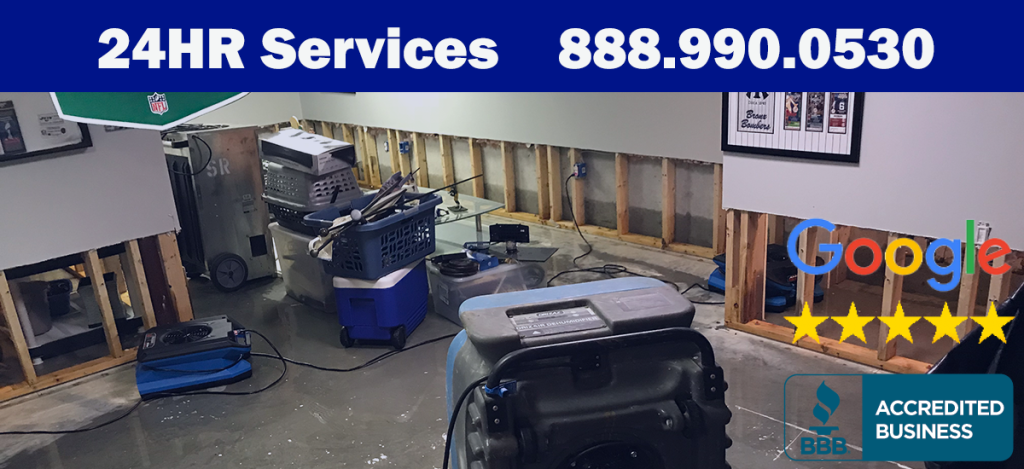
Removing the puddle is only the start. Extraction equipment removes standing water, while air movers and dehumidifiers help dry floors, walls and framing. Moisture readings show where water remains and help the crew track progress.
Property Emergency Cleanup and Recovery
- Water extraction and structural drying
- Sewage backup cleanup
- Fire and smoke damage cleanup
- Storm and flash-flood recovery
- Mold remediation
- Emergency board-up and temporary protection
Water travels under flooring and behind trim, so the visible stain doesn’t always show the full affected area. Technicians inspect connected spaces and check materials before deciding what can be cleaned or saved. Drying and repair decisions follow those findings rather than a fixed timetable.
Sewage Backups and Contaminated Water
Sewage and contaminated floodwater need a different approach from a clean-water leak. Avoid walking through the affected space or spreading water to other rooms. Don’t run household fans over sewage or try to clean porous materials with ordinary household products.
The cleanup plan separates the affected area, removes contaminated water and identifies materials that cannot be cleaned. Salvageable surfaces need suitable cleaning and disinfection before the drying work is complete. The provider should explain access restrictions and the next steps for the space.
Fire and Smoke Damage Recovery
Fire damage often includes soot, smoke odors and water left by firefighting. Cleanup starts with safe access and an assessment of affected rooms and contents. The plan should address residue on surfaces, smoke that spread beyond the fire and wet building materials.
Odor treatment follows source cleanup rather than covering up the smell. Contents are evaluated for cleaning or removal according to their condition. Ask whether temporary board-up or other protection is needed before repair work begins.

Storm Damage and Flash-Flood Cleanup
Heavy rain, roof damage and overflowing drainage can send water into a building quickly. Floodwater can contain sewage, chemicals and debris, even when it looks clear. Stay out of moving water and wait until the property is safe to enter.
Restoration work addresses water and debris removal, cleaning, drying and damage records. A roofer, plumber or utility may also need to correct the source. Report active leaks and unsafe conditions so the response plan fits the actual loss.
Homes, Rentals and Commercial Properties
A small home, an apartment building and a commercial space have different access and occupancy needs. Tell the provider about shared walls, upper floors, tenants, business hours and any blocked entrances. Those details help with inspection access and equipment staging.
For occupied properties, ask which areas need to stay closed and how the work affects normal use. Keep a record of the rooms and contents affected. Mold, persistent odors and hidden moisture should be assessed as part of the loss rather than treated as cosmetic issues.

Local Property Context in Ada, Oklahoma
Neighborhoods, nearby waterways and street layout help explain local conditions, but they don’t establish what happened at a particular address. Use these researched details as background for the property assessment.
- East of Mississippi: Ada adopted this area as one of four neighborhood-plan areas in 2025. The plan framework addresses land use, transportation, infrastructure, housing conditions, and redevelopment, making those factors relevant when evaluating residential access and property restoration logistics.
- Hammond Heights: Hammond Heights is one of Ada’s formally identified neighborhood-plan areas. City planning materials connect the neighborhood plans with aging housing stock, infrastructure, mobility, and redevelopment considerations that can affect water-loss assessment and work sequencing.
- Southwest Neighborhoods: The Southwest Neighborhoods area is included in Ada’s adopted neighborhood planning framework. Its relevance is practical rather than promotional: future land use, housing, infrastructure, and transportation planning can influence property access and restoration coordination.
- South Canadian River: Pontotoc County’s northern boundary includes the South Canadian River and associated floodplains. Riverine flooding and overbank conditions can affect low-lying properties, transportation routes, utilities, and access even when a specific Ada parcel requires separate flood-map verification.
- Blue River: The Blue River and its headwaters are identified among the county’s significant waterways. Local drainage near tributaries can contribute to flash flooding, saturated ground, road access issues, and water intrusion after heavy rainfall.
Seasonal Restoration Concerns in Ada
These are typical seasonal patterns, not a current forecast or a finding about your property. The cause and extent of a loss still need an on-site assessment.
Spring
Ada’s spring transition commonly combines stratiform rain with convective thunderstorms, and Oklahoma’s severe-weather season makes heavy rainfall, flash flooding, wind damage, and roof-related water entry important restoration considerations. County hazard planning identifies flash flooding and urban flooding as local risks.
Summer
Typical summer precipitation in Oklahoma is mainly convective, produced by thunderstorms and storm complexes, while heat increases drying demand and can accelerate secondary damage when wet materials remain untreated. Ada-area climate summaries identify May as especially wet and July-August as hot periods.
Fall
Autumn remains a secondary severe-weather season in Oklahoma, with both thunderstorms and broader rain systems possible. In Ada, changing temperatures and intermittent heavy rainfall can create roof, drainage, and moisture-intrusion calls, while access and drying conditions may vary substantially by event.
Winter
Winter precipitation is generally more widespread and stratiform than summer rainfall, with rain dominant in southern Oklahoma but occasional freezes possible. Cold snaps can create plumbing and pipe-freeze exposure, while winter moisture and limited drying capacity may lengthen restoration timelines.

Insurance Documentation and Your Next Step
Ask the restoration provider about damage photos, moisture records, the proposed scope and direct insurance billing. Your insurer decides coverage under your policy. Keep copies of the claim information, work records and messages you receive.
Disaster Cleanup Pros helps you find restoration options after a property emergency. When you call, have the address, type of damage and any immediate safety concerns ready. Ask what happens next and what you should avoid doing while help is arranged.
Local Planning Resources
Review the research behind the local background and seasonal information:
Water Damage Cleanup Pricing
Restoration costs depend on the source, contamination, materials, equipment and work identified during the assessment. Ask for a property-specific scope before making repair decisions.
- Small water loss: $1,000–$3,500+
- Moderate water loss: $3,500–$7,500
- Large water loss: $7,500–$15,000+
These prices are general reference points and are not a quote or estimate for a specific property. Actual restoration costs depend on the source and category of water, affected square footage, materials involved, length of exposure, equipment needs, demolition, cleaning, drying time, and repairs. The property must be evaluated before an accurate scope and price can be determined.
For immediate help with water damage in Ada, call (888) 990-0530 to discuss what happened and the next steps for your property. We’ll explain what should happen first based on the conditions you describe.
What Our Customers Say
We had a water damage emergency when our sump pump broke and our basement flooded. We needed help quickly, and they sent out a crew to extract water and dry the carpeting. We could not be more grateful.
William Devers
Frequently Asked Questions
What should I do first after water damage in Ada?
Keep away from standing water near electricity and avoid sewage or floodwater. Stop the source only if you can reach the shutoff safely. Tell the restoration provider what happened and which rooms are affected.
How does structural drying work?
After extraction, technicians use air movement and dehumidification to dry affected materials. Moisture readings help track progress and identify hidden wet areas. The time needed depends on the actual conditions.
Should I use fans after a sewage backup?
Don’t run household fans over sewage or contaminated water. Keep people and pets out of the area and arrange an assessment for controlled cleanup and drying.
Does insurance cover restoration?
Your insurer decides coverage under your policy. Ask the provider about photos, moisture records, the proposed scope and direct billing support.
Can I stay in the property during cleanup?
That depends on the hazards, rooms affected and work required. Ask the provider which areas must remain closed and whether other qualified professionals need to assess the property.
Can wet flooring and contents be saved?
The source of water, contamination and condition of each material affect that decision. The provider should assess items and explain cleaning, drying or removal options.
Is fire cleanup different from water cleanup?
Fire cleanup can involve soot, smoke odors, damaged contents and water used by firefighters. The assessment should cover each affected area and the work needed before repairs.