Flooded Basement Cleanup, Water Removal, and Restoration Services
A flooded basement can damage flooring, drywall, insulation, furniture, appliances, stored belongings, and important building systems. Water may enter suddenly during a storm or develop slowly because of a plumbing leak, foundation problem, failed sump pump, or sewer backup.
Fast action can help reduce damage, but safety should always come first. Standing water may hide electrical hazards, sewage, chemicals, sharp objects, or damaged flooring. Do not enter a flooded basement until it is safe to do so.
Restoration Companies helps homeowners, landlords, property managers, and commercial property owners across the United States connect with local professionals for basement water removal, flood cleanup, sewage cleanup, structural drying, mold remediation, damaged material removal, and reconstruction.
Service availability, response times, licensing requirements, certifications, and insurance rules vary by location. Property owners should review the qualifications, insurance, experience, and proposed scope of work of any contractor before hiring.
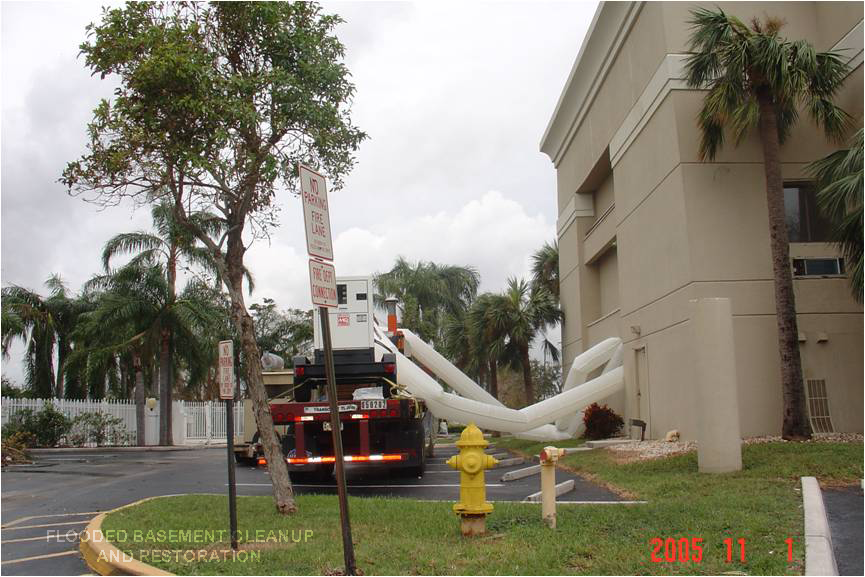
Emergency Flooded Basement Cleanup Services
Removing visible water is only one part of basement restoration. Moisture may remain beneath flooring, behind finished walls, inside insulation, under cabinets, or within wood framing.
Professional flooded basement services may include:
- Emergency water extraction
- Basement flood cleanup
- Sewage backup cleanup
- Structural drying and dehumidification
- Moisture inspection and monitoring
- Carpet and flooring removal
- Drywall and insulation removal
- Content cleaning and pack-out services
- Mold assessment and remediation
- Odor source removal
- Cleaning and disinfection
- Repairs and reconstruction
The correct restoration plan depends on where the water came from, how long it was present, how far it spread, and which materials were affected.
What Causes Basement Flooding?
Basements are below or partly below ground level, which can make them more likely to collect water. However, frequent flooding is not normal and usually points to a drainage, plumbing, structural, or mechanical problem.
Heavy Rain and Surface Water
Heavy rain may overwhelm gutters, downspouts, storm drains, soil, and local drainage systems. Water can collect near the foundation and enter through cracks, windows, doors, or other openings.
Foundation Seepage
Water may move through cracks, joints, gaps around pipes, or porous foundation materials. Wet walls, white mineral deposits, peeling paint, and damp odors may point to ongoing seepage.
Sump Pump Failure
A sump pump may stop working because of a power outage, failed motor, clogged intake, frozen discharge line, incorrect installation, or a pump that is too small for the amount of water entering the pit.
Sewer Backup
A blocked private sewer line, overwhelmed municipal sewer, tree roots, damaged pipe, or failed backwater valve may force wastewater into the basement through floor drains, toilets, showers, or utility sinks.
Burst or Leaking Pipes
A broken supply line, frozen pipe, leaking fitting, or failed plumbing fixture may release a large amount of water into the basement.
Water Heater Failure
A leaking or ruptured water heater can send water across the basement floor. Water may continue flowing until the supply is shut off.
Appliance Leaks
Washing machines, laundry sinks, water softeners, boilers, furnaces, and other basement equipment may leak or overflow.
Snowmelt
Rapid snowmelt can saturate the soil around a home. Frozen ground may prevent water from draining normally, causing it to collect against the foundation.
Blocked Gutters and Downspouts
Clogged gutters and short or damaged downspouts may direct roof water toward the foundation instead of away from the building.
Grading and Landscaping Problems
Soil that slopes toward the building can direct water toward basement walls. Settled soil, patios, driveways, and walkways may also create low areas where water collects.
Basement Window Wells
Window wells may fill with water when drains are clogged, covers are missing, or soil drainage is poor. Water can then enter through the window or surrounding wall.
Common Risks of a Flooded Basement
Electrical Hazards
Standing water near outlets, wiring, appliances, extension cords, furnaces, sump pumps, or electrical panels can create a serious shock or fire risk.
Never enter standing water to turn the power on or off. If the breaker panel cannot be reached safely, contact the utility company, fire department, or a qualified electrician.
Sewage and Contaminated Water
Water from sewer backups, outdoor flooding, rivers, streets, or rising groundwater may contain bacteria, chemicals, fuel, animal waste, sharp debris, and other hazards.
Keep children and pets away from the area and avoid direct contact with contaminated water.
Structural Damage
Water may weaken drywall, flooring, stairs, framing, foundation materials, and support systems. Cracks, bowing walls, sagging ceilings, shifting floors, or damaged stairs may require professional evaluation.
Mold Growth
Mold may grow when drywall, wood, carpet, insulation, furniture, and other porous materials remain wet. Wet materials should be dried within 24 to 48 hours when possible.
Surface cleaning alone may not solve the problem when moisture remains inside walls, floors, ceilings, or insulation.
Damage to Heating and Mechanical Systems
Floodwater may affect furnaces, boilers, water heaters, electrical equipment, water softeners, and other basement systems. Wet equipment should be inspected before it is used.
Damage to Personal Belongings
Furniture, documents, photographs, clothing, electronics, tools, inventory, and stored items may absorb water or become contaminated.
Some belongings may be restored when they are handled quickly. Others may need to be discarded based on the water source and material.
What to Do When Your Basement Floods
Do not rush into a flooded basement. Review the area for electrical, structural, sewage, gas, and chemical hazards first.
-
Keep everyone away from the basement.
Prevent children, pets, tenants, employees, and visitors from entering the area. -
Look for electrical hazards.
Do not enter water near outlets, appliances, wiring, or the electrical panel. -
Stop the water source when safe.
Shut off the main water valve if the flooding comes from plumbing and the valve can be reached without entering danger. -
Stop using plumbing fixtures.
If a sewer backup is suspected, do not use toilets, sinks, showers, washing machines, or dishwashers. -
Contact emergency services when needed.
Call for help if there is a gas odor, fire, structural collapse, downed power line, or another immediate hazard. -
Contact a basement restoration company.
Water extraction and drying should begin as soon as the basement can be entered safely. -
Document the damage.
Take photographs and videos from a safe location before moving or discarding items. -
Contact your insurance provider.
Report the loss and ask about coverage, deductibles, emergency repairs, and required documentation.
What Not to Do in a Flooded Basement
- Do not walk through water near electrical equipment.
- Do not use a household vacuum to remove water.
- Do not turn on wet appliances.
- Do not handle sewage without proper protective equipment.
- Do not use fans when sewage or visible mold may be present.
- Do not walk beneath sagging ceilings.
- Do not assume the floor is stable beneath cloudy water.
- Do not mix bleach with ammonia, vinegar, or other cleaners.
- Do not discard damaged items before documenting them when safe.
- Do not operate a generator inside a basement, garage, or enclosed area.
Should You Pump Out a Flooded Basement Immediately?
Water from a plumbing leak or appliance failure may often be extracted once the area is safe. However, special care may be needed when a basement is deeply flooded because of rising groundwater or outdoor flooding.
Removing a large amount of water too quickly while the surrounding soil remains saturated may place pressure on foundation walls or the basement floor. In some situations, water removal should be planned with a qualified restoration contractor, foundation professional, engineer, or local emergency authority.
Do not operate a pump while standing in water or use electrical equipment that is not designed for wet conditions.
Understanding the Source of Basement Water
The water source affects cleanup methods, protective equipment, material removal, and insurance coverage.
Clean Water
Water from a broken supply line, leaking water heater, or sanitary plumbing source may begin with limited contamination. However, the water may become more contaminated after contacting floors, dirt, chemicals, or building materials.
Gray Water
Water from washing machines, dishwashers, or some appliance discharges may contain enough contamination to cause illness or discomfort.
Highly Contaminated Water
Sewage, outdoor floodwater, river water, stormwater, and rising groundwater should generally be treated as contaminated. These sources may contain bacteria, viruses, chemicals, fuel, debris, and other hazards.
The phrase “black water” may be used for highly contaminated water, but it refers to the contamination level rather than the color of the water.
The Flooded Basement Restoration Process
Each basement flood requires a plan based on the water source, affected materials, size of the loss, building design, and safety concerns.
1. Emergency Contact and Safety Review
The restoration provider gathers information about the source, water depth, electrical equipment, sewage, damaged stairs, structural concerns, and property access.
2. Inspection and Moisture Assessment
The restoration team inspects the basement and may use moisture meters, thermal imaging, and other tools to locate damp materials.
The inspection may include:
- Identifying the water source
- Checking the contamination level
- Measuring the affected area
- Inspecting walls, flooring, ceilings, and contents
- Checking nearby rooms and crawl spaces
- Reviewing electrical and structural hazards
- Creating a cleanup and drying plan
3. Stopping the Source
A plumber, sewer contractor, foundation specialist, roofer, sump pump professional, or another qualified contractor may need to correct the cause of the flooding.
The basement may flood again if the source is not repaired.
4. Water Extraction
Professional pumps and extraction equipment may be used to remove standing water. Equipment selection depends on water depth, contamination, and access.
5. Content Removal and Evaluation
Furniture, documents, electronics, clothing, tools, and stored belongings may be moved to a dry area for evaluation.
A professional pack-out service may document, remove, clean, store, and return items that can be restored.
6. Removal of Damaged Materials
Some materials may need to be removed so hidden spaces can be cleaned and dried.
Materials commonly evaluated for removal include:
- Wet carpet padding
- Drywall
- Insulation
- Laminate flooring
- Particleboard cabinets
- Ceiling tiles
- Contaminated trim
- Porous materials exposed to sewage or floodwater
7. Cleaning and Contamination Control
Cleaning methods depend on where the water came from. Sewage and floodwater require different procedures than a clean supply-line leak.
Visible dirt, waste, and debris must be physically removed before disinfectants can work as intended.
8. Structural Drying and Dehumidification
Air movers, dehumidifiers, and other equipment may be used to dry walls, floors, framing, and other materials.
The contractor should monitor moisture levels during the project rather than relying only on appearance or a fixed number of drying days.
9. Mold Remediation When Needed
Visible mold or growth discovered during material removal may require containment, air filtration, HEPA vacuuming, surface cleaning, and additional removal.
Learn more about professional mold remediation services.
10. Repairs and Reconstruction
After the basement is clean and dry, restoration may include:
- Drywall and insulation replacement
- Flooring installation
- Trim and door replacement
- Painting
- Cabinet repair
- Stair repairs
- Framing repairs
- Electrical and mechanical repairs
- Basement finishing
What Can Be Saved After a Basement Flood?
Whether an item can be restored depends on the material, water source, length of exposure, condition, and replacement value.
Materials That May Sometimes Be Restored
- Concrete
- Tile
- Some solid wood
- Metal furniture
- Glass
- Some washable fabrics
- Documents and photographs through specialty services
Materials That Often Require Removal
- Wet insulation
- Carpet padding
- Swollen particleboard
- Contaminated drywall
- Mattresses exposed to sewage
- Upholstered furniture exposed to floodwater
- Cardboard and paper contaminated by sewage
- Food, medicine, and cosmetics exposed to floodwater
Photograph damaged items before disposal when it is safe and follow the insurance provider’s instructions.
Basement Flooding and Mold
A basement flood does not always lead to mold. Fast extraction and drying may reduce the chance of growth.
Mold becomes more likely when porous materials remain wet or when hidden moisture is not found.
Signs of Possible Mold After a Flood
- Musty odors
- Dark or colored spots
- Peeling paint
- Soft drywall
- Warped flooring
- Recurring stains
- Visible growth on wood or stored belongings
Mold color alone cannot identify the species or level of risk. All unwanted indoor growth should be addressed by removing the moisture source and cleaning or removing affected materials.
Sewage Backup in a Basement
A basement sewer backup may release wastewater through a floor drain, toilet, shower, bathtub, utility sink, or other low fixture.
Stop using plumbing fixtures and keep people away from the affected area. A plumber or sewer contractor may need to clear or repair the line before restoration begins.
Professional sewage cleanup may include:
- Wastewater extraction
- Containment
- Contaminated material removal
- Physical cleaning
- Application of suitable disinfectants
- Structural drying
- Odor source removal
- Repairs and reconstruction
Can You Stay in a Home With a Flooded Basement?
That depends on the water source, electrical conditions, structural safety, mold, sewage, air quality, and whether important utilities are working.
Temporary relocation may be recommended when:
- Sewage or contaminated floodwater is present.
- Electrical equipment has been affected.
- The furnace or HVAC system is unsafe.
- Structural damage is present.
- Several areas of the home are affected.
- Mold contamination is extensive.
- Children or medically sensitive occupants are present.
The restoration company can explain work-area conditions, but medical concerns should be discussed with a healthcare provider.
How Long Does Flooded Basement Restoration Take?
There is no standard timeline for every flooded basement. A small clean-water leak may require a few days of drying. A basement affected by sewage, deep flooding, mold, or major reconstruction may take much longer.
Factors That Affect the Schedule
- Water depth
- Water source and contamination
- Number of rooms affected
- Materials that became wet
- Length of time before cleanup began
- Hidden moisture
- Mold growth
- Required plumbing or foundation repairs
- Permit and inspection requirements
- Amount of reconstruction
Drying equipment should remain in place until moisture readings show that appropriate drying goals have been reached.
How Much Does Flooded Basement Cleanup Cost?
The cost can vary widely. A small amount of clean water on an unfinished concrete floor may cost far less than sewage contamination throughout a finished basement.
Factors That Affect Cost
- Size of the basement
- Depth and amount of water
- Water contamination level
- Emergency response needs
- Water extraction equipment
- Material removal
- Structural drying
- Mold remediation
- Content cleaning and storage
- Plumbing, sewer, or foundation repairs
- Flooring and drywall replacement
- Local labor and disposal costs
The contractor should provide a written estimate explaining the services, damaged materials, equipment, expected schedule, and conditions that may result in added charges.
Does Insurance Cover a Flooded Basement?
Coverage depends on the policy and cause of the water. A sudden pipe failure may be handled differently from groundwater, an outside flood, a sewer backup, or a failed sump pump.
Standard homeowners policies often do not cover outside flooding. Separate flood insurance may be required. Sewer backups and sump pump failures may also require additional endorsements.
Questions to Ask the Insurance Provider
- Is the cause of the basement flooding covered?
- Does the policy include sewer-backup coverage?
- Does the policy include sump pump overflow coverage?
- Is separate flood insurance required?
- What deductible and coverage limits apply?
- Are contents and reconstruction covered?
- What documentation is required?
- Can emergency water removal begin before the adjuster arrives?
A restoration contractor may document the loss, but the insurance carrier makes the final coverage decision.
Helpful Insurance Documentation
- Photographs and videos
- A list of damaged belongings
- Water extraction invoices
- Moisture readings and drying logs
- Plumbing, sewer, or foundation reports
- Repair estimates
- Receipts for emergency expenses
- Communication with the insurer
How to Prevent Future Basement Flooding
Prevention depends on the cause. A drainage problem requires a different solution than a sewer blockage, broken pipe, or failed sump pump.
Maintain Gutters and Downspouts
- Clean gutters regularly.
- Repair loose or leaking sections.
- Extend downspouts away from the foundation.
- Make sure water is not collecting near basement walls.
Improve Property Grading
Soil should direct water away from the building. Low areas near the foundation may need to be filled or corrected by a qualified drainage or landscaping contractor.
Maintain the Sump Pump
- Test the pump before wet seasons.
- Clean the pit and intake.
- Inspect the discharge line.
- Consider a battery or water-powered backup.
- Install a high-water alarm.
- Replace an old or undersized pump when needed.
Inspect Foundation Walls and Floors
Cracks, gaps, and seepage should be evaluated to determine whether repair, drainage improvements, waterproofing, or another solution is needed.
Maintain Sewer Lines
Recurring clogs, gurgling drains, tree roots, and sewer backups should be inspected by a qualified plumber or sewer contractor.
Consider a Backwater Valve
A backwater valve may help reduce sewage flowing backward into a building. The valve must be correctly installed and maintained and may not be suitable for every property.
Inspect Basement Plumbing and Appliances
- Check washing machine hoses.
- Inspect water heater connections.
- Repair leaking pipes and valves.
- Install leak alarms near appliances.
- Consider an automatic main water shutoff system.
Protect Basement Windows
- Clean window well drains.
- Install secure covers.
- Repair damaged windows and seals.
- Correct soil and drainage problems around the well.
Store Important Items Above Floor Level
Keep documents, electronics, photographs, and valuable belongings in waterproof containers or on shelves above known flood levels.
How to Choose a Flooded Basement Restoration Company
Questions to Ask Before Hiring
- Does the company have experience with basement floods?
- Is the company properly insured?
- Are local licenses required?
- Do technicians have water-restoration training?
- How will electrical and structural hazards be addressed?
- How will moisture levels be measured?
- Which materials will be removed and why?
- How will sewage or floodwater be handled?
- Are mold remediation and reconstruction included?
- Will a written estimate and scope of work be provided?
Training or certification through recognized restoration organizations can be useful, but it does not replace state licensing, insurance, references, or careful review of the written contract.

Flooded Basement Cleanup FAQs
Is a flooded basement always an emergency?
It should be treated as urgent when water is still entering, electricity is involved, sewage is present, equipment is damaged, or the building may be unstable.
Can I use a shop vacuum to remove basement water?
A wet vacuum designed for water may be useful for a small amount of clean water when there are no electrical hazards. It should not be used for sewage or major flooding without proper protection and disposal procedures.
Should I turn off the power?
Do not enter standing water to reach the electrical panel. Contact the utility company, fire department, or an electrician when the panel cannot be reached safely.
How quickly should the basement be dried?
Water removal and drying should begin as soon as conditions are safe. Wet materials should be dried within 24 to 48 hours when possible.
Does wet drywall need to be removed?
Not always. The decision depends on contamination, damage, moisture levels, and whether the drywall can be dried completely.
Can basement carpet be saved?
Carpet affected by a limited clean-water loss may sometimes be restored. Carpet and padding exposed to sewage or outdoor floodwater often need to be removed.
Why does my basement smell musty after the water is gone?
Moisture may remain inside drywall, carpet, insulation, wood, or stored contents. A musty odor may also indicate mold growth or contaminated material.
Can a sump pump prevent every basement flood?
No. A sump pump can manage some groundwater and drainage problems, but it cannot prevent every plumbing leak, sewer backup, foundation problem, or extreme flood.
Does homeowners insurance cover sump pump failure?
Coverage varies. Some policies require a separate water-backup or sump-overflow endorsement.
Does flood insurance cover basement contents?
Flood insurance coverage for basement contents and finishes may be limited. Review the policy and speak with the insurance provider about specific coverage.
Can mold grow after the basement appears dry?
Yes. Hidden moisture may remain behind walls, beneath floors, or inside insulation. Professional moisture readings may be needed.
How long will drying equipment run?
Equipment may run for several days or longer. The schedule should be based on moisture readings and the materials involved.
Request Flooded Basement Cleanup and Restoration
Do not ignore standing water, sewage, wet drywall, damaged flooring, musty odors, or repeated basement seepage. Fast action may help reduce damage and increase the number of materials that can be restored.
Restoration Companies helps residential and commercial property owners across the United States connect with local professionals for basement water extraction, flood cleanup, sewage cleanup, structural drying, mold remediation, content cleaning, and reconstruction.
Response times depend on location, weather, road conditions, local demand, water depth, and contractor availability. No arrival time should be considered guaranteed unless confirmed directly by the assigned provider.
Authoritative Basement Flood and Cleanup Resources
-
Centers for Disease Control and Prevention: Reentering a Flooded Home Safely
-
CDC: Floodwater Safety After a Disaster
-
Environmental Protection Agency: Flood Cleanup and Indoor Air Quality
-
EPA: A Brief Guide to Mold, Moisture, and Your Home
-
FEMA: Protecting Building Utility Systems From Flood Damage
-
IICRC: Standard for Professional Water Damage Restoration