
Water Damage and Property Recovery in Berkeley Heights, NJ

A stopped leak can leave damaged materials behind, and the next steps are not always obvious. We help Berkeley Heights property owners with water removal, drying, sewage cleanup and recovery after fire or storms. Call (888) 990-0530 to describe the loss and discuss the next available assessment.
Tell us about water still flowing, sewage and unsafe access before going inside. Keep away from wet electrical equipment and unstable ceilings. Following a fire, wait until the officials responsible for the scene confirm safe entry.
Understand the Loss Before Covering the Damage

Tell us where water first appeared, whether the source has been repaired and which spaces changed afterward. That history helps us follow the loss. We check current materials rather than assume a repaired connection means the entire room has recovered.
We extract standing water and take moisture readings in affected areas. Water can travel under flooring or through adjoining materials before appearing elsewhere. Mention dampness on another level, even if it became visible after the first puddle was removed.
Explain the Material Decisions
Contamination, deterioration and whether trapped moisture can be reached effectively influence what can stay. Some surfaces can be cleaned and dried. Others need removal before repairs, and we explain those findings before new finishes conceal the area.
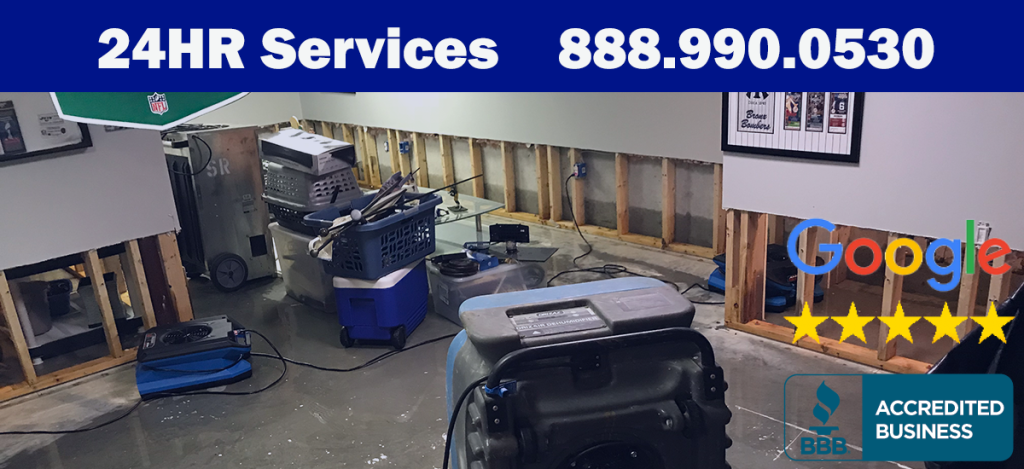
Air movers and dehumidifiers support drying in suitable materials. Further readings show progress and guide equipment adjustments. Touch and appearance alone do not establish the condition beneath a finish, so readiness for reconstruction needs checking.
Keep the Source Repair in the Sequence

A plumber, roofer or another specialist may need to correct the connection or opening separately from cleanup. Extraction handles water already present rather than every defect that caused entry. We discuss both tasks so a recovered room is not exposed again to the same unresolved cause.
For stormwater, tell us its route and whether an opening remains exposed. Temporary protection may be needed while permanent repairs are arranged. Outside water can contain contaminants and debris that affect cleaning and material decisions.
Keep Sewage From Reaching Clean Spaces
Keep people and pets away from a toilet or sewer overflow. Avoid fixtures that worsen the backup and do not direct household fans across sewage. Tell us which drains were involved and whether flow continues.
We remove contaminated water, clean salvageable surfaces and identify porous materials needing disposal. Padding or insulation exposed to sewage may be unsuitable to retain. Avoid carrying soaked belongings through unaffected rooms before handling is discussed. Plumbing repair to prevent recurrence is separate from room cleanup.
Smoke Residue and Water After a Fire
Once access is safe, we examine soot, smoke odors and affected contents, including rooms without visible burns. Avoid wiping residue or applying household products before the surface and suitable cleaning method are checked.
Firefighting water can soak floors and walls in adjoining areas. We include moisture checks alongside smoke cleanup. Tell us which belongings are essential, and document damaged items before disposal when safety permits so cleaning possibilities can be discussed.
For nearby locations, see New Providence and Summit. Call us to confirm current availability for your address.
Keep Access and Work Records Clear

We discuss equipment placement, room restrictions and essential access routes. We document affected areas, moisture findings and completed cleanup so the next steps are understandable. These records can support your insurance claim. Ask about direct billing and repair coordination; your insurer determines coverage and payment.
For cleanup help in Berkeley Heights, call (888) 990-0530. Tell us the cause, affected rooms and anything that changed since discovery.
Questions About Cleanup and Recovery
Why explain what changed after the source repair?
Water can travel through materials before becoming visible elsewhere. Later dampness may identify adjoining areas or another level that also need checking.
Can a repaired source leave drying work behind?
Yes. Repair stops new entry but does not remove water already absorbed. Readings help identify materials still needing drying or removal before reconstruction.
What affects whether a wet material remains?
Contamination, deterioration and access to trapped moisture all matter. We explain findings before repairs cover the area rather than rely only on surface appearance.
Can sewage-soaked padding stay after drying?
Drying alone does not address contamination. Absorbent materials may need disposal while suitable surfaces receive cleaning and remaining-moisture checks.
Will direct billing guarantee insurance payment?
No. We can discuss arrangements and provide photographs, moisture findings and work details. Your insurer makes coverage and payment decisions under the policy.