
Water Damage and Disaster Cleanup in Central Kent, DE

A leak, sewage backup or fire can leave you with damaged rooms and several decisions to make. At Disaster Cleanup Pros, we help Central Kent property owners clean affected spaces, remove water and work toward recovery. Call (888) 990-0530 to describe the loss and discuss the next available assessment.
Tell us first about active water, contamination or unsafe entry. Keep people and pets away from sewage and stay out of standing water near electrical equipment. After a fire, wait for clearance before entering the building or retrieving contents.
Identify the Wet Materials and the Source Repair

Water from an appliance, pipe or building opening can reach more than the room where it first appears. We inspect connected spaces, extract standing water and use moisture readings to locate affected materials. Tell us about ceilings, closets or lower rooms that also became damp.
Our team explains which materials need drying and what may need removal before enclosed areas can be reached. Wet insulation, carpet padding or damaged wallboard needs evaluation rather than an assumption that everything can stay in place. Those findings help guide the work before repairs.
The source may need a plumber, roofer or another specialist alongside cleanup. A repaired pipe does not dry the building it soaked. We’ll clarify which work belongs in restoration and which repairs need separate coordination so the next stage addresses the whole loss.
Controlled Cleaning and Monitored Drying

A sewer or toilet backup requires controlled removal and cleaning. Keep the area closed, avoid tracking contaminated water into clean rooms and do not run household fans over sewage. Tell us which drains backed up and whether the source is still active.
We clean salvageable surfaces and identify absorbent materials needing disposal. Stormwater entering from outdoors can also carry contamination and debris. Describe its entry route and any remaining roof or window opening so temporary protection can be discussed alongside the interior work.
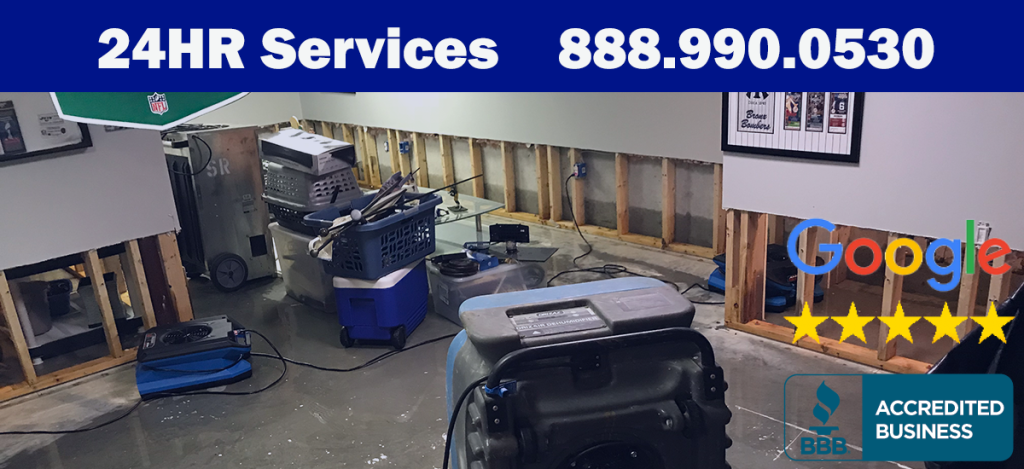
Air movers and dehumidifiers help dry the remaining affected structure after water removal and cleaning. We choose equipment for the materials involved and check moisture as work progresses. A surface looking dry does not establish whether concealed materials are ready for repairs.
Fire, Smoke and Damaged Belongings
Once safe entry is established after a fire, we inspect soot, smoke odors and water left by firefighters. Rooms and contents away from the fire itself can need attention too. Tell us about odors or damp materials elsewhere rather than limit the conversation to visible burn damage.
Cleaning approaches depend on the surface and residue. Avoid wiping soot before those conditions are evaluated. We’ll discuss contents handling, removal decisions and any temporary protection needed before permanent repairs begin.
Understand How Recovery Affects the Property

Equipment and restricted work areas can change how an occupied property is used during cleanup. We’ll explain where the work is needed and discuss household, tenant or business needs. Let us know about an unavailable kitchen, shared bathroom or affected stock so those concerns are part of the conversation.
Before work is authorized, we’ll walk through the proposed scope, drying checks and separate repair needs. Photos, moisture readings and work details help document the loss for your adjuster. Talk with us about direct insurance billing; your insurer decides coverage under your policy.
For nearby location information, see Dover. Call (888) 990-0530 with your Central Kent address to confirm availability and discuss the next step toward recovery.
Questions About Cleanup and Recovery
What if several rooms are wet after a leak?
Tell us which rooms and levels are affected. We inspect connected materials and use moisture readings to identify what needs attention.
Can a source repair be separate from cleanup?
Yes. A plumber, roofer or another specialist may need to correct the cause. We’ll explain how that work fits with cleaning and drying.
Why might contaminated carpet padding need removal?
It is absorbent and may not be suitable for cleaning and drying in place. We’ll explain the material findings before repairs.
Do you check smoke odors without visible burn damage?
Tell us which rooms and belongings smell of smoke. We evaluate affected areas once the building is cleared for entry.
Will you explain how the work affects access?
We’ll discuss equipment placement and restricted areas around cleanup. Tell us about occupied spaces or essential rooms you normally need to use.