
Glassboro, NJ Disaster Restoration and Water Cleanup
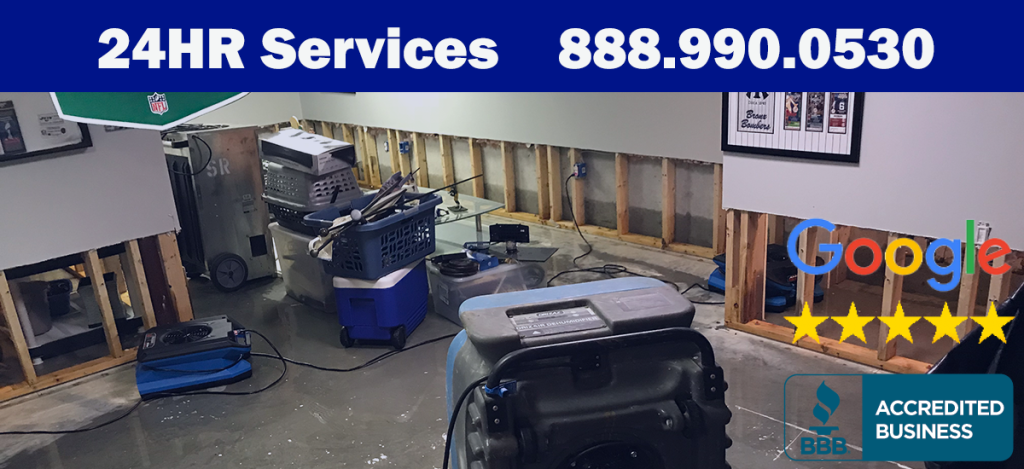

We help Glassboro owners recover after leaks, sewer backups, fire and storm damage with practical cleanup and drying. Our team explains what can be cleaned and what needs removal before repairs. Call (888) 990-0530 to tell us what happened and discuss an inspection.
Fire Damage Can Leave Several Cleanup Needs
Once entry is cleared, we examine soot and odor alongside water used during firefighting. Unburned rooms may contain residue or wet materials too. We explain those effects together when setting out cleaning, drying and removal needs.

Leave soot-covered finishes unwiped until the approach is selected. The residue and surface guide cleaning, and the wrong method can smear soot or harm a finish. We discuss contents requiring separate evaluation rather than promise every item can be restored.
Odor work includes identifying affected materials instead of simply covering the smell. Damaged electrical and structural components require appropriate specialists. Cleanup should fit around those repairs before the affected space returns to normal use.
Extract Water and Inspect What Remains Wet
For leaks, appliance failures or firefighting water, we remove standing water and check surrounding floors and walls. Moisture can remain below a covering or inside an adjoining assembly. Readings help define the affected material beyond the visible puddle.
Some materials may remain for drying; others need removal because of contamination, damage or inaccessible moisture. We explain why an opening is needed and the repairs left afterward. New finishes should not conceal a wet layer that has not been addressed.
Air movers and dehumidifiers support drying of retained material. Checks during the work guide equipment adjustments and help explain when the next stage can proceed. Appearance alone does not determine readiness to cover the area.
Sewage Requires Controlled Removal and Cleaning

Keep children and pets away from wastewater, avoid tracking it into clean rooms and leave household fans off around the spill. Tell us which fixtures overflowed and whether plumbing service stopped the cause. A cleared drain does not clean the affected space.
We remove contaminated water, separate unsuitable absorbent material and clean suitable retained surfaces. Remaining wet structural material still needs drying. Discuss important belongings before moving or discarding them so cleaning possibilities can be evaluated by condition and material.
Source Repairs, Storm Recovery and Daily Access
Tell us whether water is still entering and what source work has occurred. Drying cannot repair an active leak or opening. Outside water requires contamination checks, and storm-damaged windows or roofing may need temporary protection and permanent repairs alongside cleanup.
Stay clear of water near electrical equipment, sagging ceilings and rooms awaiting fire clearance. Tell us which spaces occupants need during the work. We explain restrictions and equipment placement, and ask you to contact us before changing the setup.

Photos, moisture findings and completed-work records document recovery. Ask about direct insurance billing and documents for your adjuster; your insurer decides coverage. We explain remaining repairs so equipment removal is not confused with completion of every task.
Nearby pages include Pitman and Washington Township. Call (888) 990-0530 with your Glassboro address and immediate concerns to discuss recovery.
Questions About Cleanup and Recovery
Why check water during fire cleanup?
Firefighting can soak floors and wall materials, including spaces that did not burn. We check moisture alongside residue and odor so those effects are not overlooked.
Can I use household cleaners on soot?
Wait for evaluation. The residue and finish determine the cleaning method, and an unsuitable cleaner can make recovery more difficult.
What does extraction leave to check?
Materials may retain moisture below coverings or within walls. We inspect affected assemblies and use readings to guide drying and access decisions.
Does clearing the sewer complete recovery?
It addresses the source, but contamination and wet materials inside the room still need removal, cleaning and drying as appropriate.
Can I move equipment for access?
Contact our team first. We can discuss necessary routes and appropriate adjustments without unexpectedly interrupting the drying setup.