
Water Damage and Disaster Cleanup in Glendale Heights, IL

When damage makes a bedroom, basement or work area unusable, we help you plan the cleanup around the space you need. At Disaster Cleanup Pros, we assess water, sewage and smoke damage in Glendale Heights homes and businesses and explain the recovery work ahead. Call (888) 990-0530 to discuss what happened and the next available assessment.
Tell us about any active leak, sewage or unsafe access first. Keep away from standing water near electrical equipment and close off contaminated areas. If a pipe is leaking, use the shutoff only when you can reach it safely.
Assess the Rooms and Contents Affected

Our team checks the source and the path water took before planning extraction. A leak beneath a sink can reach cabinets and flooring; water from an upper level can affect rooms below. We use moisture readings to identify materials that remain wet after standing water is removed.
Tell us which belongings, shared spaces or essential rooms are affected. A wet kitchen and a storage room create different day-to-day problems. We’ll discuss access, equipment placement and the areas that need to stay closed while cleanup and drying are underway.
Drying Before Floors and Walls Are Repaired
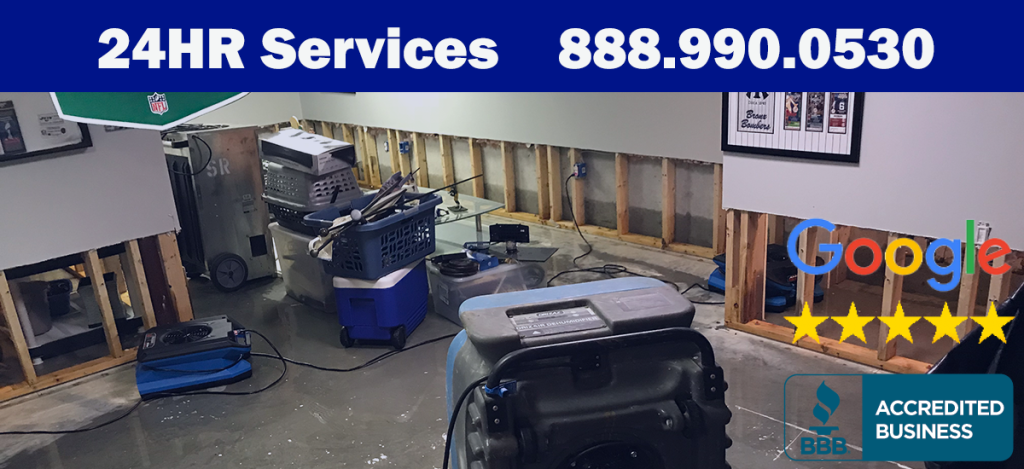
Air movers circulate air across affected materials, and dehumidifiers remove moisture from the air. We select equipment for the rooms and conditions and check progress with further readings. The appearance of a surface alone does not show the condition beneath it.
We’ll explain which materials can be evaluated for drying and what needs removal. Wet carpet padding, insulation or enclosed finishes may require different handling. Those findings help guide repairs instead of covering the damage while moisture remains unresolved.
Sewage Backup Cleanup

A toilet or sewer drain backup needs a contamination-focused approach. Keep people and pets out of the affected area, avoid tracking water to other rooms and do not run household fans over sewage. Let us know which fixtures were involved and whether the flow has stopped.
We remove affected water, assess contents and absorbent materials, and clean salvageable surfaces. Some porous materials need disposal rather than drying in place. We’ll explain the work and whether a plumber needs to address the source alongside restoration.
Fire, Smoke and Stormwater Damage
After a fire, wait for clearance to enter before retrieving items or trying to clean. We assess soot, smoke odors and contents together with water left by firefighters. Rooms beyond the fire may also need attention before repair work is arranged.
Storm damage may require temporary protection for a roof opening or broken window. Tell us how water entered and what it reached. Outdoor water needs assessment for contamination and debris before we choose the cleaning and drying approach.
Help for Your Glendale Heights Property
For a home in Westlake West, a property in Polo Club or a business elsewhere in Glendale Heights, give us the exact address and the rooms affected. Tell us about occupants, shared areas and any access restrictions. We’ll explain how the proposed work fits the building and its use.
For nearby locations, see Carol Stream, Bloomingdale and Glen Ellyn. Call us to confirm current availability at your address.
Clear Work Details and Claim Records

We’ll walk you through our findings, the proposed cleanup and drying checks before work begins. A plumber, roofer or another specialist may also need to repair the source. Ask us which tasks are separate and how the stages fit together.
Photos, moisture readings and work details help document the loss for your adjuster. Talk with us about direct insurance billing and the records your claim needs; your insurer decides coverage. Call (888) 990-0530 with your Glendale Heights location so we can discuss the next step.
Questions About Cleanup and Recovery
What should I tell you about rooms I need to keep using?
Explain which rooms are affected and which are essential for daily life or business. We’ll discuss access, restricted areas and the placement of drying equipment.
Can an upper-floor leak affect the room below?
Yes. We check the path water took and assess connected spaces. Moisture readings help identify materials that remain wet beyond the original leak.
Do you dry sewage-soaked materials in place?
Not always. Contamination and material condition determine what can be cleaned or needs removal. We’ll explain those decisions before the work proceeds.
What needs attention after firefighting water is removed?
Wet building materials still need assessment and drying checks. We also assess soot, smoke odors and contents as part of the loss.
Will you explain which repairs need separate work?
We’ll discuss the cleanup scope and any plumbing, roofing or rebuilding tasks that need separate coordination. Ask us how those stages fit together.