
Gloversville, NY Water Cleanup and Disaster Restoration
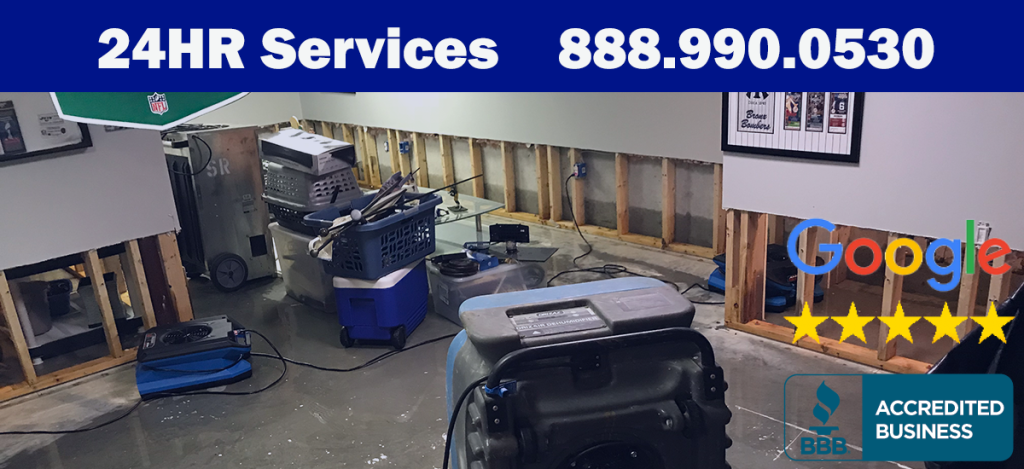

When water, sewage or smoke damage interrupts use of your property, we help with cleanup and the steps toward repairs. Our team removes water and checks affected materials in Gloversville. Call (888) 990-0530 to describe the loss and discuss the next available inspection.
Understand What the First Cleanup Must Address
Tell us where damage appeared, whether the source is active and what repairs have occurred. A repaired pipe or cleared drain can leave wet materials and contamination inside. We inspect the remaining conditions before explaining removal, cleaning and drying needs.
Keep clear of water near electrical equipment and a sagging ceiling. Wait until entry is authorized after a fire. If a supply leak can be stopped with a safely accessible shutoff, that may limit damage, but do not cross a hazard to reach it.
Look Beyond the Visible Puddle

We extract standing water and check surrounding floors, cabinets and wall materials. Moisture can remain below a covering or inside an adjoining assembly. Readings help identify affected material and guide drying or access decisions rather than assume the visible stain shows the full loss.
Some materials may remain for drying. Others require removal because of damage, contamination or moisture that cannot be reached in place. We explain why an assembly needs opening and the repair work left afterward before new finishes are selected.
Air movers and dehumidifiers support drying of retained material. We check progress and adjust equipment as needed. A surface that looks better does not show every layer, so material findings guide the transition toward repairs.
Keep Wastewater From Reaching Clean Spaces

A sewer or toilet overflow changes how the room and contents are handled. Keep children and pets out, avoid tracking wastewater through unaffected areas and leave household fans off around the spill. Tell us which fixtures overflowed and whether plumbing service stopped the cause.
We remove contaminated water, separate unsuitable absorbent material and clean suitable retained surfaces. Wet structural material still needs drying. Discuss important belongings before movement or disposal so cleaning possibilities and handling can be evaluated by material and condition.
Fire Residue and Water Need a Combined Check
Once entry is safe, we examine soot, odor and water used during firefighting. Effects may extend into unburned rooms. We explain the scope across those affected spaces and discuss contents requiring separate attention.
Leave soot-covered finishes unwiped until the cleaning approach is selected. Rubbing or an unsuitable cleaner can smear residue or harm a surface. We identify materials contributing to odor, while damaged electrical and structural components need appropriate specialist repair.
Coordinate Storm Protection and the Work Ahead
Outside water requires contamination checks alongside extraction. Storm-damaged roof or window openings may need temporary protection and permanent repairs. We discuss source work so another intrusion does not undo drying progress.

Tell us which spaces occupants need during cleanup. We explain restrictions and equipment placement, and ask you to contact us before changing the setup. Photos, moisture findings and completed-work records document recovery and remaining repair needs.
Ask about direct insurance billing and information for the adjuster; your insurer decides coverage. Call (888) 990-0530 with your Gloversville address and immediate concerns. We can discuss the next inspection and help you understand the work between emergency cleanup and repaired rooms.
Questions About Cleanup and Recovery
What if a leak has already been repaired?
Tell us what was fixed and where damage appeared. We still check moisture and affected materials left inside rather than assume source repair completed recovery.
Why might flooring need opening?
Water may be trapped below a covering or the material may be unsuitable to retain. We explain the reason for access or removal and what repair follows.
Can sewage-affected items go into another room temporarily?
Avoid moving them into clean spaces. Discuss handling first so contamination is not spread during evaluation and cleanup.
Why inspect unburned rooms after a fire?
Smoke residue, odor and firefighting water may have reached them. We check affected connected spaces when establishing the scope.
When should repairs cover the affected area?
The drying review, cleaning and remaining damage need attention first. We explain what is ready for repair and what source or specialist work still needs coordination.