
Water Damage and Disaster Recovery in Gretna, LA
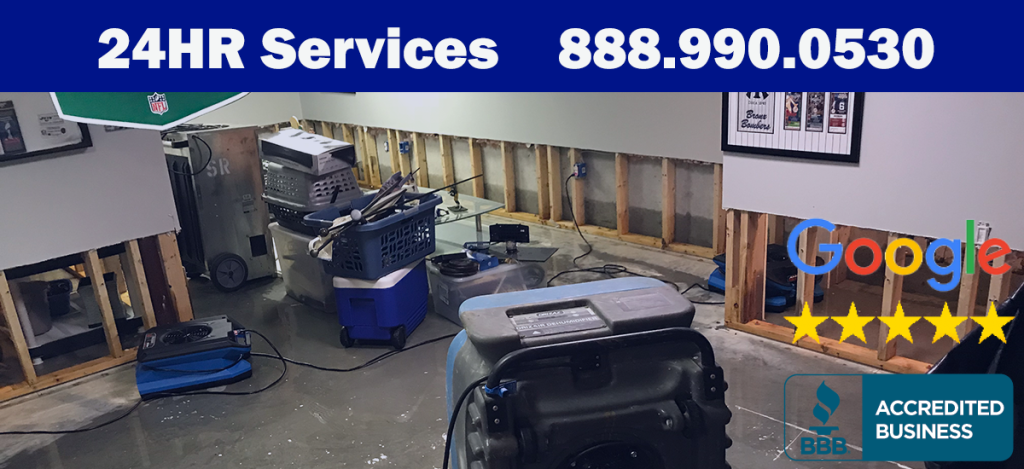

When a leak, sewage backup or fire damages your Gretna property, we help you make sense of the cleanup and start planning recovery. At Disaster Cleanup Pros, our team assesses the affected spaces and explains what needs cleaning, drying or removal. Call (888) 990-0530 to tell us what happened and discuss the next available assessment.
Tell us about active water, sewage or unsafe access first. Stay out of standing water near wiring and appliances, and keep people and pets away from contaminated rooms. After a fire, wait for clearance to enter before retrieving belongings or trying to clean.
Water Removal Starts With the Path It Took

A leak can soak flooring, wall bases and nearby rooms before you find it. We check the source, inspect the affected spaces and remove standing water. Moisture readings help us locate wet materials that are not obvious from the first puddle or stain.
If water is still entering, the source also needs attention. We’ll explain our cleanup work and whether a plumber, roofer or another specialist needs to make a separate repair. Drying the room and stopping another leak are both parts of working toward recovery.
Sewage Cleanup Requires Controlled Handling
If a toilet or drain backed up, avoid walking through the water or moving soaked belongings into clean areas. Do not run household fans over sewage. Tell us which fixtures were involved and whether the flow has stopped so the assessment starts with the source.
Our team removes contaminated water, evaluates affected contents and cleans salvageable surfaces. Carpet padding, insulation and other absorbent materials may need disposal. We’ll explain those decisions and which areas should remain closed while cleanup and drying are underway.
Drying and Repair Decisions

After water removal and cleaning, we use air movers and dehumidifiers to suit the remaining wet materials. Further moisture checks help us track progress and find areas needing more attention. Equipment placement should fit the rooms and the work rather than follow a fixed layout.
We’ll explain whether materials can be kept, need additional drying or should be removed. A floor that looks dry does not show the condition underneath it. Those findings help determine when the space is ready for the next repair stage.
Fire, Smoke and Storm Damage
Fire recovery can involve soot on surfaces, smoke odors in contents and water left by firefighting. Once entry is cleared, we assess the affected rooms together rather than treating each visible mark as a separate job. We’ll discuss cleaning methods, contents handling and any damaged materials needing removal.
For storm damage, let us know about roof openings, broken windows or water entering from outside. Temporary protection may be needed before permanent repairs. We assess outdoor water for contamination and debris before planning removal, cleaning and drying.
A Plan for Your Gretna Property
For a home in Old Gretna, a property in Timberlane or a business elsewhere in the city, tell us which rooms are out of use and how the building is occupied. Shared spaces, affected stock and the rooms needed for daily life help us understand the disruption. We’ll discuss access, equipment placement and restricted areas.
For nearby locations, see New Orleans, Harvey and Terrytown. Call us about current availability for your address.
Understand the Scope and Keep the Records

We’ll walk you through our findings, the proposed cleanup and drying checks before work begins. Photos, moisture readings and work details help document the loss for your adjuster. Talk with us about direct insurance billing and which repairs need separate coordination; your insurer determines coverage.
Call (888) 990-0530 with your Gretna address and the type of damage. We’ll discuss the immediate concerns and what comes next.
Questions About Cleanup and Recovery
What should I tell you about an ongoing leak?
Let us know where water is entering and which rooms it has reached. Mention electrical hazards, sewage or unsafe access before describing less urgent damage.
Can materials remain wet after the puddles are gone?
Yes. Moisture can remain beneath flooring or inside walls. We use readings and inspections to help guide drying and later repair decisions.
Should sewage-soaked items be moved to another room?
Avoid carrying contamination through clean spaces. Keep the area closed while we assess the affected contents and explain what can be cleaned.
Do you check firefighting water as well as smoke damage?
We assess wet materials alongside soot, smoke odors and contents. The recovery plan should address each part of the loss before repairs begin.
Can you help organize claim records?
We help document the cleanup and drying work. Ask us about photos, moisture records and billing arrangements; your insurer makes coverage decisions.