
Water, Sewage and Fire Damage Restoration in Hollywood, FL

Water or smoke damage can interrupt your home, rental or business before you know the full extent of the loss. At Disaster Cleanup Pros, we help Hollywood property owners clean up the damage, dry affected materials and understand the work needed to recover. Call (888) 990-0530 to tell us what happened and ask about an assessment.
If water is still coming in, sewage is present or the building is unsafe to enter, mention that immediately. Keep away from water near wiring or appliances. After a fire, wait until authorities clear the property for entry.
A Cleanup Plan for the Whole Affected Space

A broken supply line can soak the floor and reach nearby cabinets or walls. Water from an upstairs leak may also affect rooms below it. We check the route the water took and explain which areas need extraction, cleaning or drying.
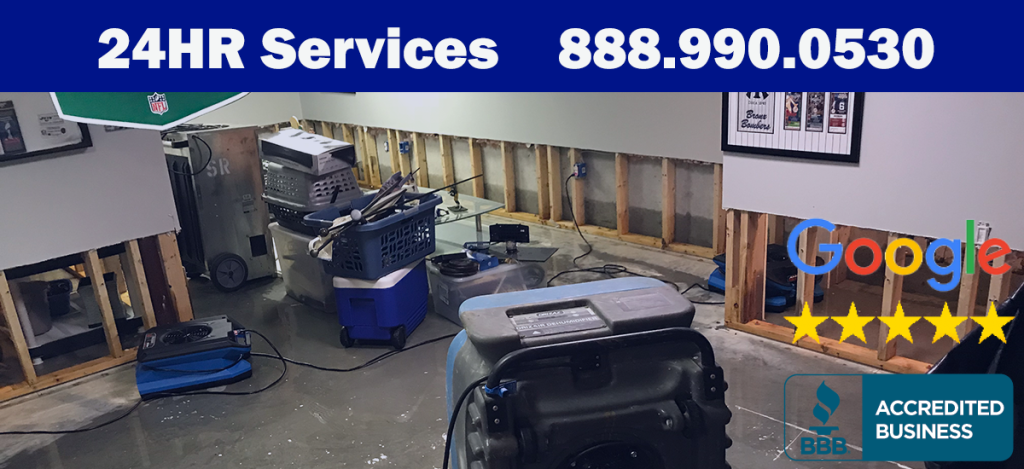
Our team removes standing water and uses moisture readings to find materials that remain wet. Air movers and dehumidifiers help dry the affected structure. We monitor progress rather than judge readiness for repairs by surface appearance alone.
Tell us about shared walls, units above or below, and any spaces that cannot be reached easily. Those building details help us assess the loss. We’ll explain where equipment will go and which areas need to remain closed.
When Stormwater Comes Indoors
A roof opening, broken window and flooded doorway each call for attention to the water source as well as the room. We assess affected materials and debris before planning cleaning and drying. Temporary protection may be needed while permanent repairs are arranged.
Water entering from outside can contain contamination even when it appears clear. Avoid walking through it or moving wet items into clean rooms. We evaluate contents and building materials to determine what can be cleaned and what needs removal.
Sewage Cleanup Requires More Than Drying

A sewer backup needs controlled removal and cleaning before the space returns to use. Keep children and pets out of the affected room and avoid running household fans over sewage. Tell us which drains backed up and whether the source has been stopped.
We assess contamination, remove the water and identify materials that cannot be cleaned. Carpet padding, insulation and other absorbent materials may need disposal. A plumber may also need to correct the source; we’ll help clarify where that work fits into the recovery plan.
Recovering From Fire and Smoke
Fire cleanup can include soot on surfaces, smoke odors in contents and water left beneath flooring. Once access is cleared, we assess those problems together. Smoke can reach beyond the room where the fire started, so tell us about odors in other spaces.
We’ll explain the cleaning approach before work begins. Avoid scrubbing soot or discarding belongings before assessment unless an immediate safety concern requires it. Contents handling and repair decisions should follow the condition of the materials.
Restoring Your Hollywood Home or Business

Whether the loss is in Hollywood Lakes, Emerald Hills or another part of Hollywood, we start with your building and how you use it. Tell us about occupants, affected stock or equipment, and any rooms you urgently need back in use. We’ll discuss access and the impact of drying work.
We help document the loss with photos, moisture records and work details. Talk with us about direct insurance billing and records for your adjuster. Your insurer decides coverage; we’ll explain our proposed cleanup scope before you authorize work.
For nearby locations, see Dania Beach, Fort Lauderdale and Pembroke Pines. Confirm availability with us for your address.
Call (888) 990-0530 with your Hollywood location and the type of damage. We’ll discuss the next available assessment and what you can do safely while you wait.
Questions About Cleanup and Recovery
What should I mention about water in an apartment or condo?
Tell us which rooms and floors are affected and whether water reached adjoining units. Shared spaces and access details help us plan the assessment.
Does clear-looking floodwater need a contamination check?
Yes. Water that entered from outside can carry contaminants even when it looks clear. We assess its source before deciding how to clean affected materials.
Can a wet floor be repaired as soon as extraction ends?
It still needs a drying assessment. We use moisture readings to check materials beneath the surface before repairs cover them.
Should I clean soot myself before you arrive?
Wait for the assessment once the property is safe to enter. The cleaning method depends on the surface, and unsuitable wiping can make some soot damage harder to remove.
Can you help explain the insurance paperwork?
We’ll discuss the cleanup scope, work records and documentation for your adjuster. Ask us about billing arrangements; the insurer determines coverage.