
Water Damage Cleanup and Property Recovery in Palm Springs, CA
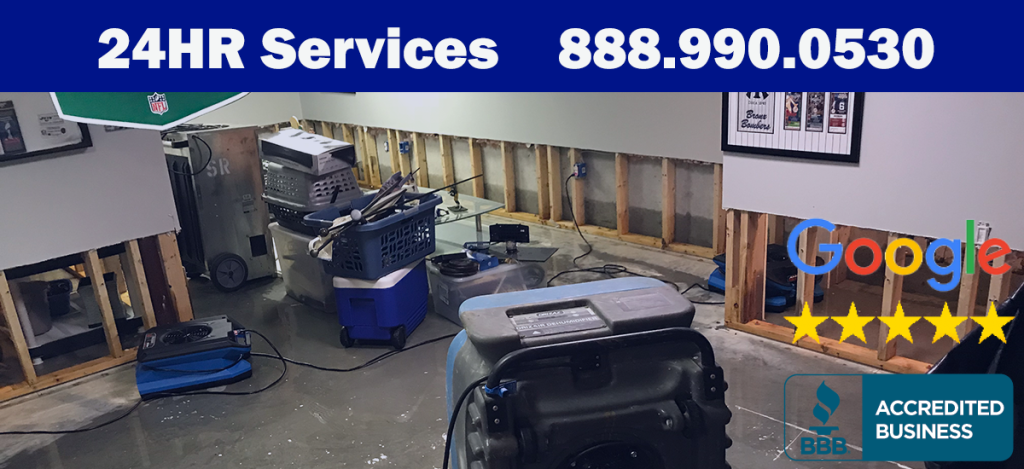

Water beneath a floor or smoke throughout a room can interrupt your use of a property long after the immediate event ends. At Disaster Cleanup Pros, we help Palm Springs property owners clean damaged spaces and work toward recovery. Call (888) 990-0530 about a plumbing loss, sewage backup, fire or storm emergency.
Start with safety. Avoid wet areas near electrical equipment, keep people and pets away from sewage and do not enter a fire-damaged building until entry is cleared. Tell us whether water is still entering or a damaged opening remains exposed.
Check What Is Happening Beneath the Floor

A warped board or damp carpet can hide moisture in the layers below. We check affected flooring, wall bases and adjoining spaces, using moisture readings to help define the wet area. Removing the visible water is an important beginning, but it does not establish that those layers are dry.
We extract standing water and explain which materials can remain for cleaning and drying. The source of the water, material condition and contamination all matter. Carpet padding, insulation or badly damaged finishes may need removal even when the surface can be wiped clean.
Tell us about furniture, stored items and rooms below the leak. Those details help us check connected damage and organize handling. Avoid moving contaminated belongings into clean spaces before their cleaning needs are understood.
Use Drying Checks to Guide the Next Step
Air movement and dehumidification help remove moisture from materials we can retain. We check readings as drying progresses and explain where further attention is needed. A floor feeling dry or a room smelling better does not tell the full story inside enclosed materials.
We’ll discuss equipment placement, access to the work area and any restrictions on using affected rooms. Tell us if an essential room or business function is unavailable. Ask before moving or switching off drying equipment so the drying work can be reviewed.
The source needs attention too. A plumber, roofer or other specialist may be required to stop a leak or repair damage that allowed water inside. We distinguish that work from cleaning and drying moisture already in the building.
Handle Sewage and Stormwater Carefully

A sewer backup requires controlled removal and cleaning, not simply evaporation. Keep the area closed and avoid running household fans across sewage. We remove affected water, clean salvageable surfaces and identify absorbent materials that cannot be effectively cleaned.
Outdoor floodwater needs a contamination review as well. For rain entering through a damaged roof, door or window, temporary protection may be needed while permanent repairs are arranged. Tell us where water entered rather than assuming every wet room has the same source.
We explain cleanup decisions before materials are covered or replaced. Avoid tracking dirty water through unaffected rooms, and leave contaminated items separate from clean belongings. Drying cannot substitute for removing contamination.
Address Smoke Residue and Firefighting Water
After safe entry is confirmed, we check soot, smoke odors and water left during firefighting. Tell us about residue or odors beyond the burned room. Contents and connected spaces can need attention even where there are no visible burn marks.
Avoid scrubbing soot into a surface before it is checked. We discuss suitable cleaning methods and belongings needing separate evaluation. Odor work should address remaining residue and affected materials rather than cover the smell.
Keep Recovery and Insurance Records Clear

We explain the proposed cleanup, findings from drying checks and separate repair needs. Keep your authorizations and messages about the work. If you are managing the property for someone else, tell us who can approve the scope and arrange access.
Photos, moisture readings and work details help document the loss. Ask us about direct billing and records for your adjuster. Your insurer determines coverage under your policy.
Nearby location information is available for Cathedral City and Rancho Mirage.
Call (888) 990-0530 with your Palm Springs address and the immediate problem. We’ll discuss the damage and the next available assessment.
Questions About Cleanup and Recovery
Does a dry floor surface mean the layers below are dry?
Not necessarily. Moisture can remain below a finish. We use readings and material checks to help guide the drying work.
Should I remove all wet belongings myself?
Tell us what was exposed first, especially if sewage or outside water is involved. Avoid carrying contamination into clean rooms.
Does a repaired pipe finish the cleanup?
Repairing the pipe stops the source. Water removal, material cleaning and drying may still be needed where water traveled.
What if smoke odors remain outside the burned room?
Tell us which spaces are affected. We check residue and contents as part of understanding what needs cleaning.
Can you explain the records for an insurance claim?
We can discuss damage photos, moisture records, work details and billing arrangements. Your insurer decides coverage.