
Water Damage and Disaster Restoration in West Islip, NY

When water or smoke damages your West Islip property, we help you understand what can be cleaned and what needs attention before repairs. At Disaster Cleanup Pros, we remove affected water, clean damaged spaces and explain the next steps toward recovery. Call (888) 990-0530 to tell us about the loss and discuss the next available assessment.
Let us know about active water, sewage or unsafe rooms before the rest of the damage. Keep clear of standing water around electrical equipment and keep people and pets out of contaminated areas. After a fire, wait for clearance before entering or trying to retrieve belongings.
Check the Rooms and What Is Inside Them

A leak can wet cabinets, flooring and belongings before you discover it. We check the source and the path water took, then remove what is still standing. Moisture readings help identify materials that remain wet beyond the first visible puddle or stain.
Tell us if another room, shared area or lower level was affected after you first found the problem. We’ll check those spaces and explain how contents should be handled. A plumber or another specialist may also need to repair the source alongside cleanup.
Explain the Material Decisions
Source, contamination and material condition affect what can be kept. Some finishes and contents can be evaluated for cleaning and drying; others need removal. We’ll explain those choices rather than treat every wet item the same way.
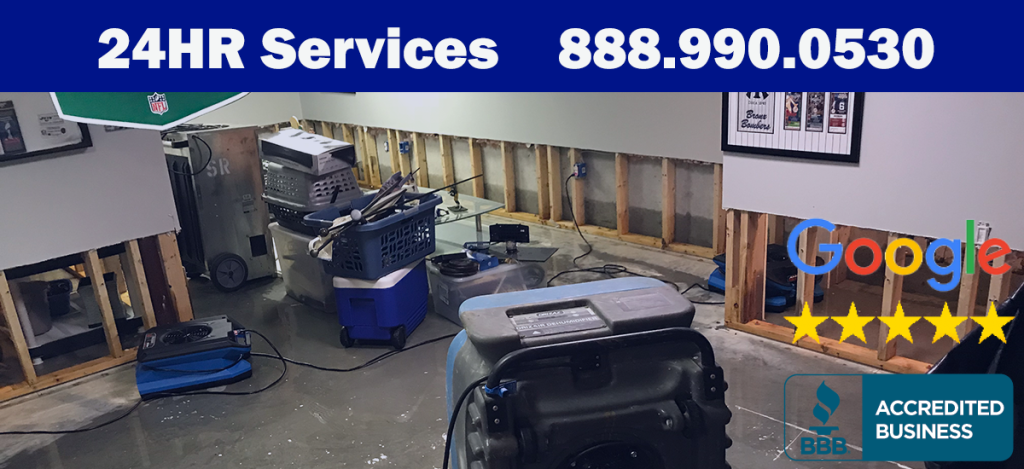
Our team places air movers and dehumidifiers to suit the affected rooms and takes further readings as drying progresses. A dry-looking surface does not show the condition beneath flooring or inside a wall. Those checks guide repair decisions before the area is covered.
Controlled Cleanup After Sewage

If a toilet or sewer drain backed up, close off the room and avoid tracking contaminated water into clean spaces. Do not run household fans over sewage. Tell us which fixtures were involved and whether the flow has stopped.
We remove affected water, clean salvageable surfaces and identify absorbent materials that need disposal. Carpet padding or insulation that absorbed sewage may not be suitable for drying in place. We’ll discuss contents handling, access restrictions and any plumbing repair needed alongside cleanup.
Storm Entry and Fire Recovery
For storm damage, describe roof openings, broken windows or water entering through a doorway. Temporary protection may be needed while permanent repairs are arranged. Outdoor water can carry contamination and debris, so we check the source before choosing the cleaning approach.
Once safe entry is confirmed after a fire, we check soot, smoke odors and contents alongside water used by firefighters. Rooms that did not burn may still need cleaning or drying. Avoid wiping soot before the material and cleaning method have been checked.
Work Around Occupied Spaces
A wet kitchen, shared tenant room or damaged business stock area changes what people can use each day. Tell us which rooms are essential and who needs access. We’ll discuss equipment placement and restricted areas so you understand the disruption during cleanup.
For nearby locations, see Babylon, North Babylon and Bay Shore. Call us to confirm current availability for your address.
Clear Next Steps and Insurance Records

We’ll review our findings, the proposed cleanup and drying checks before work begins. Ask us which source repairs or rebuilding tasks need separate coordination. Photos, moisture readings and work details help document the loss for your adjuster.
Talk with us about direct insurance billing and the records needed for your claim; your insurer determines coverage. Call (888) 990-0530 with your West Islip location and the spaces affected so we can discuss the immediate concern and what comes next.
Questions About Cleanup and Recovery
Do you check belongings as well as the building?
We check affected contents and explain how they should be handled. Source, contamination and material condition guide cleaning or removal decisions.
What if water reached the room below a leak?
Tell us which rooms and levels are involved. We check connected spaces and use moisture readings to identify materials needing attention.
Can sewage-soaked items be moved to a clean room?
Avoid spreading contamination into unaffected spaces. Keep the area closed while we check contents and explain what can be cleaned or needs disposal.
Should I start wiping soot while waiting?
Avoid cleaning soot until the surface and cleaning method have been evaluated. We’ll explain how affected materials and belongings should be handled.
When will you explain the proposed work?
We’ll discuss our findings, the cleanup scope and drying checks before work starts. Ask us about separate repairs, restricted areas and records for your adjuster.